

Exploring the Tachi
Few objects in history are as culturally significant, symbolically important, or artistically refined as the tachi. Far from being just a weapon, the tachi showcases the craftsmanship of Japan’s master swordsmiths and the discipline or the samurai and the bonding of an entire people.
The tachi is a part of Japan’s history. It is the story of the artistry of smiths, of ancient battles and of curves that were measured and planned with honor. Tachi’s are still a source of pride in Japan’s legacy and a fascination for historians, collectors and martial artists.
The Origins of the Tachi
Tachi’s date back to the Heian period in Japan (794-1185) and mark the beginning of an important evolution in Japanese warfare and battles. The tachi was the answer to a growing need for an effective sword of the mounted warrior.
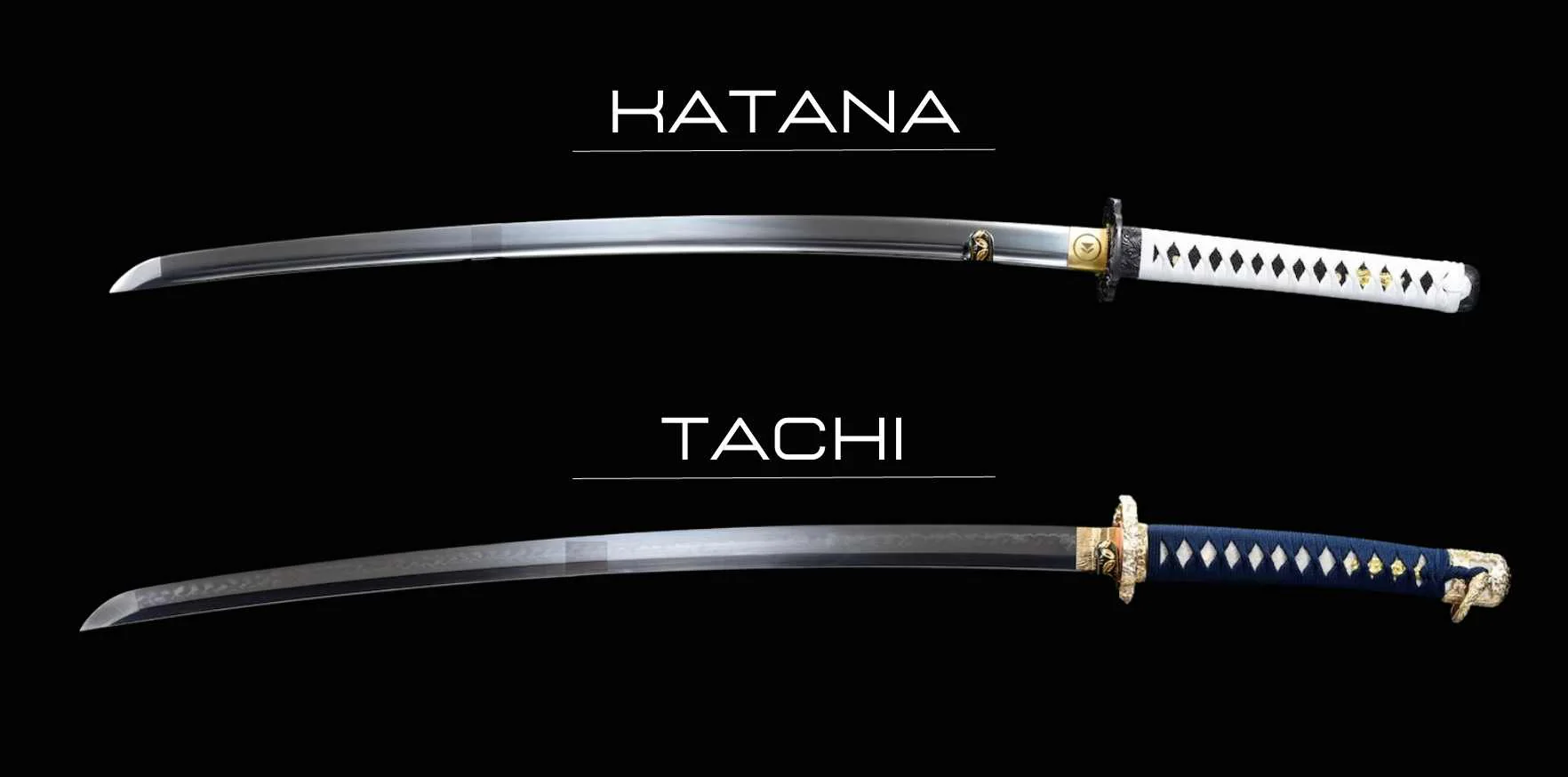
The samurai swords that were designed later, were worn with the cutting edge facing upward, unlike the tachi. Because of this design, samurai riding horses were able to quickly and efficiently draw swords.
The Tachi represents a breakthrough in sword design in Japan because it combined a number of battlefield practical and aesthetic elements.
The elegant aesthetics of a Tachi sword is exemplified by the curve of its blade. Not only does the curve enhance the beauty of the sword, but it provides a clever design for fighting from horseback. A warrior can use the curve of the blade to maintain control of the sword while delivering a powerful cut from the back of a horse.
A sword is made up of a number of functional components that include the blade, a hilt, a guard and a series of decorative fittings. The swordsmith’s craftsmanship is demonstrated in each component.
Japanese swordsmiths developed the skills to create strong and flexible sword blades by using a complex forging technique that involved heating, folding and shaping a piece of steel.
The creation of a Tachi sword involved a lengthy and skilled practice of Tachi craftsmanship that combined a number of technical skills with the element of design.
Tachi craftsmanship involves the swordsmith’s control of the quality of the metal used in the blade as well as the shaping techniques, each of which contributed to the famous wave patterns that hamon blades are known for.
The blades of the Tachi, like the scabbards and sword fittings, were decorated with designs of intricate arts of nature, and may incorporate family emblems or patterns.
The Influence of Tachi on Samurai Lifestyle
Tachi swords were directly impacted by the samurai lifestyle and culture. During the initial phases of the samurai culture, having a sword was not merely a means of fighting for a samurai, it was a representation of the samurai’s social standing, responsibility and of the samurai’s will to stay disciplined.
Samurai had a perception that their swords were an extension of their identity and honor. A well-crafted sword that was used by a samurai was often inherited by the samurai’s descendants, and over time, it became a family heirloom with history.
Samurai had a perception that there existed a bond between a sword and a samurai’s spirit, values and honor.
The Transition from Tachi to Katana
Sword usage evolved as Japanese warfare tactics and strategies evolved. During later periods, especially the significant Muromachi Period (1336–1573), katana swords became more widely used by samurai.
The difference that existed between the katana and the tachi was in the manner by which each sword was used and how they were worn. The tachi sword was designed to be used in combat while a samurai was on top of a horse, whereas a katana was designed to be used in combat while a samurai was on foot.
While the katana design became the main design and paradigm representative of the samurai, tachi swords remained highly respected and valuable for their design and history.
The Cultural Impact of Tachi Today
Even today, tachi swords remain important in Japanese culture. Many well-preserved tachi swords are considered to be national treasures because of how important they are in history and how good the craftsmanship is.
Many museums and sword collectors study tachi swords because they have so many important keys to studying history, especially Japanese history, metallurgy and art. Many modern sword fans love the tachi for its art and craftsmanship as well as for its historical importance.
The tachi has impacted Japanese martial arts, historical studies, and mass media. From these evolved traditions, samurai-inspired literature, film, and art continue to thrive.
Legacy of the Tachi
The tachi’s continued appeal stems from its ability to capture numerous ideas, such as technology, art, history, and the determination of people. The tachi exemplifies the ability of practical items to become cultural artifacts of lasting significance.
The narrative of the tachi conveys the ideas of the calmness and the perseverance, and the refinement of the little details. The tachi tells of the importance of the preservation of a legacy for future generations.
From museums to ancient battlefields, the tachi serves as a prominent artifact for the legacy of the samurai as well as a testament to the craftsmanship of one of the world’s most celebrated swords.