

Introduction
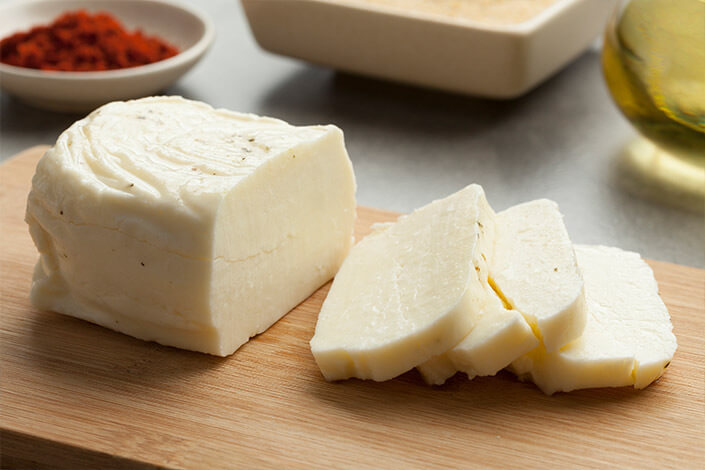
Cheese lovers around the world are always searching for unique flavors and textures, and hellim cheese has become one of the most popular choices among food enthusiasts. Known for its firm texture, salty flavor, and ability to hold its shape when cooked, hellim offers a completely different experience compared to traditional soft cheeses.
- Introduction
- The History and Origin of hellim Cheese
- What Does hellim Cheese Taste Like?
- Nutritional Benefits of hellim Cheese
- Popular Ways to Use Hellim Cheese
- 1. Grilled Halloumi
- 2. Halloumi Salads
- 3. Halloumi Sandwiches and Wraps
- 4. Breakfast Dishes
- 5. Vegetarian Recipes
- How to Cook Hellim Cheese Properly
- Why Is Halloumi Cheese So Popular?
- Conclusion
Originally from the Mediterranean region, hellim cheese has gained global popularity because of its versatility. It can be grilled, fried, baked, or enjoyed fresh, making it a favorite ingredient in salads, sandwiches, appetizers, and creative recipes.
This complete guide explores the history, taste, nutrition, uses, and cooking ideas of hellim cheese.
What Is hellim Cheese?
hellim cheese is a semi-hard cheese traditionally made from a mixture of sheep’s milk and goat’s milk, although some modern versions also include cow’s milk. It is known for its high melting point, which allows it to be heated without completely melting.
This unique quality makes hellim different from many other cheeses. Instead of becoming soft and runny when exposed to heat, hellim develops a golden crust while maintaining a firm and chewy texture.
The cheese is usually white in color, with a layered texture and a slightly salty taste. It is commonly stored in brine, which helps preserve its flavor and freshness.
The History and Origin of hellim Cheese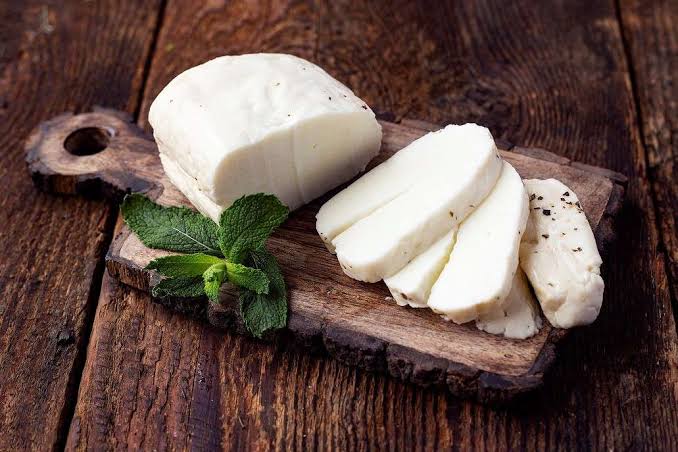
hellim cheese has deep roots in Mediterranean food culture, especially in Cyprus, where it has been produced for centuries. The traditional methods of making halloumi have been passed down through generations.
Historically, halloumi was valued because it could be stored for longer periods, making it an important food source in warm climates. The cheese became popular among farmers and local communities because it was nutritious, practical, and easy to preserve.
Today, hellim cheese is enjoyed worldwide and has become a symbol of Mediterranean cuisine.
What Does hellim Cheese Taste Like?
The flavor of hellim cheese is one of the reasons behind its growing popularity. It has a mild yet distinctive taste with a slightly salty and tangy flavor.
Its texture is often described as:
-
Firm
-
Chewy
-
Slightly springy
-
Smooth when cooked
When grilled or fried, halloumi develops a crispy golden exterior while keeping its soft and satisfying interior. This combination of textures makes it a favorite among cheese lovers.
Nutritional Benefits of hellim Cheese
Hellim cheese provides several important nutrients, making it a valuable addition to a balanced diet.
It contains:
Protein
Halloumi is a good source of protein, which supports muscle health and helps maintain energy levels.
Calcium
Like many dairy products, halloumi provides calcium, which is important for maintaining strong bones and teeth.
Essential Nutrients
Halloumi also contains nutrients such as phosphorus and vitamin B12, which contribute to overall health.
However, because halloumi is traditionally preserved in salt water, it can have a higher sodium content. People monitoring their salt intake should enjoy it in moderation.
Popular Ways to Use Hellim Cheese
One of the best things about hellim cheese is its versatility in cooking. It can be used in many dishes, from simple snacks to complete meals.
1. Grilled Halloumi
Grilling is one of the most popular ways to prepare halloumi. The heat creates beautiful grill marks and enhances the cheese’s flavor while keeping its firm texture.
Grilled halloumi can be served with vegetables, salads, or fresh herbs.
2. Halloumi Salads
Adding grilled or fresh halloumi to salads creates a delicious combination of flavors. It pairs well with ingredients like tomatoes, cucumbers, olives, and leafy greens.
3. Halloumi Sandwiches and Wraps
Halloumi works wonderfully as a filling for sandwiches and wraps. Its firm texture makes it a satisfying alternative to traditional fillings.
4. Breakfast Dishes
Halloumi can be included in breakfast recipes with eggs, vegetables, toast, or avocado for a flavorful start to the day.
5. Vegetarian Recipes
Because of its texture and high protein content, halloumi is often used in vegetarian meals as a flavorful ingredient.
How to Cook Hellim Cheese Properly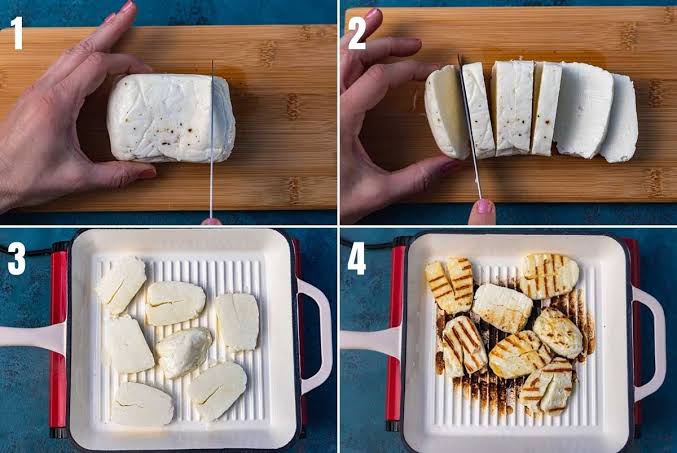
Cooking halloumi is simple, but a few tips can improve the final result.
-
Slice the cheese into even pieces before cooking
-
Avoid adding too much salt because halloumi is naturally salty
-
Cook over medium-high heat until golden brown
-
Serve immediately for the best texture
Popular cooking methods include:
-
Grilling
-
Pan-frying
-
Baking
-
Air frying
Each method creates a slightly different texture while maintaining the cheese’s unique characteristics.
Why Is Halloumi Cheese So Popular?
The popularity of hellim cheese comes from its combination of taste, versatility, and unique cooking properties.
Unlike many cheeses, halloumi can be cooked at high temperatures without losing its structure. This makes it ideal for people who enjoy experimenting with different recipes.
Its Mediterranean origins, delicious flavor, and wide range of uses have helped halloumi become a favorite ingredient in restaurants and home kitchens around the world.
Conclusion
Hellim cheese is more than just a traditional Mediterranean cheese; it is a versatile ingredient that brings unique flavor and texture to countless dishes. With its firm structure, salty taste, and ability to be grilled or fried, halloumi offers a memorable culinary experience.
Whether added to salads, sandwiches, vegetarian meals, or enjoyed on its own, hellim cheese continues to win the hearts of food lovers everywhere. Its rich history and modern popularity make it a timeless cheese that deserves a place in every kitchen.