
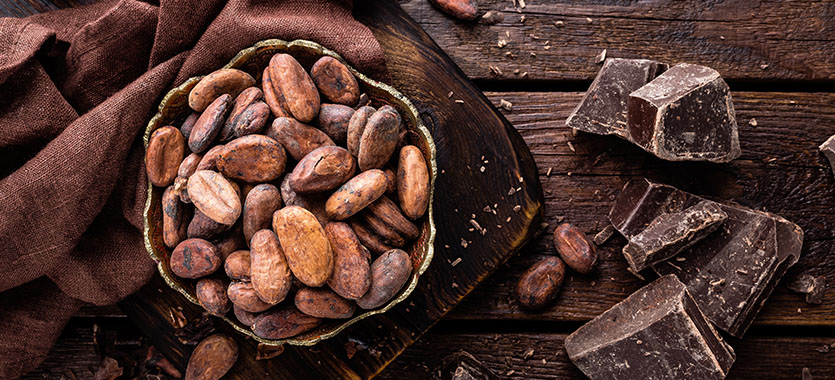

Introduction to the Cocao
Ever stood in the baking aisle, squinting at two similar-looking bags, wondering if “cocao” and “cocoa” are just the same thing spelled two different ways? You’re not the only one. These words get swapped around constantly, yet they point to products that are surprisingly different once you dig in. Let’s clear up the confusion for good.
First, a Quick Word on Spelling
You’ll often see “cocao” used when people really mean cacao. It’s one of those spellings that slips into everyday writing thanks to how similar everything sounds. So when we talk about cocao here, we’re talking about the raw, minimally processed form of the bean. Cocoa, on the other hand, is the processed cousin most of us grew up with.
Both come from the very same source: the seeds of the Theobroma cacao tree. Where they part ways is what happens after harvest.
What Is Cocao?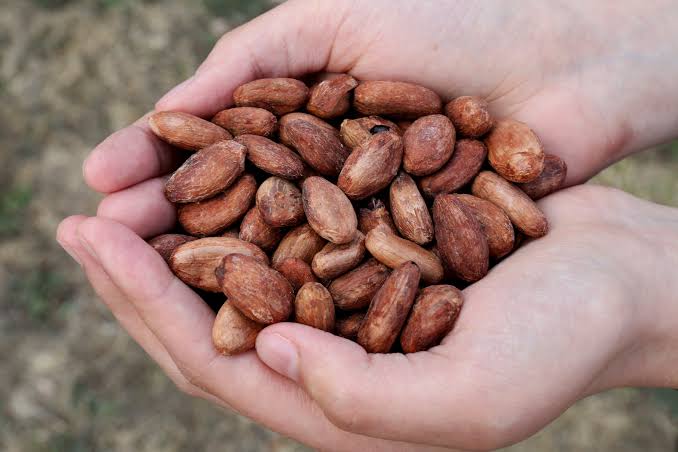
Cocao refers to the raw, or near-raw, version of the cacao bean. After the pods are harvested, the beans are fermented and dried, then processed at low temperatures to keep as much of their natural goodness intact.
Because it skips the high-heat treatment, cocao holds onto more of its original character. Think of it as the bean in its most honest state. It’s often sold as raw cacao powder, nibs, or paste.
The flavor? Bold, slightly bitter, and deeply earthy. It doesn’t have the mellow sweetness people expect from chocolate, and that surprises a lot of first-timers.
What Is Cocoa?
Cocoa is what you get when those same beans are roasted at higher temperatures. That heat changes everything, from the taste to the texture to the nutritional makeup.
Roasting softens the bitterness and brings out that warm, familiar chocolate aroma we all know. Regular cocoa powder is the result, and it comes in two main types:
- Natural cocoa — light in color, more acidic, with a sharper bite
- Dutch-processed cocoa — treated with an alkali to smooth out acidity and deepen the color
The trade-off is simple. You gain that comforting, classic chocolate flavor, but you lose some of the delicate nutrients that heat tends to break down.
The Key Differences at a Glance
Here’s how the two stack up side by side:
|
What We’re Comparing |
Cocao (Raw) |
Cocoa (Processed) |
|---|---|---|
|
Processing |
Low heat, minimal |
Roasted at high heat |
|
Flavor |
Bitter, earthy, intense |
Milder, sweeter, classic |
|
Nutrients |
Higher antioxidants and minerals |
Reduced by heat |
|
Best for |
Smoothies, raw treats |
Baking, hot drinks |
|
Price |
Usually higher |
More budget-friendly |
Seeing it laid out like this makes the choice a lot clearer. It really comes down to what you’re after: nutrition and intensity, or comfort and convenience.
Nutrition: Does Cocao Really Win?
In terms of raw numbers, cocao tends to come out ahead. Since it skips the heavy roasting, it keeps more of its antioxidants, magnesium, iron, and fiber. Those flavanols, the compounds linked to heart and brain benefits, are more abundant when the bean isn’t cooked to high heat.
That said, don’t write off cocoa entirely. It still carries plenty of good stuff, just in slightly smaller amounts. And honestly, for most people, the difference in daily life is modest. If you eat chocolate for joy first and health second, you’re in good company.
Flavor and How Each One Tastes
This is where personal taste steps in. Cocao delivers a punchy, almost wine-like bitterness that pairs beautifully with fruit and nuts. Some people love it; others find it a little much on its own.
Cocoa is the crowd-pleaser. It’s smooth, cozy, and instantly recognizable in a warm mug or a fresh batch of brownies. There’s a reason it’s been a kitchen staple for generations.
When to Use Each One
The logic here is simple, but it makes a real difference in your results.
Reach for cocao when you want a nutritional boost or a bold, raw flavor. It shines in smoothies, energy balls, overnight oats, and no-bake desserts where heat won’t destroy its perks.
Grab cocoa for anything baked or heated. Cakes, cookies, hot chocolate, and frostings all benefit from its mellow, familiar taste. It also blends more smoothly and won’t overpower a recipe.
The Bottom Line
So, cocao versus cocoa? Neither is truly “better,” they’re just built for different jobs. Cocao keeps things raw, intense, and nutrient-rich. Cocoa brings the smooth, roasted comfort we associate with classic chocolate.
Keep both in your pantry if you can. That way, whether you’re whipping up a healthy smoothie or baking a gooey treat, you’ll always grab the right one. Your taste buds, and your recipes, will thank you.
Curious about cocao vs cocoa? Cocao is the raw, nutrient-packed bean, while cocoa is roasted for that classic chocolate taste. Learn which one you need!