
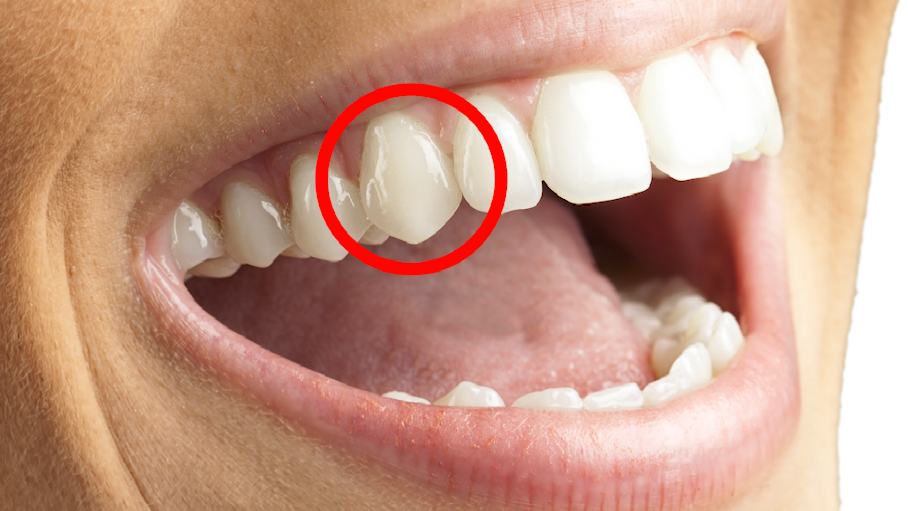

Explained Canine Teeth
Courageously positioned between both incisors and premolars are canine teeth. They have a history dating back thousands of years. They’re not large, but serve a huge purpose balancing the need to cut and grind. This aids in the process of survival and serves the function of adaptation. Canine teeth serve the same purpose in humans and also lions, wolves, and even pet dogs. Canine teeth have an evolutionary history that is written in enamel.
This article will help you understand canine teeth and their importance. We will also look at canine-teeth across various species. The role of canine teeth was not limited to evolutionary functions. We will discuss how they have interesting functions in our daily lives.
What Are Canine Teeth?
Canine teeth, also referred to as “cuspids” or “eye teeth”, are the pointed teeth that lie next to the incisors within both the upper and lower jaws. In Humans, these four canines consist of the two canines on the upper and the two lower canines. These canines lie below the eyes and thus, can also be referred to as the “eye teeth”.
Canines are different from incisors and molars. While incisors are flat and used for cutting, and molars are broad and used for grinding, canines are sharp and pointed. Canine-teeth are nature’s “anchoring tools” that help stabilize food before it is broken down by other teeth.
The Function of Canine Teeth in Humans
While we are not predatory carnivores, it is not an exaggeration to say that traces of our ancestors whose staple diet was composed of meat are present in our evolutionary line. Unlike predator mammals’ canines, human canines are smaller but they are not completely useless.
They have three main functions.
They assist in:
The tearing of food, especially meat
The guiding of jaw movements during chewing
The supporting of facial structures
All three functions are affected by the size of the canine teeth.
Our mixed diet has caused our canines to be smaller and less prominent.
Canine Teeth in Animals
Canine teeth are a lot more pronounced in animals. In the majority of the animal kingdom, they are sharp, long, and are a major factor to survival.
Predators (Tigers, Wolves, and Lions)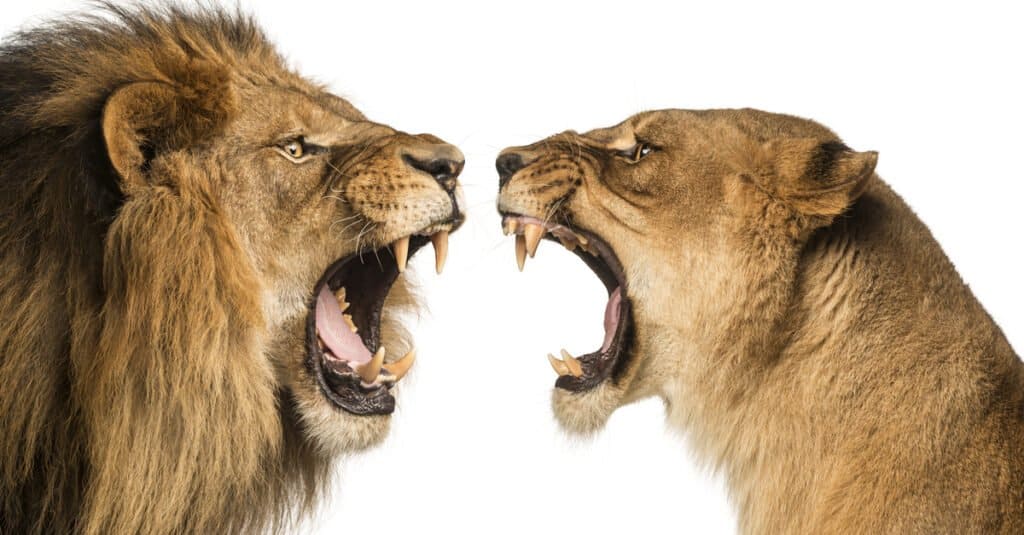
In predatory mammals, they play a major role in their ability to hunt and serve to:
Hold their prey
Deliver a fatal bite to their prey
Efficiently shred their prey
In the case of a lion, their canines are specially designed to serve as a power weapon.
Omnivores (Pigs, Dogs, and Bears)
In eating mammals that have a more flexible diet, they serve a wider variety of functions.
Eating meat
Digging and rooting
Defense and territorial functions
Herbivores
Canine-teeth can even be found in tooth diet mammals. In most of them, they are small and serve social functions.
The Evolution of Canine Teeth
The changes in our canine-teeth can tell us a lot about our dietary changes. Our early ancestors had large canines like most modern primates because of their inadequate diets. With the development of cooking, tool making, and agriculture, the need for canines adapted for tearing food away diminished.
Therefore, our canines became smaller, and less aggressive in appearance, and more integrated with the rest of our teeth.
This change shows the fascinating and wonderful truth that our teeth tell the story and the history of our past.
Typical Canine Teeth Problems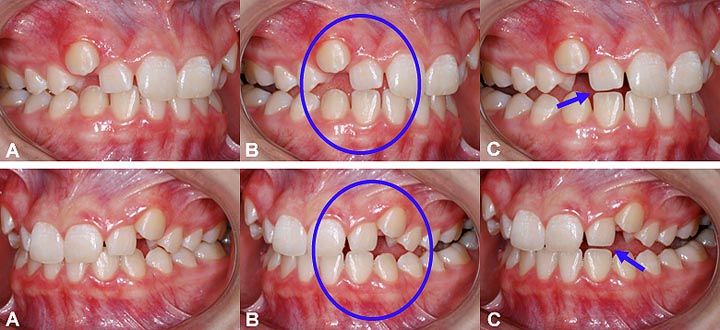
Similar to all other teeth, canines can also be subject to problems. Here are some of the common problems:
· Canine Tooth Impaction: when the canine does not come through fully.
· Misalignment: Canine-teeth that are crooked, rotated, or in an improper position.
· Wear and Tear: Canines that are worn down due to the improper amount of biting force or grinding.
Canines are also subject to gum diseases like Periodontitis.
Because of the position of the canines, they are the most significant teeth to maintaining a balanced bite.
The Importance Of Canine Teeth
Canine teeth are very important and play a functional role in a balanced bite because they act as a guide and help evenly distribute the force when biting.
Teeth canines also play an aesthetic role because they affect the curvature of a smile and the symmetry of the face.
Canine Teeth, Functional and Significant
Even though canine teeth are small and not very large or noticeable when we speak, they are important and play a functional role in gripping and tearing food and give us an insight into our evolutionary past.
In animals, canines are weapons used on the battlefield of survival. For humans, they remind us of our ancestral origins—modified, tamed, but integral.
Studying canine teeth is like unearthing a small, yet significant, fragment of history that tells us more about the essence of life.