

Introdcution
Throughout history, simple meals have often become the foundation of great culinary traditions. One such timeless dish is pottage, a humble yet meaningful food that has been enjoyed by generations across different cultures. Made by slowly cooking grains, vegetables, legumes, and other ingredients in liquid, pottage represents comfort, nourishment, and resourceful cooking.
Although it may seem simple, pottege has a fascinating history and has played an important role in traditional diets around the world. From medieval kitchens to modern interpretations, this dish continues to remind us that delicious food does not always require complicated ingredients.
What Is Pottage?
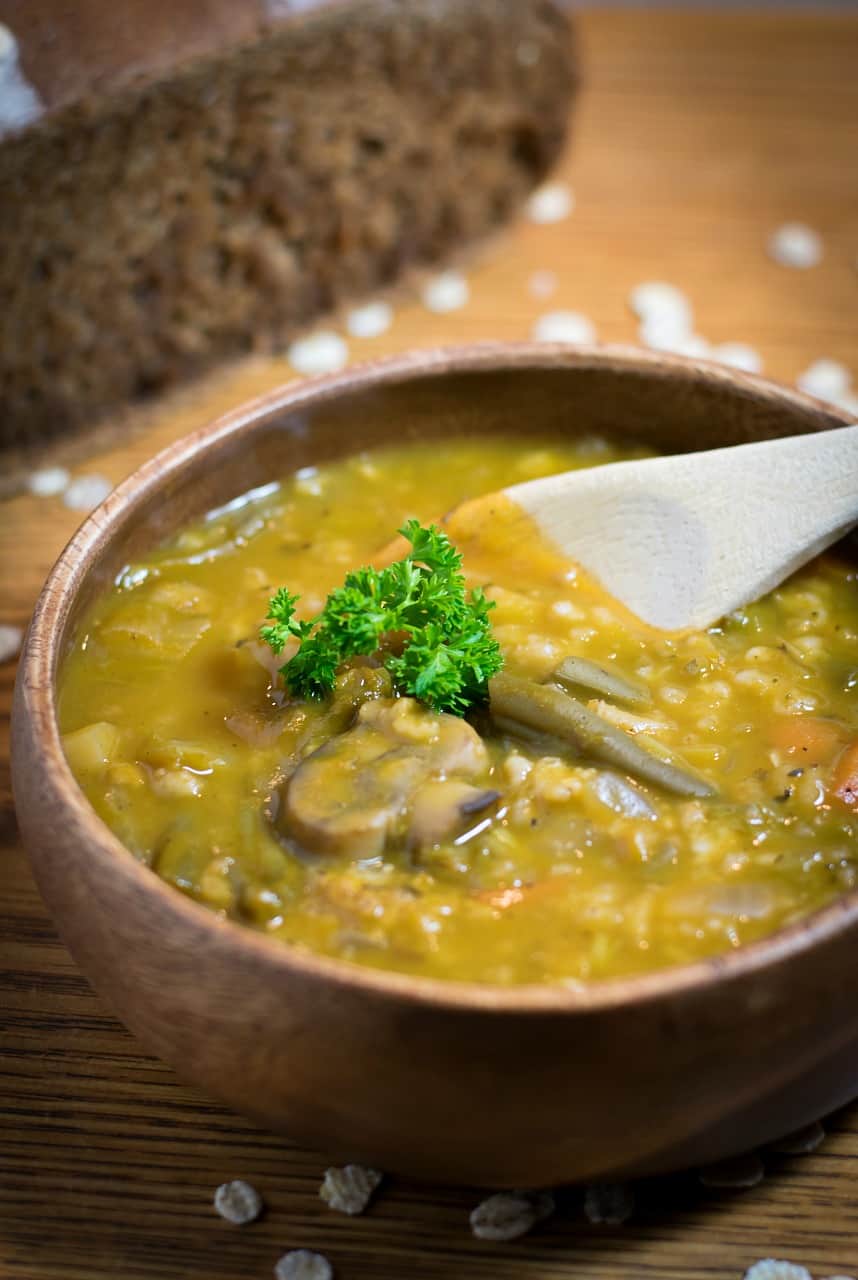
Pottage is a thick soup or stew made by simmering various ingredients together until they create a rich and hearty consistency. Unlike clear soups, pottege is usually thicker because it often contains grains, vegetables, pulses, or other filling ingredients.
The dish has traditionally been prepared using locally available foods, which means recipes vary widely depending on region, season, and culture.
Common ingredients found in pottege include:
-
Grains such as barley, oats, or wheat
-
Lentils and beans
-
Vegetables like onions, carrots, and leafy greens
-
Herbs and spices
-
Meat or fish in some versions
Because of its flexibility, pottege has remained popular among different communities for centuries.
The History of Pottage
The history of pottage dates back thousands of years. Early civilizations relied on simple cooked mixtures of grains and vegetables because they were affordable, nutritious, and easy to prepare.
In medieval Europe, pottage was a major part of everyday meals, especially among farming communities. It was often cooked in a large pot over a fire and shared among family members. Since ingredients were inexpensive and easily available, pottege became an essential food for many households.
During these times, different social classes enjoyed different versions of pottege. Wealthier families could include meat, spices, and richer ingredients, while simpler versions made with grains and vegetables were common among ordinary people.
Traditional Ingredients Used in Pottage
One of the reasons pottage has survived for generations is its adaptability. The ingredients can change based on availability and personal preference.
Grains
Grains have historically been a key ingredient in many pottege recipes. Barley, oats, and wheat provide energy and create a thicker texture.
Vegetables
Fresh vegetables add flavor, nutrients, and variety. Common choices include:
-
Carrots
-
Leeks
-
Cabbage
-
Peas
-
Onions
Legumes
Beans, lentils, and peas are often used because they provide protein and make the dish more filling.
Herbs and Seasonings
Traditional herbs such as thyme, parsley, and rosemary can enhance the flavor. Simple seasonings allow the natural taste of ingredients to shine.
Meat and Fish
Some regional versions include meat, poultry, or fish to create a richer and more substantial meal.
Popular Varieties of Pottage
Because pottege has been prepared in many cultures, numerous varieties have developed over time.
Medieval pottege
Medieval European pottege was commonly made with grains, vegetables, herbs, and sometimes meat. It was a daily meal that provided warmth and nourishment.
Vegetable Pottage
A vegetable-based pottege focuses on seasonal produce. It is often lighter but still provides a comforting and satisfying meal.
Lentil Pottage
Lentil pottege is popular because lentils create a thick texture and provide valuable nutrients. It remains a common dish in many regions today.
Bean Pottage
Bean-based versions are rich, hearty, and filling. They are especially popular in traditional cuisines where legumes are an important food source.
How to Make Traditional Pottage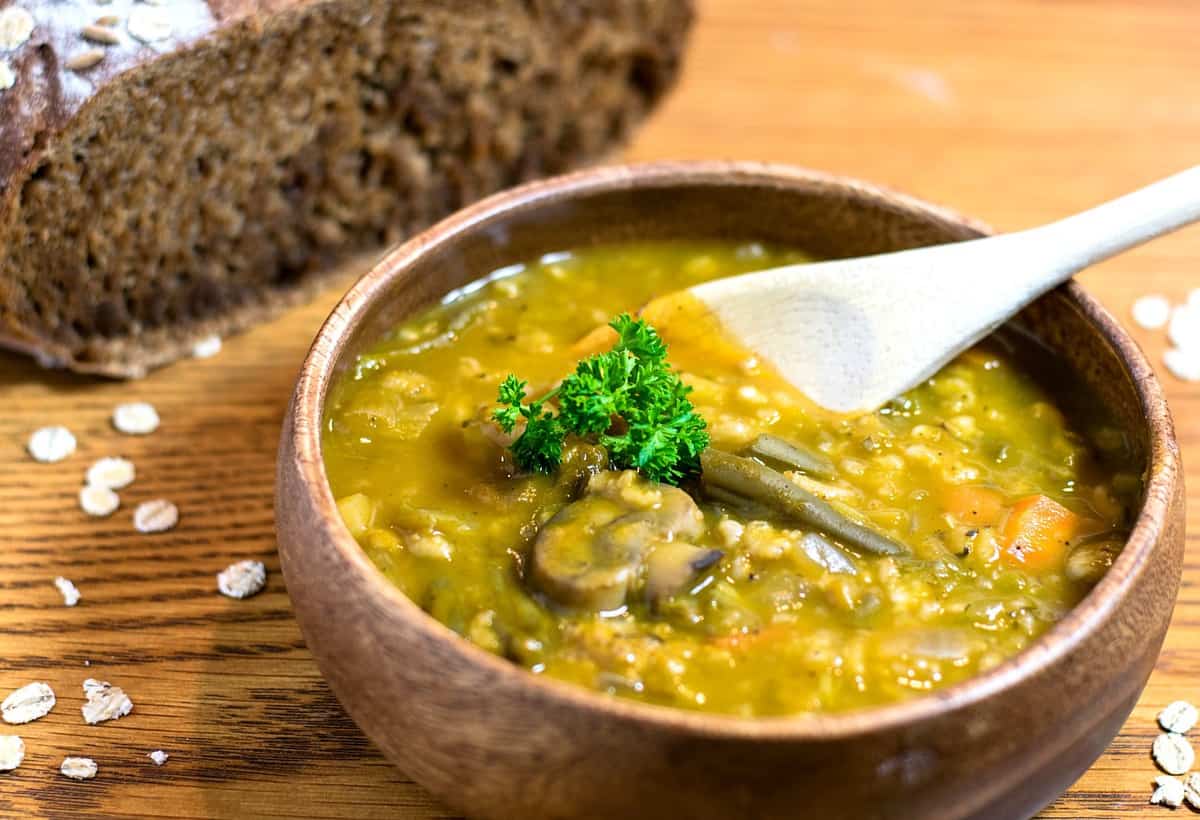
Preparing pottage is simple and does not require advanced cooking skills.
A basic method includes:
-
Preparing vegetables, grains, or legumes.
-
Cooking ingredients slowly in water or broth.
-
Adding herbs and seasonings for flavor.
-
Simmering until the mixture becomes thick and comforting.
-
Adjusting the texture according to personal preference.
The slow cooking process allows flavors to combine naturally, creating a warm and satisfying dish.
Why Pottage Remains Popular Today
Although modern cuisine offers countless options, pottege continues to attract attention because of its simplicity and versatility.
Some reasons people still enjoy pottage include:
Affordable and Accessible
Pottage can be made with basic ingredients, making it an economical meal choice.
Nutritious
Depending on the ingredients used, pottege can provide fiber, vitamins, minerals, and plant-based protein.
Comforting Flavor
The warm, thick texture makes pottege an ideal comfort food, especially during colder seasons.
Customizable Recipes
Cooks can easily modify pottage recipes based on dietary needs, available ingredients, and personal taste.
Modern Uses of Pottage
Today, chefs and home cooks continue to reinvent pottege by combining traditional techniques with modern flavors.
Contemporary versions may include:
-
Vegetarian and vegan options
-
International spices
-
Superfood ingredients
-
Gourmet restaurant variations
These modern adaptations help keep the traditional dish relevant for new generations.
Conclusion
Pottage is more than just a simple meal; it is a reflection of history, culture, and practical cooking traditions. For centuries, people have relied on this nourishing dish because it is affordable, adaptable, and comforting.
From ancient kitchens to modern dining tables, pottege continues to prove that some of the best foods come from simple ingredients prepared with care. Its rich history and endless varieties ensure that this traditional dish will remain appreciated for generations to come.