

Introduction
The live entertainment world has precise timing of every effect to execute in perfect symphony, whether it be in concerts, theater, theme park, or corporate productions. This is where midi show control is vital.
Midi show control is a communication system made to link varying technical systems to a live production. Lighting boards, sound reinforcement, video servers, and stage motion all have the capability to be linked to systems that work in a command structure.
What Is MIDI Show Control?
MIDI Show Control is an extension of the MIDI (Musical Instrument Digital Interface) system. Standard MIDI is primarily for music systems. However, MSC is narrowly focused to control stage and show systems.
MSC is the “language” of the systems to communication in a production. For example, a lighting cue can be executed while a sound effect is played and props are moved simultaneously along with the playback of a video.
This is why it is so critical to a live production.
How MIDI Show Control Works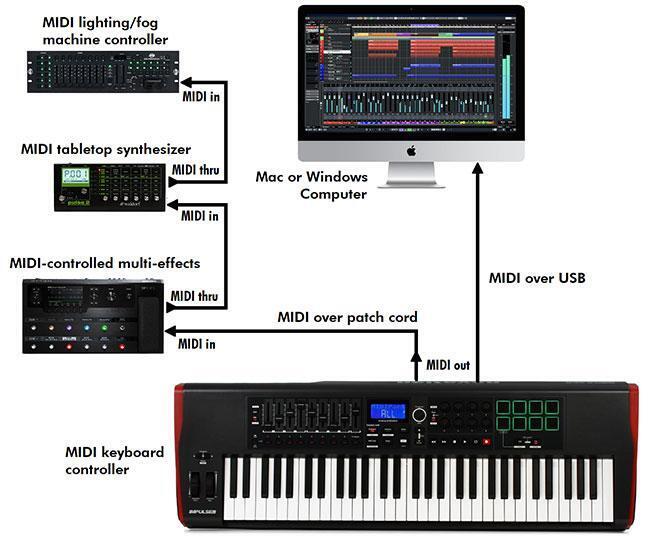
The principle behind midi show control involves sending organized instructions between devices. Such instructions inform devices on what actions to perform and the appropriate timing.
Generally, a midi-show-control system comprises:
A master controller: A lighting console or a show control program
Slave devices: Lights, sound, video, and pyrotechnic devices and systems
A network for transmitting midi show control commands
Upon triggering a cue, the master controller sends a specific midi show control command to the slave devices. The slave devices receive the command and execute the action.
For illustration, the cue commands listed below would yield the actions in the command.
Cue 10 → Dim the lights to a 50% level
Cue 11 → Play the background music
Cue 12 → Move the stage
This method of control is synchronized and automates show commands, therefore, improving the accuracy of actions and the overall quality of the show.
Key Features of MIDI Show Control
The primary reason midi-show-control is favored by many is its numerous reliable and integrated control features in live shows. Some features include:
1. Real-time Control
All devices can be instantly controlled.
2. Comprehensive System Integration
Automation of the sound, light, video, and all other control subsystems is possible.
3. Global Standard Communication
Since midi show control is a global standard, communication is possible regardless of the equipment brand.
4. Cue Control
Complex actions can be easily controlled and repeated as a function of cues.
Applications of MIDI Show Control
Midi show control is widely utilized in the entertainment world.
The MIDI Show Control (MSC) Acting as system to coordinate stage lighting, audio, and the movement of parts of the stage.
Concerts and Live Music Events
MSC works to time the lighting, audio playback, and other effects in large concerts.
Theme Parks and Attractions
Theme Parks use MSC to time and automate ride and show experiences.
Corporate Events and Exhibitions
MSC is used to time and synchronize multimedia presentations to create an exhibit and a product launch that is polished and professional.
Benefits of MIDI Show Control
For productions, the midi show control:
Minimizes the need to manually coordinate
Fosters and improves consistency and timing
Optimizes the use of time during rehearsals and
Saves time during setup
Seamless effects build an engaging experience for the audience
Elaborate automation sequences are now possible
MSC takes care of timing, giving the production the time and space to bring forth their ideas and creativity.
Limitations of MIDI Show Control
Some of the limitations of MSC include:
Specialized set up and equipment
Programming MSC can be very complex
System will be very configurable
For advanced control, additional software might be required
In professional environments, the limitations of MSC are dwarfed by the benefits.
Conclusion
Theatre especially live entertainment has benefitted from the large strides made in automated lighting, sound, video and stage machinery with the MSC. From the automation of stage machinery in theatrical productions, MSC has made timing automation in large concerts and theme park machinery and show experiences possible. The continued advances in live automated production will drive MSC use for the timely and professional automation of stage machinery.