

Introduction to Malaya Dollars
Found a stack of old banknotes with a king’s portrait and the word “Malaya Dollars” printed across them? You’re holding a piece of history. A malaya dollar isn’t something you can spend at the corner shop anymore, but that doesn’t mean it’s worthless. Far from it. With the right approach, these old notes can turn into real cash. Let’s walk through how to exchange them the smart way.
What Is a Malaya Dollar?
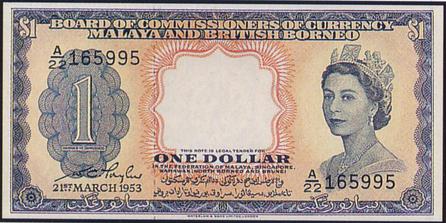
The malaya dollar was the official currency used across British Malaya Dollars and nearby territories during the colonial era. Issued by the Board of Commissioners of Currency, Malaya, these notes circulated through places like Singapore, Sarawak, and North Borneo.
Many of the surviving notes feature King George VI, which helps date them to the 1940s. They came in various denominations, from small cents to larger dollar values. Each carried the design language and authority of its time.
Today, these notes live on mostly in collections, drawers, and inherited keepsakes. And that’s exactly where their modern story begins.
Why They’re No Longer Legal Tender
Here’s the short version: currencies change, and old ones get retired.
As territories gained independence and new monetary systems replaced colonial ones, the malaya dollar was gradually demonetized. That means you can no longer walk into a bank and swap it for its face value. The note stopped being “money” in the everyday sense.
But something interesting happened along the way. Once a currency stops being legal tender, its value shifts from face value to collector value. Scarcity, age, and history take over. In many cases, that makes an old note worth far more than it ever was in circulation.
Where to Exchange or Sell Malaya Dollars
Since banks won’t help you here, you’ll need to reach the people who actually want these notes. Good news: there are more of them than you’d think.
- Currency dealers — Specialists who buy and sell historical money. They know the market and can quote you a realistic figure fast.
- Numismatic shops — Coin and note collectors’ stores often deal in colonial-era currency and can appraise on the spot.
- Online marketplaces — Sites like eBay or dedicated collector platforms open you up to buyers worldwide, which usually means better prices.
- Auction houses — Best reserved for rare or high-grade notes, where competitive bidding can seriously drive up the final sale.
My advice? Don’t jump at the first offer. Gather a few quotes and compare. The difference between buyers can be surprisingly wide.
How to Assess Condition and Rarity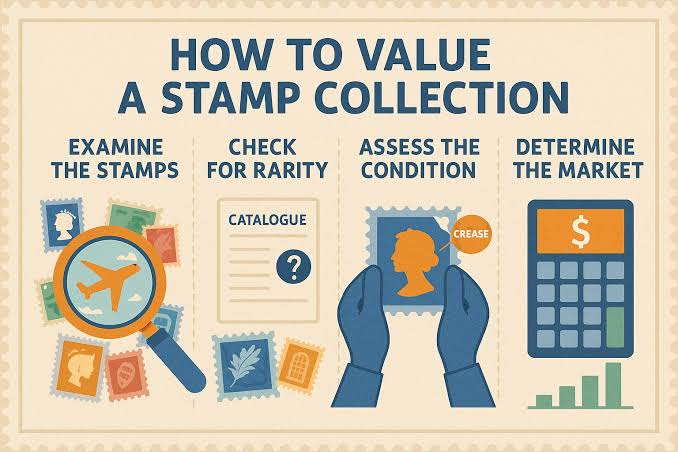
Before you sell, you need to understand what you actually have. Two things matter most: condition and rarity.
Condition
Collectors are obsessive about condition, and for good reason. A crisp, uncirculated malaya dollar can be worth many times more than a worn, creased one.
Look closely at your note. Are there folds, tears, stains, or pinholes? Is the paper still firm, or soft and limp? Even the sharpness of the corners counts. Whatever you do, resist the urge to “fix” it. Never iron, tape, or wash a note. Cleaning almost always destroys value rather than restoring it.
Rarity
Some denominations and print years are far scarcer than others. A common note might fetch a modest sum, while a rare variant can command serious money.
Check the serial numbers, signatures, and printing details. Then compare your note against recent sales of similar pieces. A quick search through completed auction listings gives you a solid sense of where yours sits.
Tips for Getting the Best Value
Want to squeeze out top dollar? A little effort goes a long way.
Get a professional appraisal if you suspect your note is rare. A grading service or trusted dealer gives you a credible baseline that protects you from lowball offers.
Do your homework on recent sale prices. Knowledge is leverage. When a buyer sees you know the market, the games tend to stop.
Time your sale when possible. Collector demand rises and falls, and patience sometimes pays.
How to Avoid Scams
Where there’s value, there are opportunists. Stay sharp.
Be wary of anyone pressuring you to sell quickly or refusing to explain their pricing. Stick to dealers with verifiable reviews and a real track record. If you’re shipping notes, always use tracked, insured delivery. And trust your instincts. If a deal feels off, walk away.
Final Thoughts
Your old malaya dollar is more than faded paper. It’s a small artifact from a fascinating chapter of history, and with the right steps, it can pay you back nicely. Research, protect the note, and choose your buyer with care. Do that, and you’ll turn a forgotten keepsake into something genuinely rewarding.