
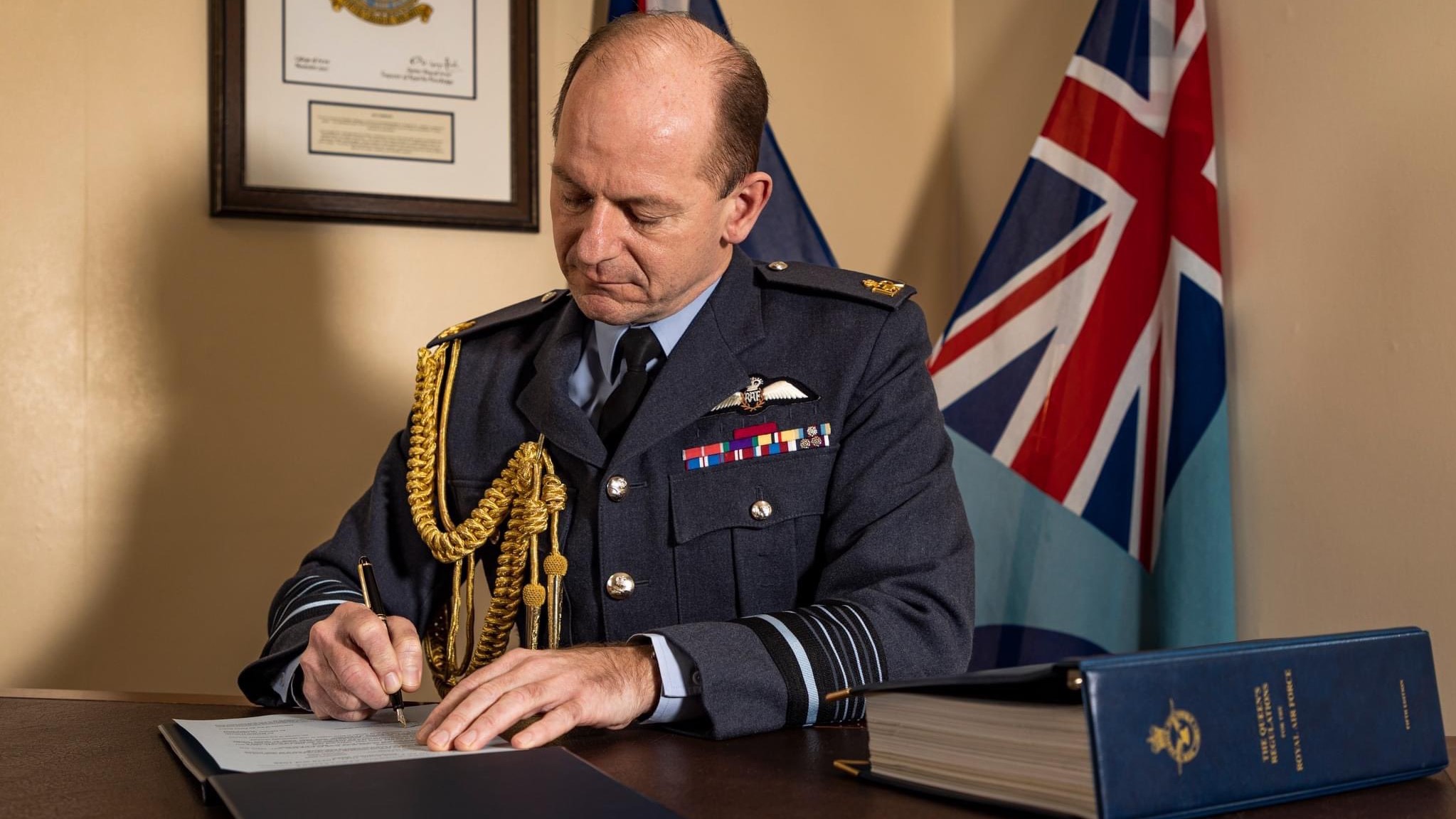

Introduction
The King’s Regulations are one of the primary rule sets for the UK armed forces. They provide a framework for the behavior of armed forces personnel, for the actions of the various arms of the armed forces, and for the maintenance of military discipline. From the outside, military life may seem to the untrained eye to be almost entirely rigid and structured. The King’s Regulations are the foundational framework for ensuring everything goes and remains ordered and equitable.
The King’s Regulations are a complete legal framework. They define the responsibilities of commissioned officers, the entitlements and protections of service personnel, and the legal framework and procedures for military discipline. They serve as the definitive answer to any question regarding military descent and the exercise of military authority.
The Purpose of King’s Regulations
The King’s Regulations exist primarily to provide framework for the exercise of military discipline, military uniformity, and military accountability. Military operations rely upon the highest degree of precision and complete uniformity of effort, and the consequences of even the most minor failure to conform can impact entire operations. The King’s Regulations create a framework for an integrated professional culture for everyone from the newest recruit to the most senior commissioned officer.
Fairness is also an important part. The military’s hierarchical structure means that the upper management of the military has some control over the commands and orders. King’s Regulations establish the boundaries of such control. They ensure that decisions concerning military personnel such as promotions and punishments are passed down through the hierarchy and are not the result of personal preference.
Historical Background
The King’s Regulations have their early beginnings centuries ago when the British military system was still evolving. King’s Regulations were created under order from the Crown to standardize the administration of the military. As the British military evolved, the regulations were modified to keep pace with the changes in the tactics of warfare and with the technologies of warfare.
Even in the present day, the King’s Regulations are modified consistently to reflect the changes in the British military. As long as the reigning monarch is a King or a Queen, the King’s Regulations will subsume the Crown’s authority over the British Armed Forces.
Structure and Coverage
The King’s Regulations are huge and exhaustive. They address essentially every part of a military personnel’s life from:
Military Conduct and Discipline
Administrative Procedures
Military Service Conditions
Court Martial Procedures
Military Reporting Procedures
Each of these sections is highly detailed as to eliminate possible ambiguity or uncertainty.
These regulations become especially important for military personnel during high pressure situations, as they can provide/guide order and control.
Importance in Military Discipline
This armed forces’ backbone is its discipline. King’s Regulations are integral in maintaining it. They help in ensuring the correct following of orders, as well as ensuring there are clear consequences for misconduct.
Discipline in this context is not just achieving punishment. This also encompasses the order, respect, and professionalism. Regulations help in developing a culture whereby people come to know the duties and functions they serve within a system.
Power of the Regulations
Services members also benefit. The regulations help in safeguarding services members. The regulations help in defining the boundaries of the discipline of services members, as well as help in the fair punishment of services members.
Modern Relevance
Even with a highly advanced technology military system, the King’s Regulations are still very important. Yes, modern warfare is fought with advanced technology, but it is warfighting at the end of the day, and discipline and decision making hold the same place.
The regulations have been updated to be in step with the other military laws and policies. The King’s Regulations have also been updated to be in step with modern defense policies and be in step with the advanced ethics and social development.
Conclusion
The King’s Regulations go beyond being a formal document. They are the infrastructure of order in the UK Armed Forces.
They also help in creating a controlled atmosphere where military operations can run smoothly by helping in defining authority, helping in the direction of conduct, and helping in the promotion of equity.
Whether a disciplinary guide or a legal framework, the importance of the King’s Regulations has not and will not change. They also bear the Armed Forces’ accountability, authority, tradition, and discipline. They help the Forces in functioning with respect and at every level, ensure precision.