

Introduction
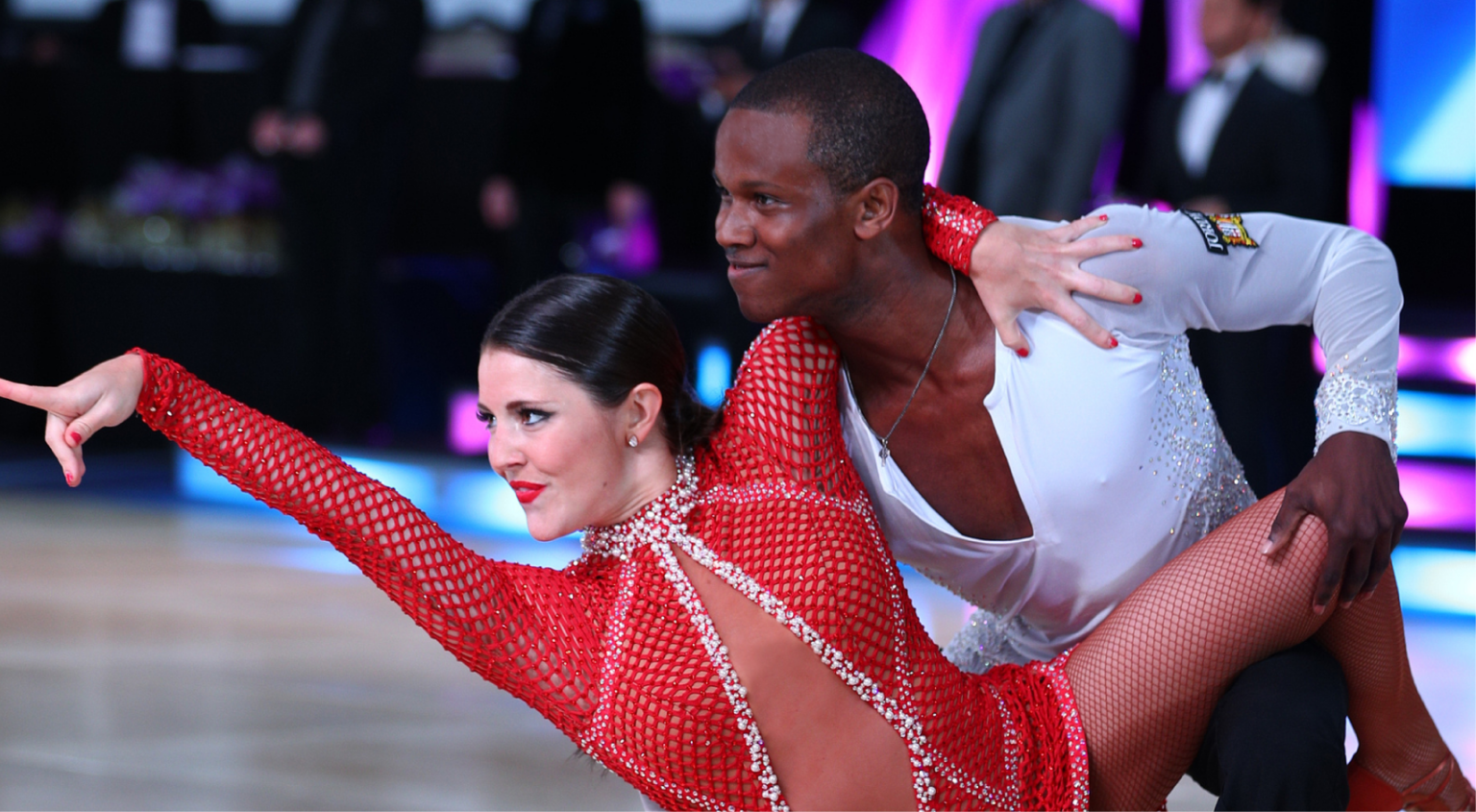
From the beginning, dance has always been a captivating method to express yourself through movement and music. For many cultures, dance consists of movement as part of a celebration, no more. Later on, dance evolved into an organized activity and finally became a sport, competitions included. From precise rhythms to technical skills and coordination, modern dancesport types provides many ways to express yourself creatively.
From performance quality to athletic ability, dancesport types is much more than social dance. Years of practice go into the many elegant (and some quite the opposite) dancesport styles. From elaborate ballroom choreography to Latin dancesport types filled with fast rhythms, each style has its own dance competitions.
With knowledge about the dedicated and disciplined artistry of each dancesport type, you may also learn about the many more competitive dance styles.
What Is Dancesport?
Dancesport is the athletic and expressive competitive art of dance. In dancesport types, individuals or couples execute structured choreography that follows a set of rules to be judged by a panel.
Judges assess:
Accuracy in technique
Rhythm and timing
Connection with partner
Interpretation of the music
Presence and style
Dancers can do much more than execute a series of known moves. In dancesport types, the ultimate goal is to express art through every step by invoking emotion.
Main Types of Dancesport
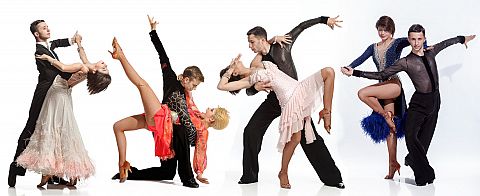
Dancesport types can be split into two large categories, Standard (Ballroom) and Latin American styles. Each of these categories has several individual dances.
The Standard Ballroom Dancesport Types
Standard dances are typically very elegant, have flowing movements, and require sophisticated leading and following skills. Dancers tend to stay in a closed position for most of the dance.
1. Waltz
Waltz is one of the most popular dancesport styles in the world. It is very flowing and is danced in a three-four time signature.
The dance focuses on:
Flowing movements
Elegant turns
Partnership
Footwork
The Waltz makes it seem like the dancers are floating across the dance floor.
2. Tango
Tango is an expressive style of dancesport types that originated in Argentina and Uruguay. It has a completely different feel than the flowing waltz, as tango has very sharp movements, strong poses, and a high level of connection between the partners.
Some of the main characteristics of tango are:
Exact foot placement
Interpretation of the music
Quick changes of movements
Strong expressions
Tango is one of the most fun dancesport styles with its many sharp movements and expressions.
3. Viennese Waltz
The Viennese Waltz is a very fast and energetic style of waltz danced in a competitive setting. This style of dance requires a high level of balance as it is very fast and a lot of turns.
4. Foxtrot
The foxtrot has a very elegant walking style, and requires a smooth and flowing style of movement. It also requires a consistent rhythm and a balanced style of movement.
This style highlights:
Timing in performance
Fluidity of movement
Style and quality of movement
Quickstep
Being one of the fastest dances in Standard, Quickstep sees the combination of fast movements, energetic patterns, and fancy footwork.
It takes a high level of endurance and a lot of coordinated effort to pull this style off.
Latin American Dancesport Types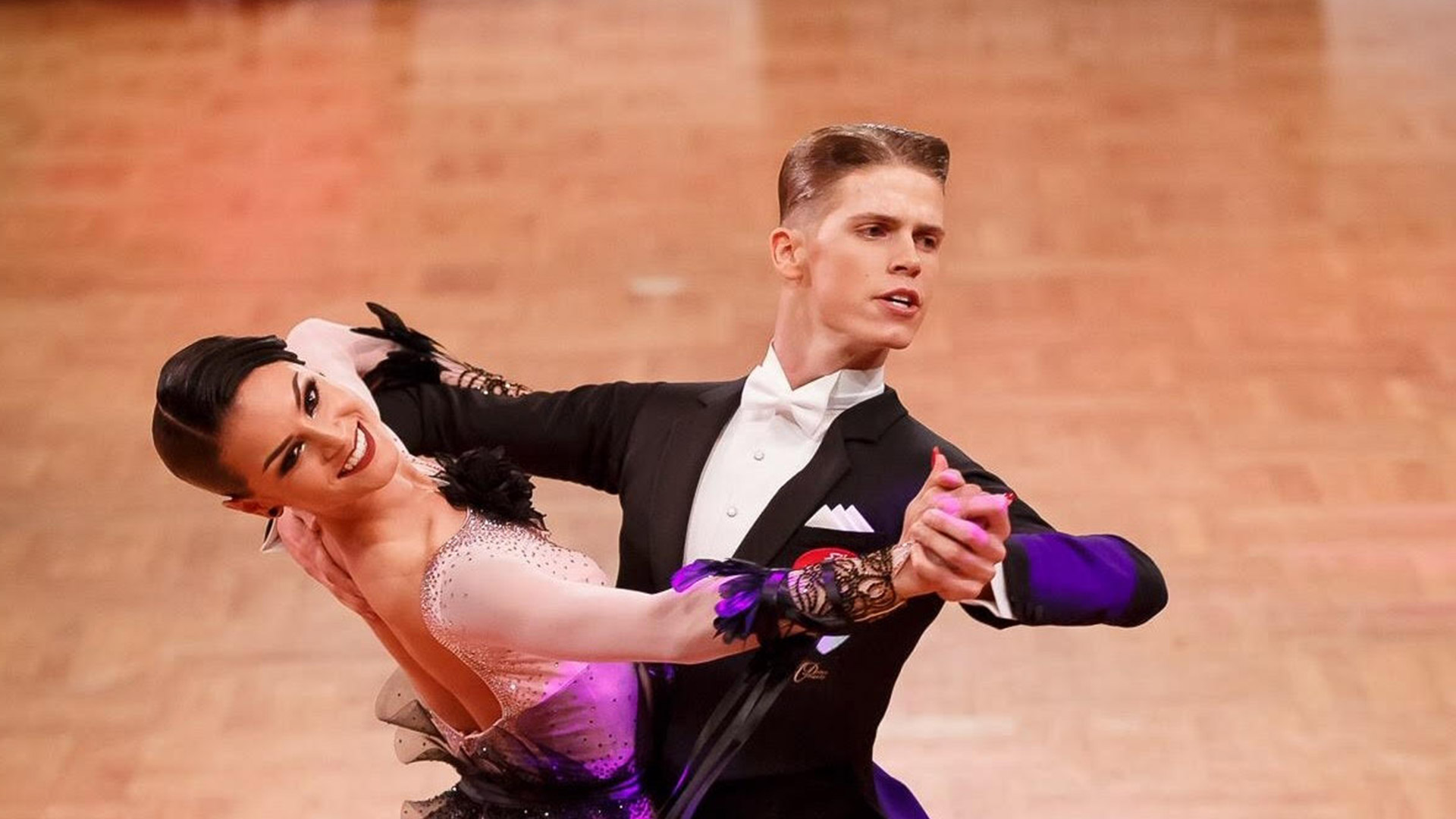
Latin styles are characterized by the energy and expressiveness of the movement, rhythmic interpretation, and the emphasis of bodily movement and character.
1. Cha-Cha
Cha-Cha is a lively style of dance that involves quick movements with a distinctive rhythmic pattern.
It involves:
Perceptive steps
Emphasis on the hips
Creativeness with the rhythm
Interaction with the partner
Cha-Cha is a style that is highly popular in competitions.
2. Samba
Samba is a very competitive dance style famous for its fast rhythm and energetic bounce, and expressive of the Brazilian culture.
Samba requires:
Body control
Energy
Accuracy
Athleticism
3. Rumba
Considered one of the most romantic dances, Rumba focuses on emotions with slow movements and a deep connection of partners.
The dance is centered on a narrative.
4. Paso Doble
Inspired by Spanish bullfighting, Paso Doble consists of dramatic movement and strong poses with character.
It is a battle enactment that bursts with confidence and intensity.
5. Jive
An energetic style of dance, Jive involves quick footwork and even quicker movements with a lot of stamina.
The jive requires:
Speed
Stamina
Control of rhythm
Coordination
It is the most entertaining dance style that is performed in a competition.
The Role of Technique in Dancesport
Strong technical foundations are essential for successful dancesport types of any style. Professional dancers toil for hours perfecting their posture, balance, timing, and the precision of their movements.
Dancers are able to execute the most complex routines while remaining poised and in control. Technique helps partners harmonize their movements.
The Influence of Music and Performance
All types of dancesport center around music. Dancers need an understanding of music to master rhythm, spacing, and emotional interpretation in order to capture the audience during a performance.
Performances that succeed are able to layer stories on top of technical mastery. The ability to synch movement to music in order to create an experience is what dancers relish to do and what the judges remember.
The Explosion of Dancesport
Dancesport is now fully international, with dancesport types competitions spanning the globe. Professional dancers, organizers, and enthusiastic dancers have built a community focused on introducing dancesport to new generations.
As the popularity and accessibility of dancesport has proliferated, it has been recognized as a wonderfully creative instrument of expression and a sport of competition.
Conclusion
The many styles of dancesport types contain the full range of what competitive dance can offer. Each style, whether a ballroom classic or a lively Latin construction, has its own story to tell.
Dancesport also engages athletic and artistic dancers with the full spectrum of emotion and expression. Whether dancesport is performed for as a profession or a hobby, the world continues to be captivated by the rhythm, technique, and artistry of the dancers.