
Introduction to Cabernet Grapes
Among the many beauties of vineyards glimmering in the sun, few fruits are as awe-inspiring as cabernet grapes. Taking on all the attributes of the “velvet giant,” they are dark, luxurious, and expressive. What may seem just a simple agricultural addition may actually be a complex ‘theatrical’ performance, with nature setting the mood with a cluster of dark and mysterious grapes.
Cabernet grapes mature to become bold, expressive, and colorful structures of nature that, unlike delicate fading showpieces, possess the fortitude and confidence of nature and, as a bonus, time.
The Origin of a Vineyard Icon
Cabernet grapes represent a lucky crossing of Cabernet Franc and Sauvignon Blanc that occurred in Bordeaux, France, and came to be the most important crossing of all time in the history of grapes.
Via Europe, the Cabernet crossing of France made its way to all corners of the world, getting planted in California, Australia, South Africa, and South America. It traveled the world proudly carrying with it its amazing depth and structure, signifying its identity, while adapting to all the different soils and climates it encountered.
It is this adaptability and resilience that makes cabernet-grapes truly extraordinary among all grape varietals on the planet.
Overview of Velvet Giants
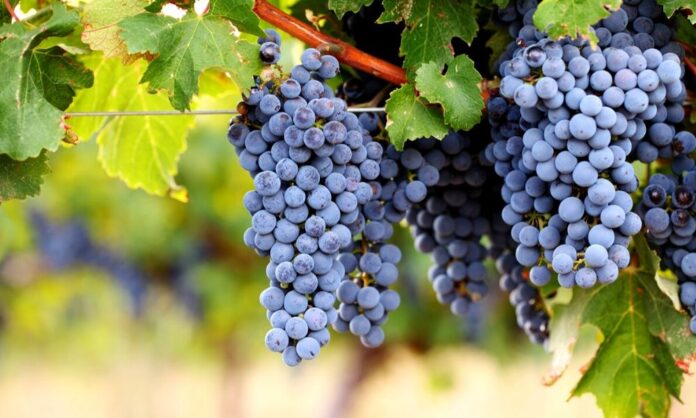
Cabernet grapes are referred to as “Velvet Giants” due to their unique physical and sensory characteristics. They have skins that are thick and dark almost black. The skins can appear to have a velvet appearance when the sunlight hits the grapes.
Cabernet grapes contain a firm and structured inner flesh. They are also grown with seeds which makes their tannin levels very high as a natural consequence. Cabernet grapes offer a bold personality and do not hold back on expressing their character and playing their part.
The inner flesh of ripened Cabernet-grapes can contain flavor profiles of black currant, dark cherries, and plums with a layer of herbs. These flavors are not concrete and can be impacted as a result of the variation of soil and climate and the attention and care the vineyards receive.
The Impact of the Environment on Cabernet Grapes
The cabernet grapes’ relationship with the soil is one of the most interesting facets of the grapes themselves. This soil, climate, and geography combination of cabernet grapes can be used to understand the different tastes of cabernet grapes in the different areas they are located.
Cabernets from vineyards that have more gravel in the soil will be more firm and more intense. In vineyards that have more clay in the soil, the resulting Cabernet-grapes will be softer and more fruitier. The balance of climate will preserve the integrity of the grapes.
Cabernet grapes are affected by the environment they grow in, and can almost be seen as a reflection of that particular land.
Growing Cabernet Grapes: Finding the Right Measure of Control and Care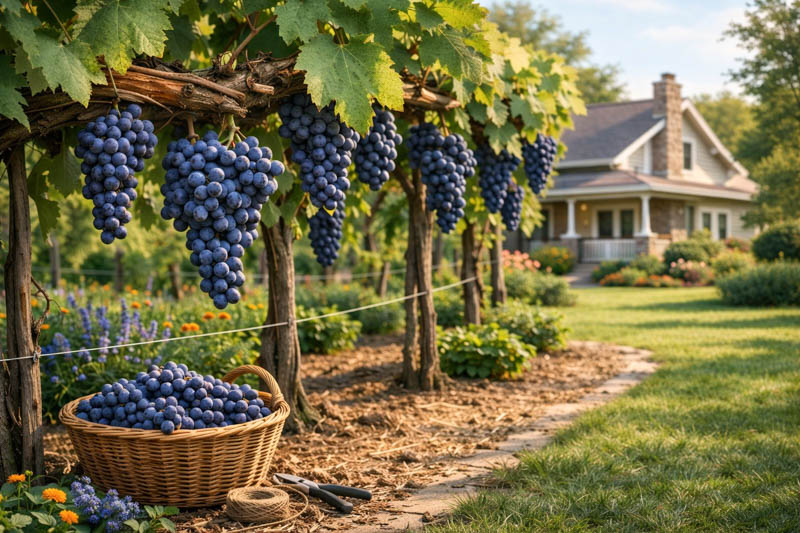
Growing cabernet grapes takes a long time and a lot of effort. The vines are strong but developing the best cabernet grapes requires management. If they’re not kept in line, the vines will bear as many grapes as they can, which takes away flavor.
Instead, grape growers aim to have fewer, but more flavorful grapes. By cutting away excess grape clusters, the vines can be made more concentrated and flavorful. Without that careful pruning, cabernet grapes produce lots of clusters of flavorless grapes.
Cabernet grapes are much thicker than other grapes and as a result can be a lot more healthy. They can provide layers of flavor but, like any other grape, need a good environment to grow. Sunlight, airflow, and good soil are musts.
Once Some Grapes, Now Many Grapes
The cabernet grape is one of the best grapes for aging wine. The structure and tannins of the grape allow for it to develop and get even better over age. Once the grapes are ready to be made into wine, they provide a lot of flavor. They are better than your run-of-the-mill grape because while they are bold and tart, they are also very fruity.
The best part of cabernet grape is that they are easily made into a lot of different things while retaining their flavor. They have a lot of nutrients and antioxidants which help the grape get better while also protecting it against the elements.
These compounds are also responsible for deep grape coloration and are studied extensively for their health properties. Along with the natural sugars and organic acids, they form a combination of elements that make a balanced, flavorful, and brightly colored fruit.
Reasons for the Timelessness of Cabernet Grapes
The main reason that cabernet grapes are still popular is their flexibility and reliability. They are not confined to a particular style or region, but, most importantly, they retain their core.
This individuality of many vineyards is combined with the well-known consistency of the Cabernet grapes. Nature has a lot of wonderful things to offer, but cabernet-grapes are special because they are one of the very few things that contain balance of consistency and individuality.
Cabernet grapes also reflect the ability of nature to combine, adapt, and offer cyclic craftsmanship.
Final Thoughts
The Cabernet grape has a story that extends beyond the field. Combining nature’s elements with a bit of imagination, the Cabernet grape has a character hidden beneath its smooth exterior.
Cabernet grapes continue to represent what quality, knowledge, and timelessness are worth around the world. They are rightly named the Velvet Giants of the Vineyard.