
Autism Hand Flapping Explained
People’s first reactions to autism hand flapping are usually a mix of confusion and curiosity. For those unfamiliar with autism, hand flapping can seem like an odd, even aimless, repetitive behavior. The truth, however, is that many autistic people use this as a way to express themselves, and it’s natural and meaningful.
If you’re looking up autism hand flapping, you probably want to learn about the reasons and the significance behind the behavior, as well as whether it is something to be concerned about. In this article, we’ve done our best to provide that information in a simple and humane way.
What is Autism Hand Flapping?
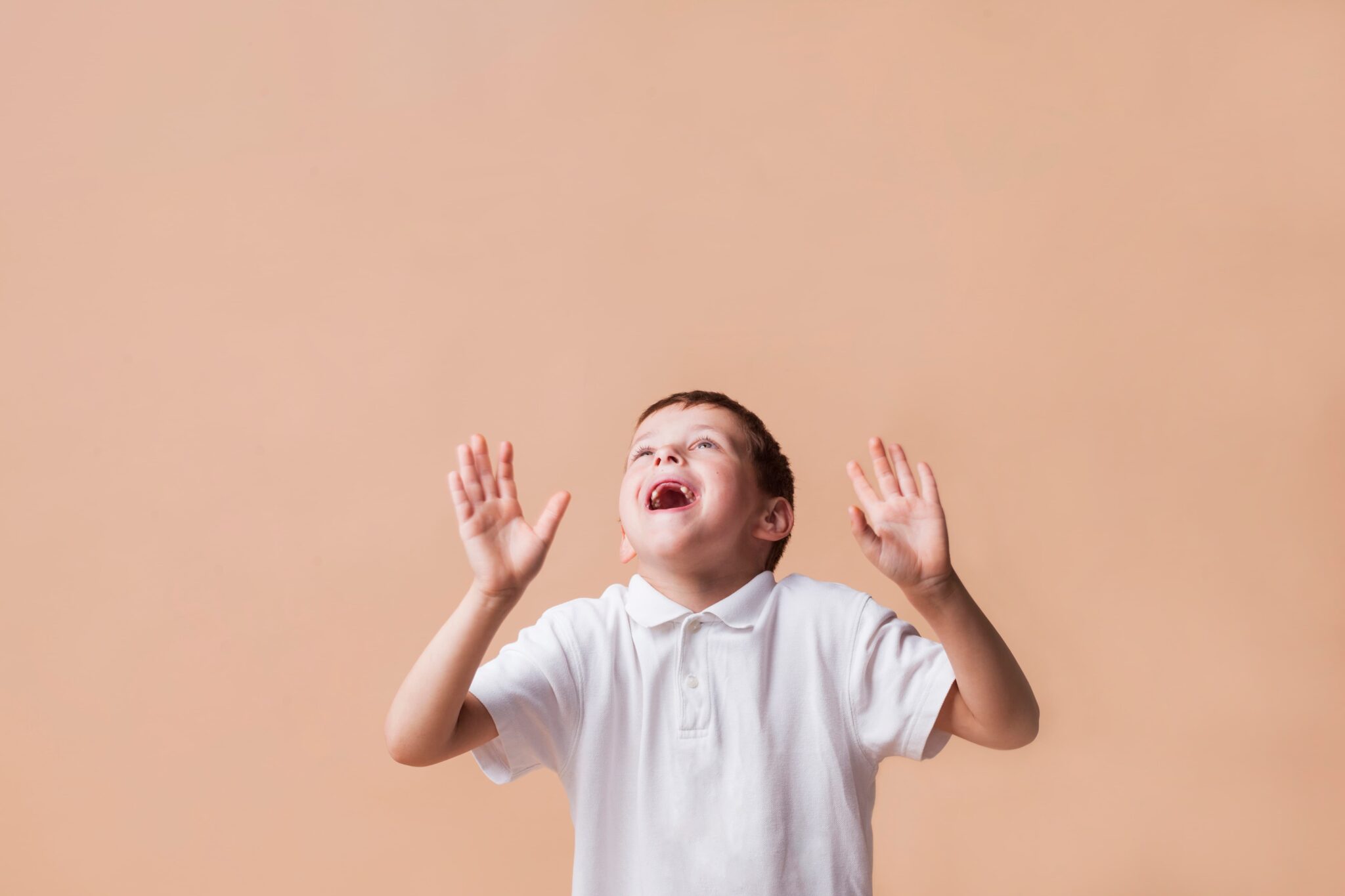
A person engages in autism hand flapping when they rapidly move their hands or arms in a repetitive fashion, typically when they are excited, overwhelmed, or anxious, or when there is too much sensory stimulation present.
This behavior is also classified as a type of Self Stimulating Behavior (more commonly referred to as ‘stimming’). The purpose of these repetitive behaviors is to manage and/or control an individual’s emotional and/or sensory state.
Examples of stimming include:
Autism hand flapping
Rocking back and forth
Flicking fingers
Echolalia (the repetition of another person’s speech)
Tapping/spinning objects
Of all the different types of stimming, Autism hand flapping is perhaps the most visible, and as a consequence, the most often talked about.
What are the Causes of Autism Hand Flapping?
To truly understand autism hand flapping, it is first crucial to understand that when someone has autism, it alters the way in which their brain is able to process sensory stimuli and emotions.
Autism hand flapping may occur for many reasons, some of which are as follows.
1. Emotional outlet
Hand flapping may be a means of expressing strong emotions for some. For example:
Excitement
Happiness
Surprise
Feeling overwhelmed
The body may express emotions when words or facial expressions cannot.
2. Sensory balance
Some autistic individuals experience sensory input differently, feeling things such as lights, sounds, and textures as too intense or insufficient.
Autism hand flapping can:
Increase sensory input when under-stimulated
Calm an overloaded nervous system
Create balance
3. Self-soothing
Hand flapping may be a self-soothing behavior to reduce stress or anxiety.
4. Communication
Hand flapping may aid in communication for individuals who are non-speaking or have little speech as a means for expressing emotions that cannot be expressed in the form of words.
Is Autism hand flapping bad?
One of the most common inquiries about hand flapping is whether it is bad. In general, hand flapping is:
Safe
Not bad
Not something that needs to be corrected
Many individuals on the autism spectrum use hand flapping to cope with and regulate emotions and sensory experiences.
Hand flapping is less safe and more concerning when it causes physical injury, it severely interferes with day to day activities, or the individual is in emotional distress. Autism hand flapping should be supported and not suppressed in these circumstances.
In attempts to be more “normal” or in the service of social conformity, hand flapping was, in the past, discouraged. Modern society’s understanding of and attitude toward autism has shifted positively in recent years.
Experts have stressed the importance of:
– Acceptance vs. correction
– Understanding vs. control
– Support vs. suppression
The stress and anxiety that can be caused by the suppression of stimming can actually lead to more damaging behavior. Instead of trying to stop the behavior, the more appropriate strategy is to figure out why the behavior is occurring. It is also important to provide the person support and let them feel safe.
Ways to Support Someone Who Stims
For parents, caregivers, educators, and other individuals interacting with persons exhibiting the autism stimming hand flap, these are some more supportive options:
1. Be calm and non-judgmental.
The person should not feel judged and should have a calm, supportive presence.
2. Identify the cause.
Flapping hand may be a response to stress, excitement, or something else.
3. Offer sensory support.
Each person may need something different, but can be given assistance in the form of sensory tools, such as quiet spaces or fidgeting tools.
4. Allow the behavior.
If the behavior is not harmful, stimming should be allowed.
Neurodiversity and Stimming
Autism stimming, which includes hand flapping, can be considered part of the larger umbrella of neurodiversity. Neurodiversity, in this regard, is the understanding that there is a variation in the way the brain may function, and that no brain structure or function is better or worse than another type.
Autism hand flapping, stimming, and other behaviors are a means for those individuals with autism to convey how they interpret their feelings or sensory stimuli, as well as how they interact with others.
Instead of trying to “correct” a behavior which is a natural form of self-expression for many individuals with autism, neurodiversity advocates ask the following:
– What does the behavior signify?
– What is the best way to support the individual in feeling safe and in control?
In Summary
The stimming hand flap is a natural and meaningful behavior for many individuals and serves as a form of self-expression and plays a role in the individual’s balance in communication and feelings.
Instead of considering this behavior as an oddity, view it as an alternative behavior (which is entirely normal). We can build a respectful and welcoming space for the autistic community when we combine open-mindedness with awareness.