
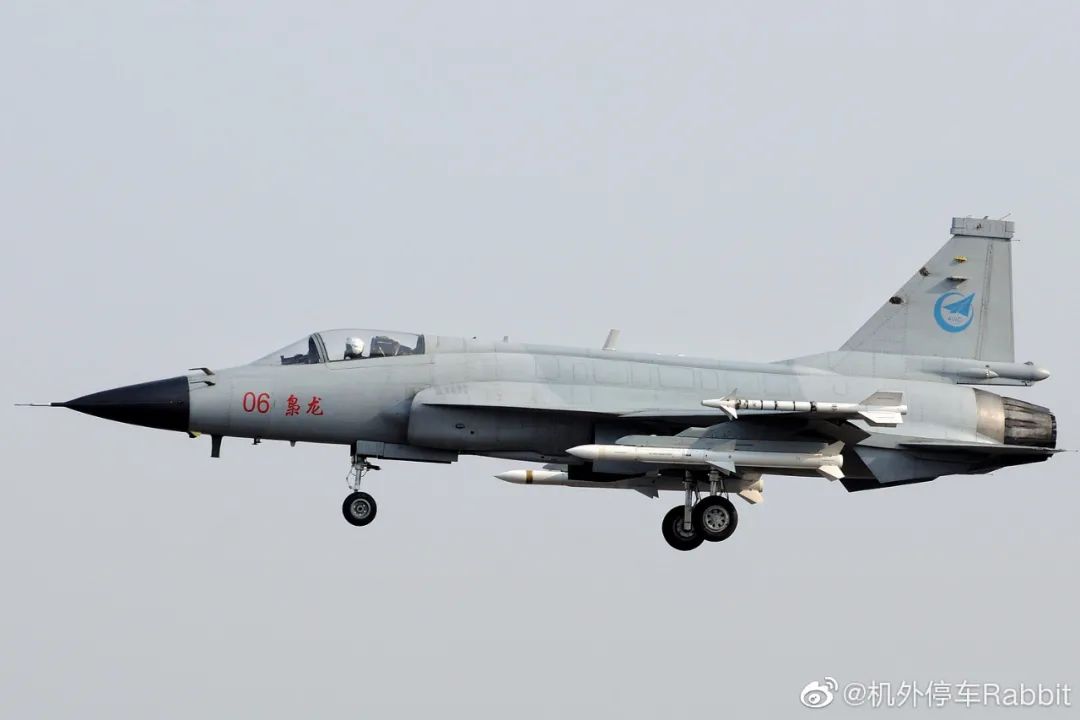

Introduction to the Chengdu FC-1 Fighter Jet
The world of aviation has always been shaped by innovation, engineering excellence, and the continuous search for more advanced aircraft designs. Among modern lightweight fighter aircraft, the Chengdu FC-1 holds an important place due to its unique development story, international collaboration, and contribution to affordable fighter technology.
Also known as the JF-17 Thunder in its operational form, the Chengdu FC-1 was developed as a lightweight multirole fighter designed to provide advanced aviation capabilities while maintaining cost efficiency. Its development represents an effort to create a modern aircraft solution that balances performance, technology, and affordability.
What Is the Chengdu FC-1?
The Chengdu FC-1 is a lightweight multirole fighter aircraft developed through cooperation between China and Pakistan. The project was designed to create a modern combat aircraft that could perform multiple aviation roles while remaining accessible compared to larger and more expensive fighter platforms.
The aircraft was developed by Chengdu Aircraft Industry Group with involvement from Pakistan Aeronautical Complex. The goal was to produce an aircraft that could meet modern aviation requirements through updated design concepts, advanced systems, and efficient manufacturing.
The FC-1 represents a significant step in the development of lightweight fighter technology.
History and Development of Chengdu FC-1
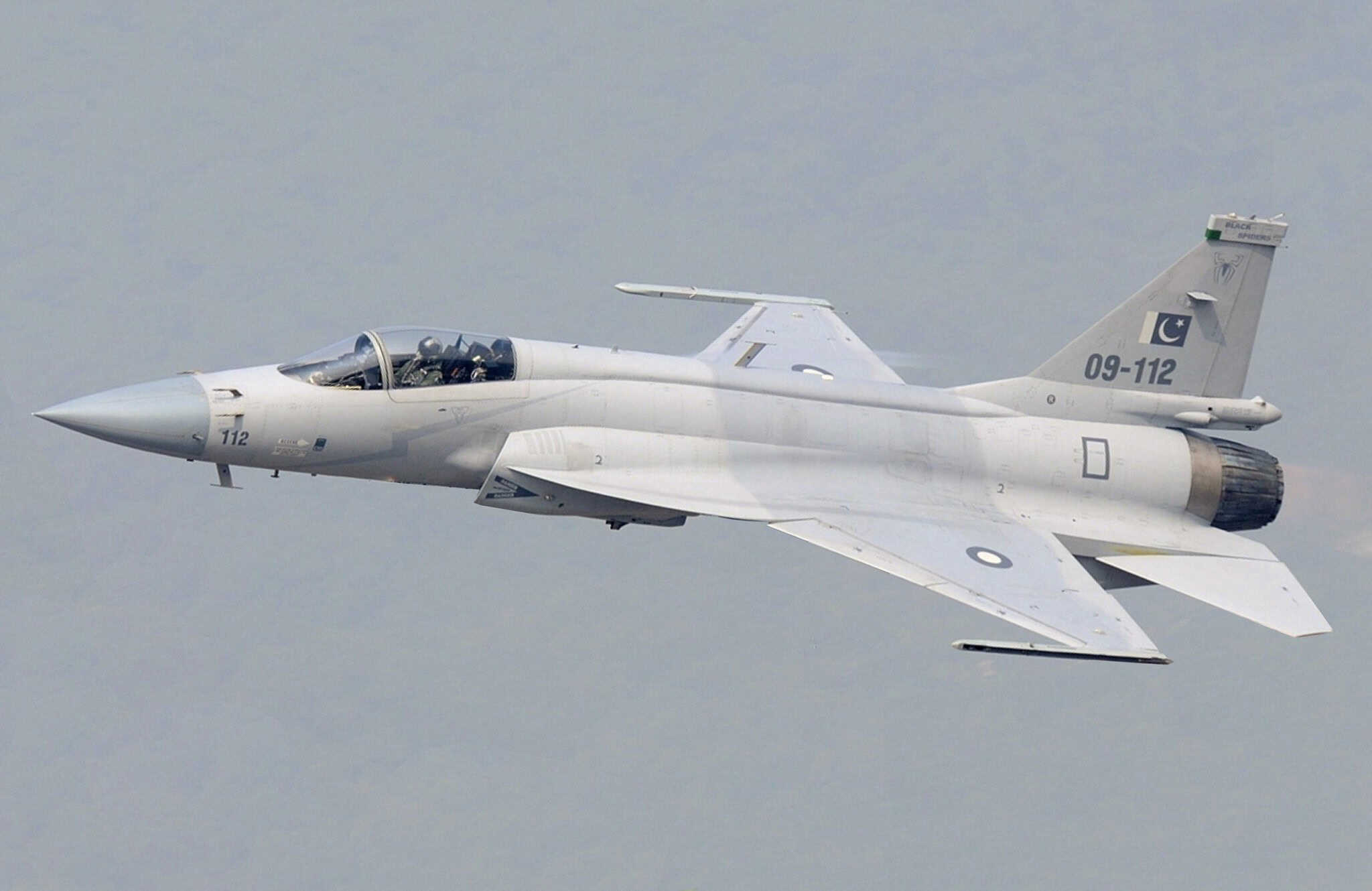
The origins of the Chengdu FC-1 project can be traced back to efforts to develop a new generation of affordable fighter aircraft. During the development process, engineers focused on creating a platform that combined modern design features with practical operational requirements.
The project evolved through several stages of research, testing, and refinement. International cooperation played an important role, allowing engineers to combine different areas of aerospace knowledge and manufacturing expertise.
The aircraft made its first flight in the early 2000s, marking an important milestone in the program. After extensive evaluation and improvements, the aircraft entered service under the JF-17 designation.
Design and Structure of Chengdu FC-1
The design of the Chengdu FC-1 focuses on creating a lightweight yet capable aircraft platform. Engineers developed the aircraft with attention to aerodynamic efficiency, reliability, and ease of maintenance.
Important design characteristics include:
-
Lightweight airframe construction
-
Single-engine configuration
-
Modern aerodynamic shaping
-
Advanced cockpit design
-
Multirole operational flexibility
The aircraft’s design allows it to perform different missions, making it a versatile platform within the category of lightweight fighter aircraft.
Technology and Avionics
Modern fighter aircraft depend heavily on electronic systems, sensors, and digital technologies. The Chengdu FC-1 incorporates modern avionics designed to improve pilot awareness, aircraft management, and mission effectiveness.
The aircraft features updated cockpit systems, digital displays, and integrated technologies that support modern aviation requirements.
Advancements in avionics allow pilots to manage information more efficiently and operate the aircraft with improved situational awareness.
Performance and Multirole Capability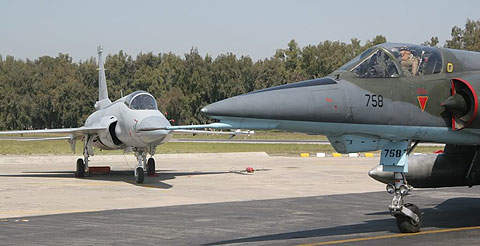
One of the major goals behind the Chengdu FC-1 project was to create a flexible aircraft capable of supporting multiple aviation roles.
A multirole fighter is designed to perform different types of missions rather than focusing on only one specific task. This flexibility makes such aircraft valuable for air forces seeking practical and cost-effective solutions.
The FC-1 platform demonstrates how modern engineering can create a balanced aircraft by combining technology, efficiency, and adaptability.
Importance of the Chengdu FC-1 Program
The significance of the Chengdu FC-1 extends beyond the aircraft itself. The program represents an example of how countries can develop aviation capabilities through industrial cooperation and technology advancement.
The aircraft has contributed to aerospace manufacturing experience and helped strengthen the aviation industries involved in its development.
For emerging aviation programs, the FC-1 serves as an example of how lightweight fighter projects can provide alternatives to more expensive aircraft solutions.
Global Interest and Export Potential
The Chengdu FC-1 has attracted international attention because of its combination of modern features and relatively affordable positioning.
Many countries consider lightweight fighter aircraft because they offer a practical balance between capability and operating costs. The FC-1 has become part of discussions surrounding modern aviation options for nations seeking to upgrade their air forces.
Its export interest has contributed to the aircraft’s recognition in the international aerospace community.
Future Development of Chengdu FC-1
Like many modern aircraft programs, the Chengdu FC-1 continues to evolve through improvements in technology, systems, and design features.
Future aviation development focuses on areas such as improved electronics, better efficiency, and enhanced integration of modern technologies.
Continuous upgrades help extend the usefulness of aircraft platforms and allow them to adapt to changing aviation requirements.
Conclusion
The Chengdu FC-1 fighter jet represents an important chapter in modern aerospace development. Through its combination of lightweight design, technological innovation, and international cooperation, it demonstrates how advanced aviation solutions can be created with a focus on efficiency and flexibility.
From its early development stages to its role as a modern multirole aircraft platform, the Chengdu FC-1 highlights the importance of innovation in the aviation industry. Its story reflects the ongoing evolution of fighter aircraft design and the continuous pursuit of better engineering solutions.