
Orange Roughy: The Deep Ocean Restaurant Star
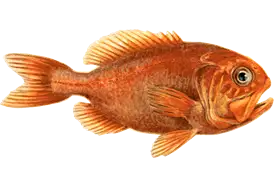
Deployed down the depths of the oceans, our planet’s slow-growing and long-lived fish have been named orange roughy due to their later-in-life bright orange color and rough patches on their heads. These deep sea fish are finally starting to get some limelight on the dinner table and restaurant menus across the world because of their mild taste, soft texture, and cooking versatility. Even though orange roughy do not have the most visually striking aesthetic, their culinary versatility hides remarkable depths.
For ocean explorers and fish fanatics, orange-roughy have a lot to offer the dining experience, all while serving as a reminder to uphold the sustainability of our ocean’s ecosystems.
What is Orange Roughy?
Orange roughy are slow-deep-sea fish that dwell in cold waters at a depth of 600 to 1500 meters. Fish have been thought of as a deep ocean mystery until modern fishing has made them more accessible. Thanks to its deep home, orange roughy was relatively unknown until recent history. As they started to make their way to international markets, their popularity skyrocketed because of their quality fillet and mild taste.
Taste and Texture
Orange roughy has a unique taste and texture that explains its popularity in the culinary word. Orange-roughy has a very mild and slightly sweet taste. This is appealing to individuals who do not wish to have an overpowering seafood taste. When orange roughy is properly cooked, the texture becomes flaky and soft, and is almost like a melt in your mouth consistency. Orange-roughy is extremely versatile. There are many methods of cooking that hold the fish together, such as baking, grilling, frying, and steaming. Because of orange-roughy’s neutral taste, it is great paired with many ingredients. It is good with herbs, citrus, buttery sauces, and marinades that are spicy.
Culinary Uses of Orange Roughy
Culinary experts think that one of the best advantages of orange roughy is its suitability to many recipes. Orange roughy can be used in dishes that are very simple and used in home cooking, as well as dishes that are very elaborate and used in fine dining.
Some of the most popular methods of cooking orange-roughy includes:
Baked Orange Roughy: Fish is lightly seasoned with herbs and garlic, and is then baked with lemon.
Pan-Seared Fillets: Fish is cooked in butter or oil to give it a golden, crusty texture.
Grilled Orange Roughy: Giving the fish a smoky flavor to complement a summer dish.
Fish Tacos: Flaked orange roughy used as a base for toppings.
Because of its ability to absorb many flavors, orange-roughy is great with both bold and light spices.
NUTRITION
In addition to its pleasing flavor, orange roughy is nutritious. It’s a complete source of protein, essential to a healthy diet and low in fat. It contains selenium, and vitamin B12, both important nutrients.
Like all deep-sea fishes, orange-roughy contains some toxic trace elements, and some polyunsaturated fatty acids, that create a risk to health and longevity when consumed in excess. Also, like many deep-sea fish, orange-roughy contains a number of naturally occurring elements that can create a risk to health when consumed in excess with prolonged and continued consumption, in addition to its long life.
SUSTAINABILITY
Although orange roughy is a popular fish, it is a poor choice due to its negative impact on the environment. Its slow growth and late maturity to sexual reproduction makes it highly susceptible to overfishing. In some areas, the population of orange-roughy has greatly decreased due to too much commercial fishing.
Consequently, several conservation groups have made recommendations of better choices and sourcing orange roughy. Some fisheries are now utilizing more sustainable practices to protect orange-roughy.
Choosing sustainable certified seafood is an important decision for the health of our oceans. Responsible purchasing can be guided by the Marine Stewardship Council certification (MSC).
HOW TO BUY AND STORE ORANGE ROUGHY
When buying orange-roughy, freshness is key. Look for firm white fillets and a clean ocean smell. Avoid fish with a strong or sour odor as this may indicate poor quality.
Store fish properly by using it within one to two days of purchase and keeping it in the refrigerator. For longer storage, tightly wrap the fish to prevent freezer burn.
Cooking Tips for Best Results
Orange roughy has certain attributes that can be made the most of with simple preparations:
Because of fish’s tendency to dry out, the fish should be monitored closely to prevent overcooking.
Orange-roughy has a pronounced natural flavor, so it is best to use seasonings that are gentle.
Medium heat should be monitored to ensure an even cook.
Herbs give a freshness to orange-roughy. Consider using parsley, dill, or basil.
These small tips can elevate fish from a home-cooked meal to fine dining.
Final Thoughts
Orange roughy encompasses the flavor and experience of a deep-sea fish that is sustainable. Chefs around the world prize the fish for its versatility and mild flavor, while the fish’s environmental story serves as a reminder of the responsibility that seafood consumers must exercise.
Orange roughy can be grilled or baked, and it’s best to choose a citrus marinade. Orange-roughy fits into the world of seafood with its cautious sourcing and serves as a wonderful and different offering.