
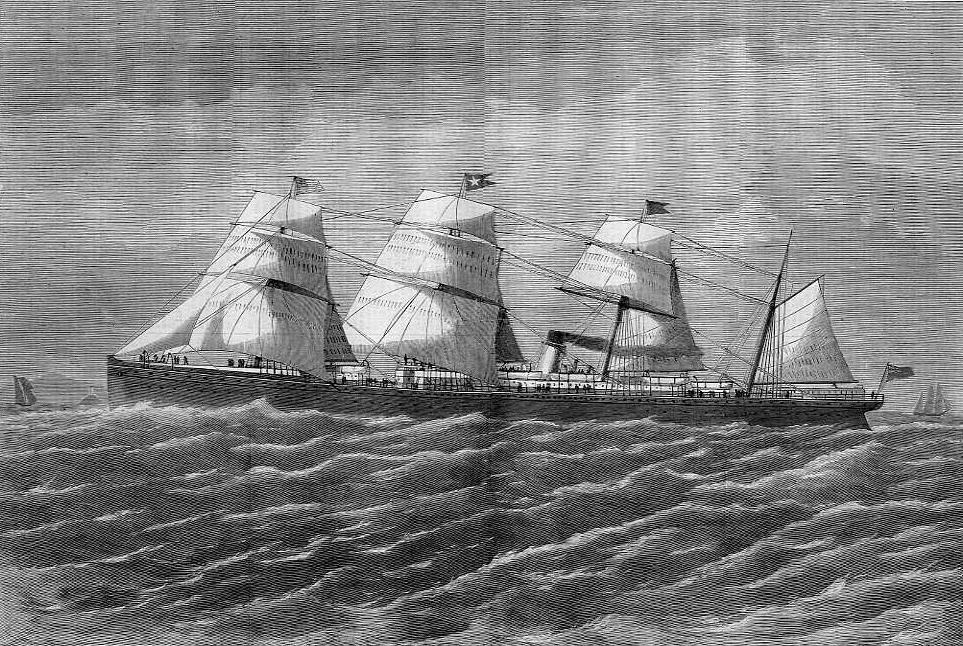

Introduction
The history of ocean travel is filled with ships that changed the way people connected across continents. Among these historic vessels, RMS Atlantic remains an important name that represents innovation, ambition, and the challenges of early steamship travel. Built during a time of rapid advancement in maritime engineering, the ship became a symbol of progress while also leaving behind a powerful story of human courage and loss.
The journey of RMS Atlantic reflects an era when ocean liners were transforming global transportation and opening new opportunities for international travel.
The Birth of RMS Atlantic
The RMS Atlantic was a British ocean liner built for the White Star Line during the early development of large-scale steamship services. Constructed in the 19th century, the ship was part of a new generation of vessels designed to provide faster, safer, and more comfortable journeys across the Atlantic Ocean.
At the time, shipping companies were competing to create impressive vessels that could attract passengers and improve transatlantic connections. RMS Atlantic represented the latest achievements in shipbuilding, combining steam power with traditional maritime design.
The ship’s construction demonstrated the growing importance of engineering innovation in the maritime industry. It was created not only as a transportation vessel but also as a representation of modern technology and progress.
Engineering Excellence of a Victorian-Era Ship
One of the most fascinating aspects of RMS Atlantic was its engineering design. During the 1870s, ocean liners were evolving rapidly, and shipbuilders were experimenting with improved propulsion systems, stronger structures, and better passenger facilities.
RMS Atlantic featured advanced technology for its period, including steam-powered engines that allowed it to travel efficiently across long ocean routes. The combination of mechanical power and traditional sailing capabilities reflected the transition from older sailing ships to modern steam liners.
The ship was designed to carry passengers and cargo while providing a comfortable travel experience. For many travelers of that era, boarding RMS Atlantic represented excitement, adventure, and the possibility of a new beginning across the ocean.
RMS Atlantic and the Growth of Ocean Travel
During its service, RMS-Atlantic played an important role in the development of international transportation. It connected Europe and North America at a time when migration, trade, and communication between continents were increasing.
Ocean liners were more than just ships; they were floating communities where people from different backgrounds shared journeys and experiences. RMS Atlantic carried passengers with dreams, ambitions, and personal stories, making it part of a much larger chapter in global history.
The vessel helped strengthen the reputation of the White Star Line and contributed to the company’s growth in the competitive transatlantic shipping industry.
The Tragic Voyage That Changed Maritime History
While RMS Atlantic represented progress and achievement, its story is also remembered because of its tragic final voyage in 1873. During a journey across the Atlantic, the ship encountered serious difficulties near the coast of Nova Scotia.
Due to navigation mistakes and challenging circumstances, RMS Atlantic struck underwater rocks and suffered severe damage. The accident resulted in the loss of many lives and became one of the most significant maritime disasters of its time.
The tragedy created widespread concern and encouraged discussions about improving safety measures at sea. It showed that even advanced ships required careful navigation, proper planning, and stronger emergency procedures.
The Impact on Maritime Safety
The disaster involving RMS Atlantic contributed to important changes in maritime practices. Ship operators and authorities recognized the need for better safety standards, improved navigation methods, and stronger emergency preparations.
Although the loss of the ship was heartbreaking, the lessons learned helped influence future developments in ocean travel. Maritime history is often shaped by both achievements and mistakes, and RMS Atlantic became an example of why continuous improvement was essential.
The event helped push the industry toward safer and more organized approaches to passenger transportation.
Preserving the Maritime Heritage of RMS Atlantic
Today, RMS Atlantic remains an important subject for maritime historians and enthusiasts. Its story provides valuable insight into 19th-century shipbuilding, ocean travel, and the challenges faced by early steamship companies.
The vessel represents a fascinating period when technology was changing the world. It reminds us of the determination of engineers, the bravery of sailors, and the experiences of passengers who crossed the ocean during a transformative time.
Through historical records and research, the legacy of RMS Atlantic continues to educate people about the evolution of maritime transportation.
Why RMS Atlantic Still Matters Today
The importance of RMS Atlantic goes beyond its tragic ending. The ship represents a major period of transition in maritime history when steam power, engineering innovation, and global connections were rapidly expanding.
Its story combines achievement, technology, and human experience. By studying RMS Atlantic, we gain a deeper understanding of how modern ocean travel developed and how past events shaped today’s safety standards.
Final Thoughts
The journey of RMS Atlantic is a remarkable chapter in maritime heritage. From its advanced engineering and role in global transportation to its tragic final voyage, the ship represents both the possibilities and challenges of 19th-century ocean travel.
More than a century later, RMS Atlantic continues to capture the interest of historians and maritime enthusiasts. Its legacy serves as a reminder that every ship carries a story — a story of innovation, adventure, and the human desire to explore beyond the horizon.