
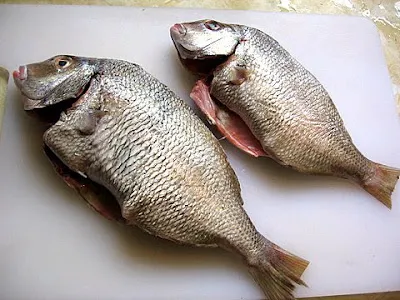

Intro Porgy Fish
Of the marine fauna, fish are probably the most numerous and with the most diverse flavor profiles and ecological funtions. Furthermore, in the seafood world, the porgy fish is one of the most accessible and most ubiquitous. Its importance in the seafood world and its place in marine ecology are some of the things that make the porgy fish special and worthy of note.
Porgy-fish are easily identifiable by their distinctive body shape and are found in coastal waters. They have a mild flavor making them highly sought after by seafood consumers and fishers alike. They form a vital part of the aquatic ecosystem and are important for research in marine science.
This guide will examine different aspects of the porgy fish, from its species and habitat to culinary uses.
What are Porgy Fish?
Sparidae is one of the many families of marine fish, but the majority of the fish that are considered Porgy-fish belong to this family and the other families that have marine fish that live in coastal waters and have oval body shapes and a strong set of teeth.
Porgy fish are a valuable seafood resource and are found in abundance, making them a lucrative target for commercial and recreational fishers alike.
Some common features of Porgy-fish include:
Flattened body shape
Silver or reddish coloring
Strong jaws and teeth
Coastal habitat preference
Mild, pleasant flavor
Different species of Porgy-fish may differ in a number of ways (size, shape, characteristics, etc.) and in some cases may be found in differing climates.
Porgy Fish History
Porgy fish history aligns with the history of fish and fishing communities throughout the world. Coastal communities have depended upon the use of neighboring fish species as a food supply for centuries. Fishermen found porgies to be delicious and easy to catch and process.
Porgy-fish contributed to the food and fishing culture of fishing communities of the Atlantic. Fishermen created and modified fishing and processing techniques based on the tools and information previously available and passed this information to their descendants.
Porgies are pivotal to the fishing industry and continue to interest sport fishers.
Porgy Fish Species
Porgy fish is an inclusive term that covers a range of species and fish that occupy a number of different marine settings.
Porgy Fish examples include:
Scup
Scup is a Porgy-fish recognized throughout the Atlantic in North America and is popular due to its taste and abundance.
Red Porgy
Red porgy is a species that is found in the warmer coastal waters and is known for its color.
Sheepshead Porgy
This species is known for its teeth and feeding behavior.
Sea Bream
Fish that are found with porgies and that are part of Mediterranean cuisine and are part of the sea bream family.
Although there is a wide variety of Porgy-fish, they all have characteristics of porgies.
Porgy Fish Habitat
Porgy fish have an extensive habitat that covers all the coastal and marine areas of the world.
They are usually located in:
Shallow ocean water
Rocky areas
Sandy sea beds
Reefs
Coastal bays
The Porgy-fish lives more in the areas where they can feed on:
Crustaceans
Shellfish
Vegetation
Organisms
The porgy fish can change its environment and thus can live in many different forms of the ocean.
Physical Characteristics of Porgy Fish
Porgy-fish are very easy to identify.
They have:
A shape that is oval
Side that are compressed
Teeth that are sharp
Strong fins
Silvery scales
Some species are more brightly colored, containing red, pink, and gold shades.
Their design helps them move quickly through the water to look for food near the coast.
Taste and Texture of Porgy Fish
Porgy-fish are popular in cooking, one of the reasons is their taste.
The meat is:
Mild in flavor
Lightly flaky
Sweet and tender
They are not very strong in flavor, thus can be used in many different recipes.
Porgy-fish absorb seasoning very well leading to many possible styles used in cooking.
Nutritional Benefits of Porgy Fish
Porgy fish, like other sea food, gives many different nutrients.
Porgy fish contain:
High quality proteins
Minerals
Vitamins
Fats
Fish can be used as one of the means to achieve good health. The nutrients contained in Porgy-fish can be very different based on the species and the way they are prepared.
Culinary Uses of Porgy Fish
Porgy fish are very popular in many different cuisines. Some common methods of cooking are:
Grilling
Baking
When fish is baked, it can be cooked with herbs and vegetables, along with seasonings.
Frying
Baked porgy is very popular because the fried crust of the fish pairs perfectly with the fried, tender meat.
Steaming
Steaming helps Porgy maintain its flavor and delicate texture.
Porgy is great for simple at home dishes, as well as professional seafood dishes.
Fishing and Sustainability
Porgy-fish is becoming popular, which means fishing for it responsibly is important.
It is important for the health of fish and the state of the oceans to fish for Porgy sustainably.
This means:
Following fishing laws Tang
Un fishing for PorTo help maintain an ecosystem for safe fishing in the future and for the sake of the children.
Porgy Fish in Coastal Culture
Porgy-fish is important in the history of fish for coastal communities because it symbolizes:
Fishing Heritage
Food Heritage Fab
Relationship with the ocean
Fishing for porgy has cultural rather than economic significance in many communities.
Why Porgy Fish Matters
Porgy fish is important because it maintains diversity in the ocean and sustainability at coastal businesses.
It helps sustain fishing traditions and culinary diversity.
Knowing the importance of Por Porgy-fish can help people appreciate the health of the oceans and how it fulfills our every need.
Conclusion
Porgy fish is important because it combines adaptability and flavor with cultural significance. It has a special place in every sea food tradition throughout the world.
With their mild flavor and nutritional benefits, not to mention their association with fishing communities, porgy continues to be popular among fishermen, chefs, and seafood lovers alike. Sustainable management will help preserve this important fish for future generations.