

Introduction
A major reason leather has been a treasured material throughout history is its beauty and versatility. Among the various leathers available, nubuck is one of the softest and most luxurious. With its beautiful, velvety texture, nubuck is a favorite material for multiple uses in fashion, footwear, furniture, and accessories.
- Introduction
- This section connects nubuck to leather & shoe-making history
- Nubuck gained even more momentum as the market for high end, stylish, and comfortable materials for:
- Nubuck Production
- Nubuck vs Suede
- Nubuck Applications
- Bags and Accessories
- Furniture
- Nubuck Care
- Challenges with Nubuck
- Popularity of Nubuck
- Nubuck Future
- Nubuck Softer, More Elegant, More Durable Leather
While nubuck is often compared to suede, there are multiple differences between the two leathers. Between its refined texture, strength, and visual appeal, nubuck leather is widely used and loved by high-end designers and consumers alike.
This guide offers a comprehensive look into nubuck leather including its history, texture, applications, care, and quality.
What is Nubuck Leather?
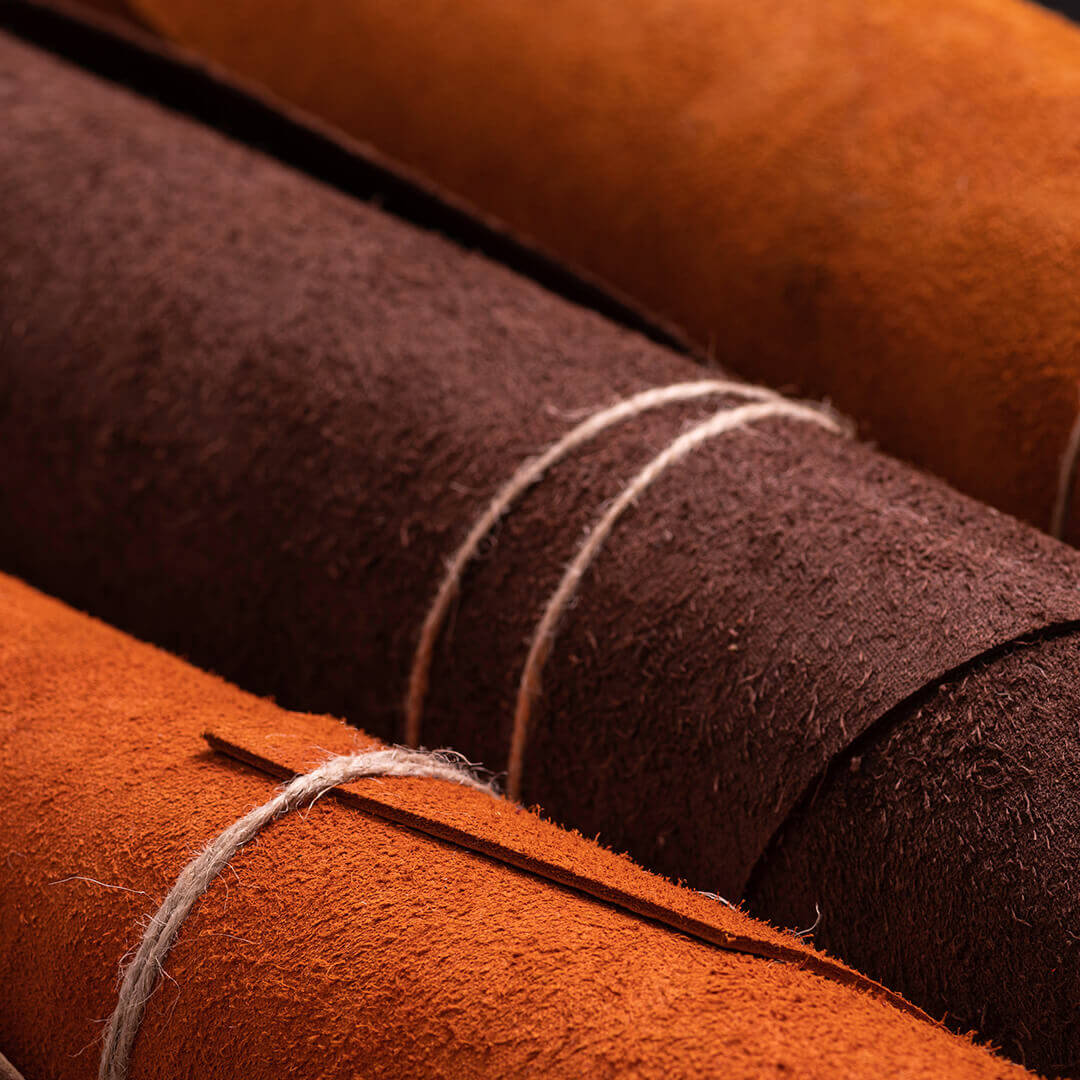
Nubuck leather comes from the outer layer of cowhide that has had its surface lightly sanded to produce a layer of texture known to the leather community as a “nap.”
Compared to other leathers, the outer grain layer of nubuck is quite strong and produces a luxurious leather with a beautiful finish and a high level of strength and durability.
Because of these characteristics, nubuck is often classified and described as luxury leather.
This section connects nubuck to leather & shoe-making history
People have used animal hides for covering the body, tools, and other materials for protection and as these methods developed, so did people’s art to trade hides for more developed, softer, and better looking hides.
Nubuck started hitting the market mid 20th century as businesses developed nicer finishes on leather for their luxury line.
Nubuck gained even more momentum as the market for high end, stylish, and comfortable materials for:
– Luxury Shoes
– Designer Goods
– Furniture
– Car Interiors
Nubuck is still used today because it is finished leather that is designed to last while maintaining an elegant and sophisticated appearance.
Nubuck Production
The process to produce nubuck requires skilled craftsmen and women.
Generally, the process includes:
– Quality leather selection
– Surface sanding
– Final treatment
In the selection process, leather with quality, evenly, and strongly backed grains are chosen.
Bumps, imperfections, and other surface issues are polished to a smooth finish.
Leather can be surface treated to create an even surface that stays finished.
Nubuck vs Suede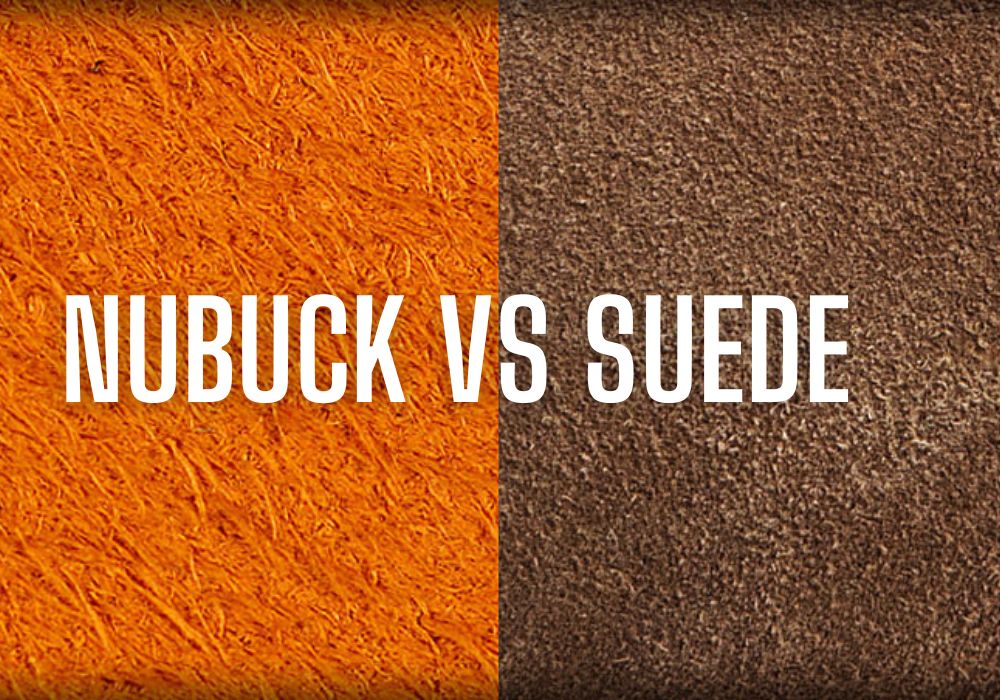
Nubuck is often confused with suede because the surface treatment for both is similar. What differentiates the two is that nubuck is sanded from the top side of the hide while suede is from the lower side of the hide.
Nubuck
Nubuck is leather made from the outer grain layer of the hide, which gives it strength and durability. It has a fine, softer texture than traditional leather, and generally, is more expensive.
Suede
Suede is from the inner layer of the hide. It is softer than nubuck, but tends to be less durable. It also has a rougher texture than nubuck.
Both materials have advantages, but nubuck is often favored for applications where durability and quality are most important.
Nubuck Applications
Due to its versatility, nubuck can be used in a variety of applications.
Footwear
Nubuck is commonly used in the following types of footwear:
– Boots
– Casual shoes
– Sneakers
– Luxury footwear
Because nubuck is soft and durable, it helps footwear maintain their shape while also providing comfort.
Bags and Accessories
Nubuck is used in handbag and accessory designs for:
– Handbags
– Wallets
– Belts
– Watch straps
Nubuck adds a premium look to accessories.
Furniture
Nubuck leather is also used in furniture design for:
– Sofas
– Chairs
– Decorative pieces
Nubuck leather gives furniture a comfortable and a sophisticated look.
Automotive Interiors
Some luxury vehicles use nubuck materials for the details in their interiors.
Advantages of Nubuck Leather
There are a multitude of reasons nubuck is popular.
– Appearance: nubuck has a soft surface and a premium look.
– Feel: the texture of nubuck is soft to the touch.
– Durability: nubuck is stronger than many types of leather because it comes from the top layer of the hide.
– Character: nubuck is not uniform and shows its authenticity.
Nubuck Care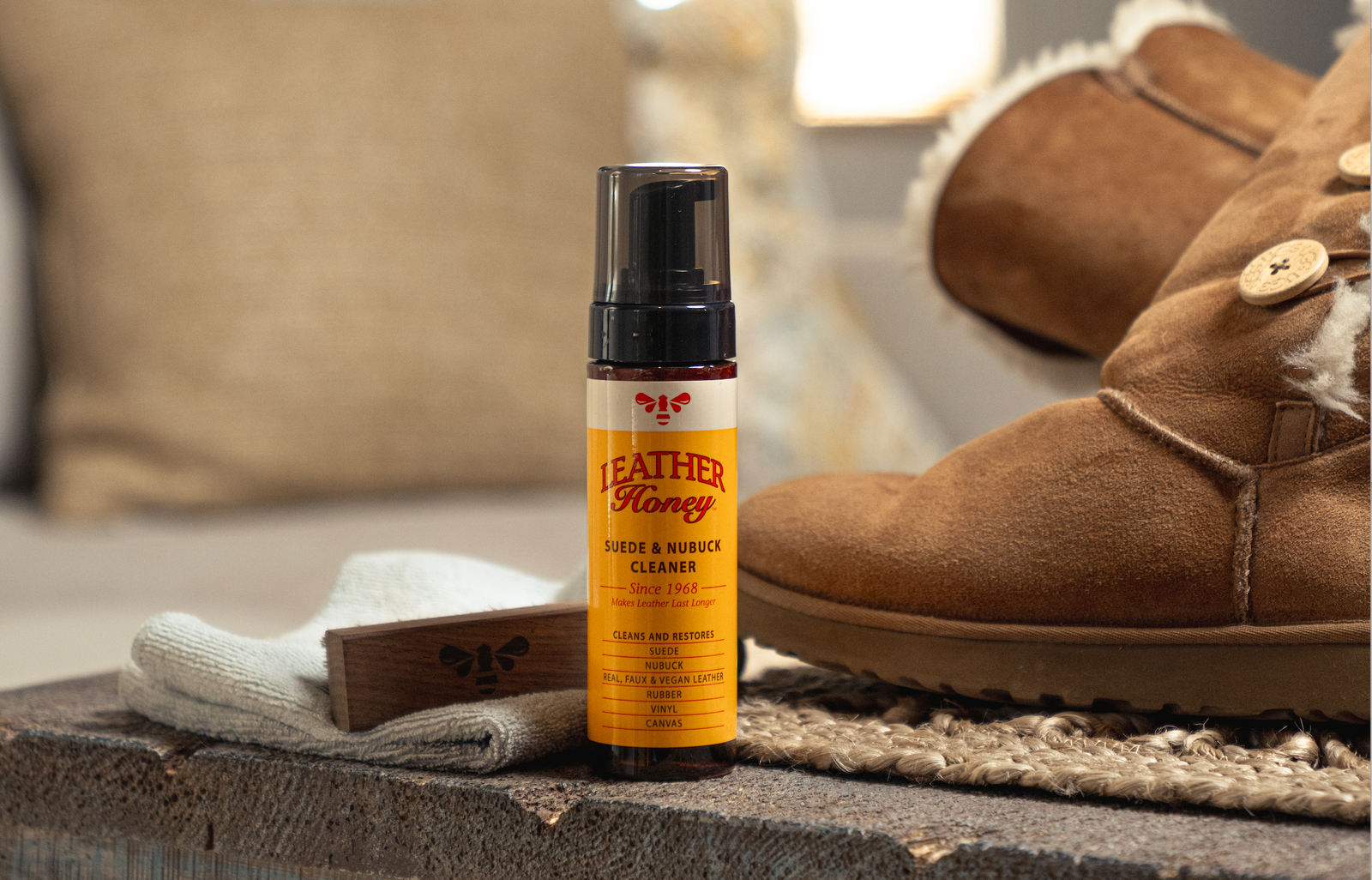
To maintain the appearance of nubuck leather, proper care is essential.
Because of its texture, nubuck tends to trap dust and can absorb water. It cannot be treated the same way as polished leather.
Essential Care Tips:
Routine Maintenance
To remove debris and keep the texture consistent, gently brush nubuck with a soft brush designed for nubuck.
Protect from Wetness
Water can alter the look of the leather and leaves a stain.
Apply Protective Treatments
Nubuck treatment sprays can improve resistance to stains and moisture.
Store Away
Nubuck items should be kept in a dry, dark place, away from the sun.
Challenges with Nubuck
While nubuck is an excellent material, its higher maintenance requirements can be challenging.
Nubuck’s Potential Challenges:
Easily stained
Regular cleaning is required.
Higher maintenance
Care for nubuck can improve the product for years.
Popularity of Nubuck
The nubuck balance of luxury, comfort, and durability has cemented its popularity.
Benefits for Consumers:
Great appearance
Soft texture
Quality
Durability
Nubuck’s widespread, versatile use in footwear and fashion has made it a material that customers and craftsmen appreciate globally.
Nubuck Future
In the leather industry, nubuck will continue to remain integral as customers focus more on high quality and sustainable products.
Leather processing innovations will enhance:
Durability
Environmental Responsibility
Finishing Techniques
These innovations will improve nubuck while keeping its classic styles.
Nubuck Softer, More Elegant, More Durable Leather
Nubuck leather is a classic, durable, elegant leather that has remained a top choice in luxury design for leather goods and furniture due to its traditional craftsmanship.
Compared to other leather types, nubuck is more elaborate and premium in appearance and can be maintained to last. Nubuck continues to show timeless style and craftsmanship and is used in clothing and everyday items.