

Introduction
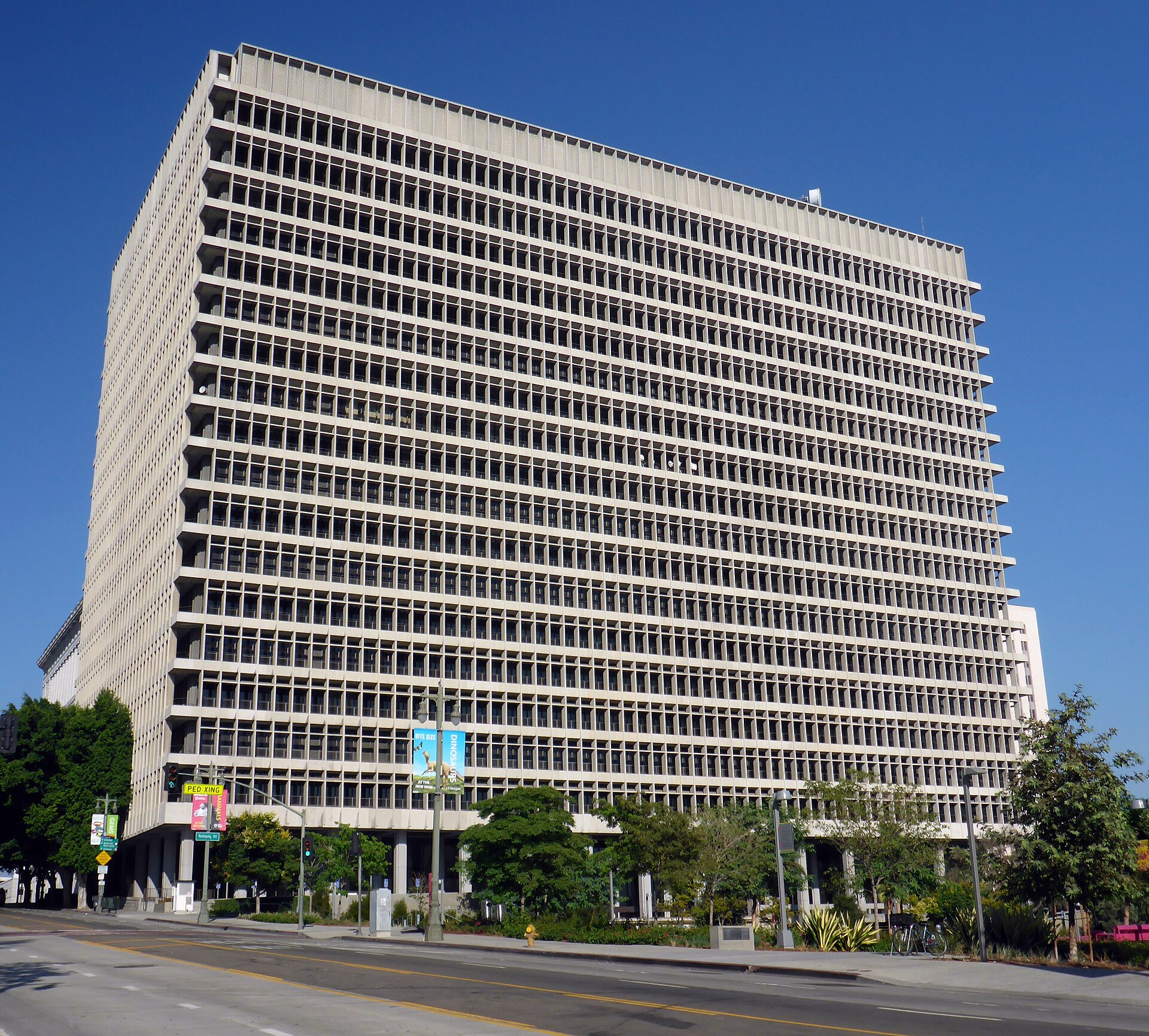
Every courthouse has significance that goes beyond real estate for adjudications. Courthouses embody justice, civic pride, and the rule of law for the community. The Clara Shortridge Foltz Criminal Justice Center is one of the noteworthy judicial edifices California has, tying the Los Angeles legal system and a pioneering woman in American law.
- Introduction
- The History of the Clara Shortridge Foltz Criminal Justice Center
- Who Was Clara Shortridge Foltz?
- Role in the Los Angeles Justice System
- Court Services and Functions
- Value of Architecture and Design
- Value of Public Access to Justice
- Legacy of the Name
- Current Problems in Justice Facilities
- Significance Today and Tomorrow
- Closing Statement
Located in Downtown Los Angeles, this building is an important edifice criminal courts service. It has the ability to reflect the long and rich legal history of Los Angeles while accommodating the needs of modern judicial and civic services.
This guide has the history, services, amenities, and legal significance of the Clara Shortridge Foltz Criminal Justice Center.
What is the Clara Shortridge Foltz Criminal Justice Center?
The Clara Shortridge Foltz Criminal Justice Center is a major courthouse that is part of the Los Angeles County Superior Court system.
The Center has the ability to address a variety of issues that fall within the realm of criminal justice and offers a location for legal practitioners and court participants, including defendants, victims, and witnesses.
The facility is essential in the operation of the criminal justice system as it provides locations for:
Court Hearings
Court Proceedings
Justice System Services
Public Access to Justice
The History of the Clara Shortridge Foltz Criminal Justice Center
The development of the Los Angeles Court system is closely related to the history of the Clara Shortridge Foltz Criminal Justice Center.
The courthouse was named after Clara Shortridge Foltz, a pioneer of the legal profession in California.
During Foltz’s career, she encountered and dismantled barriers and became a prominent supporter of the right to access justice.
Her influence on Courthouse naming acknowledges her impact on the evolution of legal systems and her legacy.
Who Was Clara Shortridge Foltz?
Clara Shortridge Foltz was the most prominent legal innovator in the history of California.
During the era in which women faced barriers to career access, Clara Foltz fought for women’s access to the legal profession.
Clara Foltz was the first woman to practice law in California and also:
Was a proponent of law reform for women
Proposed the concept of free legal defense
Supported the advancement of her profession
Improved the Justice System
She was influential in the establishment of the public defense system.
Role in the Los Angeles Justice System
The Clara Shortridge Foltz Criminal Justice Center fulfills a critical role in the Justice System of Los Angeles County.
The Center helps the justice process by offering:
Courtrooms for hearings and trials
Rooms for private counsel
Office space for court staff
Services for attorneys and court users
Center operations assist in the orderly processing of criminal cases.
Court Services and Functions
Most of the services offered by the Clara Shortridge Foltz Criminal Justice Center deal with the various phases of criminal processing.
These may be for:
Criminal Hearings
The center provides facilities for court appearances in criminal matters.
Legal Proceedings
Judges, attorneys, and other legal personnel utilize the center for various legal activities.
Court Services
Staff at the center assist in the management of records, calendars, and other legal necessities.
Public Participation
The center provides space for the public to attend and/or observe court proceedings.
Value of Architecture and Design
It is important to examine what a courthouse, including the Clara Shortridge Foltz Criminal Justice Center, shows about the values and history of the justice system.
A courthouse design must meet the requirements of:
Security
Access
Functionality
Service
The Design of Modern court facilities provides the legal process and the justice process the spaces they require.
Value of Public Access to Justice
The right to access the legal system is one of the cornerstones of the justice system, as illustrated by the Clara Shortridge Foltz Criminal Justice Center.
It is the function of the courts to provide the community a means of addressing legal questions and conflicts.
Public access encourages:
– Transparency
– Accountability
– Institutional trust
A functional courthouse is a key aspect of a just society.
Legacy of the Name
The name of the Clara Shortridge Foltz Criminal Justice Center has significance to history.
We can see the legacy of Clara Shortridge Foltz in the advancement of:
– Access to a lawyer
– Advocacy for all
– Progress in the justice system
Her legacy shows the public that the courts are a combination of laws and people who care enough to advocate for the improvement of society.
Current Problems in Justice Facilities
Like all major urban courthouses, the Clara Shortridge Foltz Criminal Justice Center engages in a multi-layered legal system.
Modern justice facilities face the demands of:
– Increasing numbers of cases
– Greater demands of safety and security
– New technologies
– Greater demands for public service
Courts must continually develop to meet the needs of the communities they serve.
Significance Today and Tomorrow
As the City of Los Angeles continues to grow the need for modern legal services will remain.
The Clara Shortridge Foltz Criminal Justice Center illustrates the balance of traditional legal services and modern needs.
The focus of future advancements in court systems may be:
– Better digital integration
– Greater accessibility
– More efficient and streamlined processes
– Improved public dialog
Closing Statement
The Clara Shortridge Foltz Criminal Justice Center is an important part of the legal system in Los Angeles. It is more than a courthouse. It honors justice and public service and the legal pioneer Clara Shortridge Foltz.
With its court services, community role, and connection to legal history, the center continues to support the ideals of fairness and access to justice. Its legacy embodies the collaboration of the many individuals, groups, and organizations needed to nurture the growth of a legal system.