
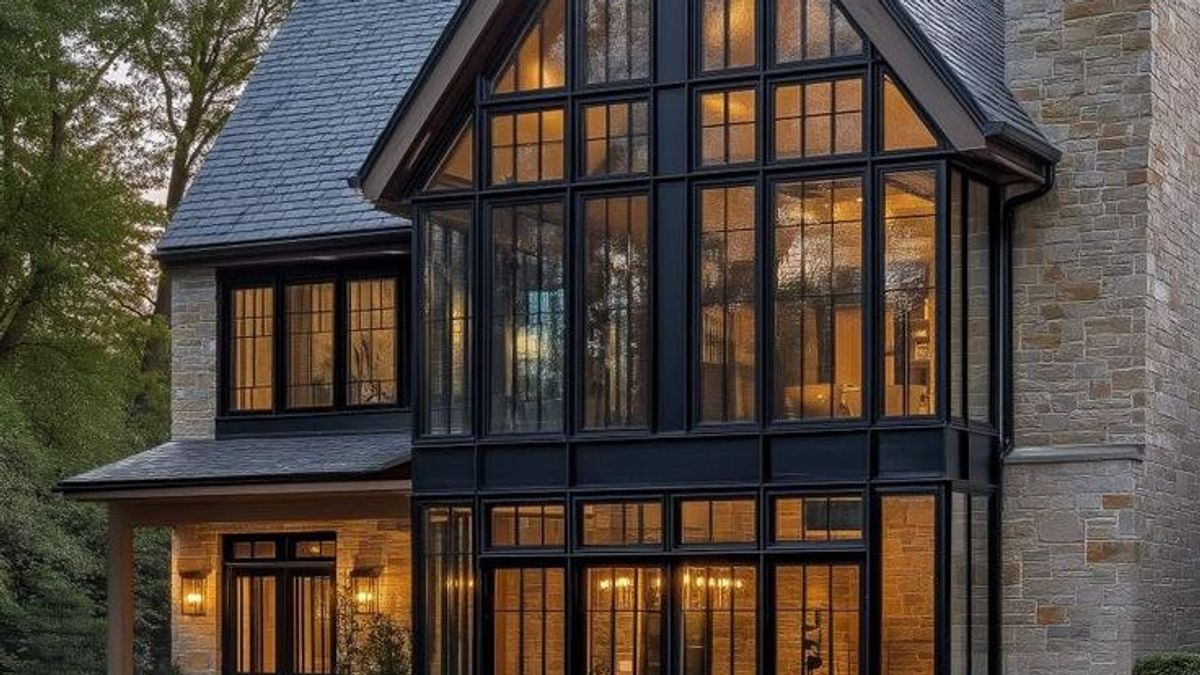

Introduction about
We can learn about history and culture by the different styles of architecture. Some become popular for a short time, while other styles endure and are admired for their character and appeal. Tudor style homes are an excellent example of classic home design. They are charming and historic and have some interesting design features.
Tudor style homes are cozy and create a warm, elegant, old-world charm. With Tudor’s style steeped roofs, half-timbering, and brick exteriors, they have enduring elegance. While Tudor style homes are inspired by medieval English homes, they have influenced modern home design.
This guide will help you understand Tudor style homes and their enduring popularity. We will explore Tudor style homes history, architecture, and features.
What are Tudor Style Homes?
Tudor style homes are modeled after the homes of England’s Tudor Period. This period lasted from the late 15th century to the early 17th century.
Tudor style homes can be identified by their medieval incorporating design elements, and modern residential features. Unlike Tudor homes of the period, homes that incorporate Tudor elements do so in a way that allows homes to be functional.
Some features include:
Tall windows
Large chimneys
Brick or stone exteriors
Asymmetrically designed homes
Decorative wood framing
Steeply pitched roofs
Each home can be identified and appreciated by their design features.
Tudor Style House History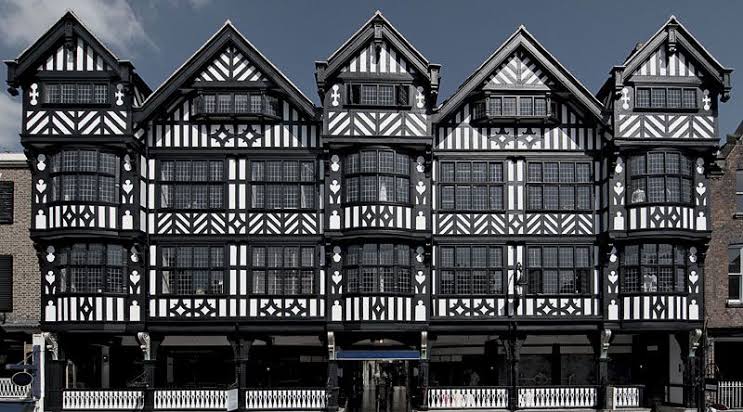
Tudor style houses date back to Medieval England, when homes were built using a Timber frame and local building materials, like plaster.
Houses from the Tudor period usually had:
Large fireplaces
Small windows
Thick walls
Steep protective roofs
Walls with exposed wooden beams
The style became linked with village homes and estate houses in the English countryside.
Tudor style design began to be used in the early 20th century by architects in the USA and other countries. Tudor designs began to incorporate modern building techniques and conveniences.
The Popularity of Tudor Revival Homes
The Tudor style home was one of the most popular styles of the 1920s and 1930s, especially in suburbia.
Tudor style homes were seen as:
Elegant
Traditional
Well built
Historic (to Europe)
Tudor Revival homes were built by homeowners who wanted distinct homes with elaborate designs, as opposed to homes built to a minimalist style.
Tudor Style Home Design Elements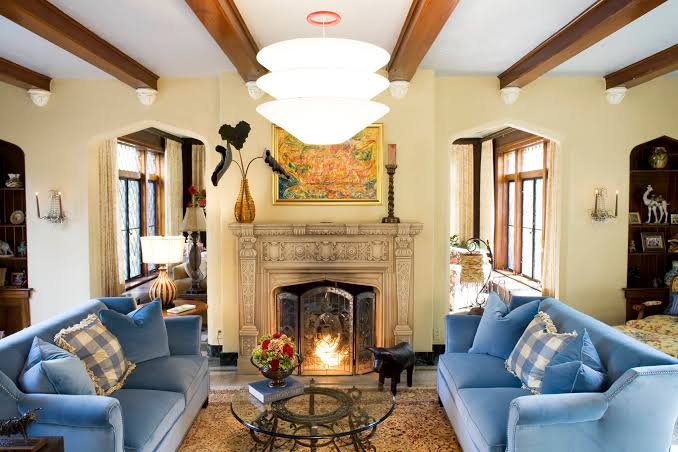
The design elements of Tudor style homes are what make them popular.
Steep Roofs
The style of construction of homes of Europe is reflected in Tudor homes with dramatic steep roofs.
Half-timbering
Tudor homes feature half-timbering. Patterns can be made with dark wooden beams on lighter plaster walls.
Brick/Stone Homes
Tudor homes are made to look strong and appear natural, so they are often made of stone and/or brick.
Tudor Home Windows
Tudor homes often have narrow, tall windows that can feature many small glass panes.
Tudor Home Chimneys
Tudor homes can feature large prominent chimneys that are historic in appearance.
Interior of Tudor Homes
The traditional character that is present on the exterior of Tudor style homes is often present on the interior as well.
Some characteristics of the Tudor style home interior can be:
– Exposed wooden beams
– Hardwood floors
– Stone Fireplaces
– Built-in shelves
– Dark wood
– Warm color palettes
These features of Tudor style home design can produce a cozy home and highlight craftsmanship and emphasis on natural materials.
Popularity of Tudor Style Homes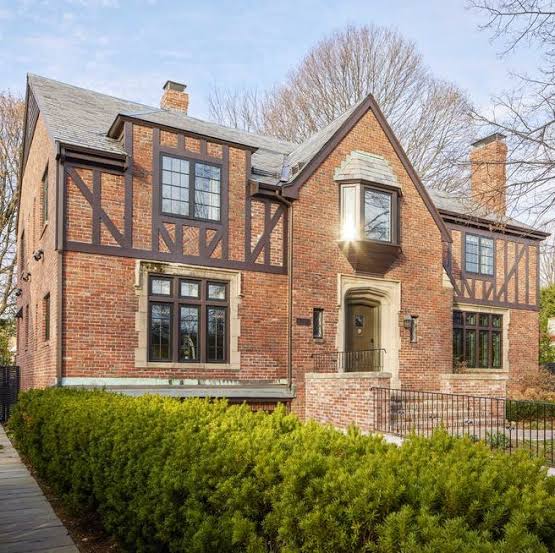
The modern popularity of Tudor style homes is related to their historical charm, and Tudor homes can feature fully functional living spaces.
Tudor style homes can be appreciated by homeowners because they can provide:
– Distinct Appearance
Unlike modern homes, Tudor style homes can feature many unique shapes and details.
– Cozy Atmosphere
The combination of traditional materials and the use of wood and fireplaces can provide a cozy atmosphere.
– Architectural Character
Tudor homes can exemplify craftsmanship and detail that is often missing in modern homes.
– Historic Connection
When living in a Tudor style home, there is the opportunity to connect with older architectural styles.
Traditionally Tudor homes are older and admired for their historical character. Modern Tudor homeowners often update them for a modern lifestyle. Improvements are commonly made to:
– Kitchens
– Windows
– Bathrooms
– Lighting
– Furniture
The goal is often to preserve the character of Tudor homes while making them more comfortable.
Problems With Tudor Style Homes
Owning a Tudor style home comes with extra challenges due to their age and construction style.
These include:
Needing constant maintenance of wooden features
Difficulty repairing old construction materials
Need for upgraded insulation
Challenge of maintaining old decorative details
Valuing the home and preserving its beauty requires regular upkeep.
Tudor Style Elements in New Design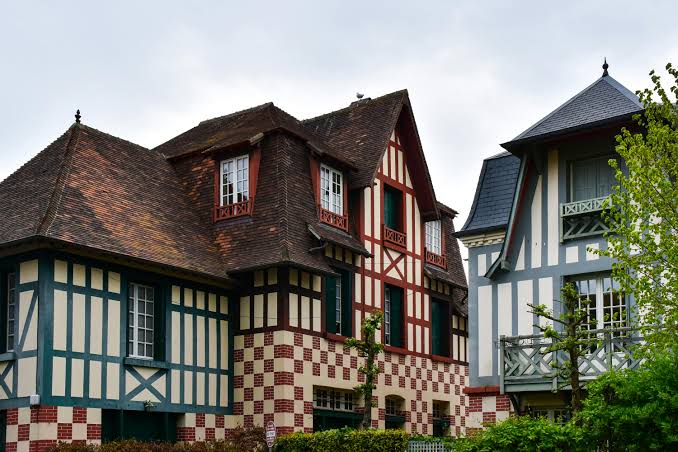
Architects and designers have not stopped using the Tudor style in construction.
Modern homes do not use every feature Tudor homes have, but they do use design elements that allow people to recognize the style.
Recently constructed homes do have Tudor style features, but generally have:
Timber framed elements on the outside
More modern layouts
The integration and use of modern construction techniques and inventions
The ability of old style architecture to combine with modern ways of living is evident.
Tudor Style Homes in Review
The craftsmanship that Tudor style homes required from the first timber framed homes to the last Tudor Revival homes demonstrates Tudor style home’s beauty.
With their detailed timber frames, steep roof lines, and distinctive warm interiors, Tudor style homes are one of the favorite style of homes. Tudor style homes inspire current and future homeowners with their ability to blend historical elements and modern detail.