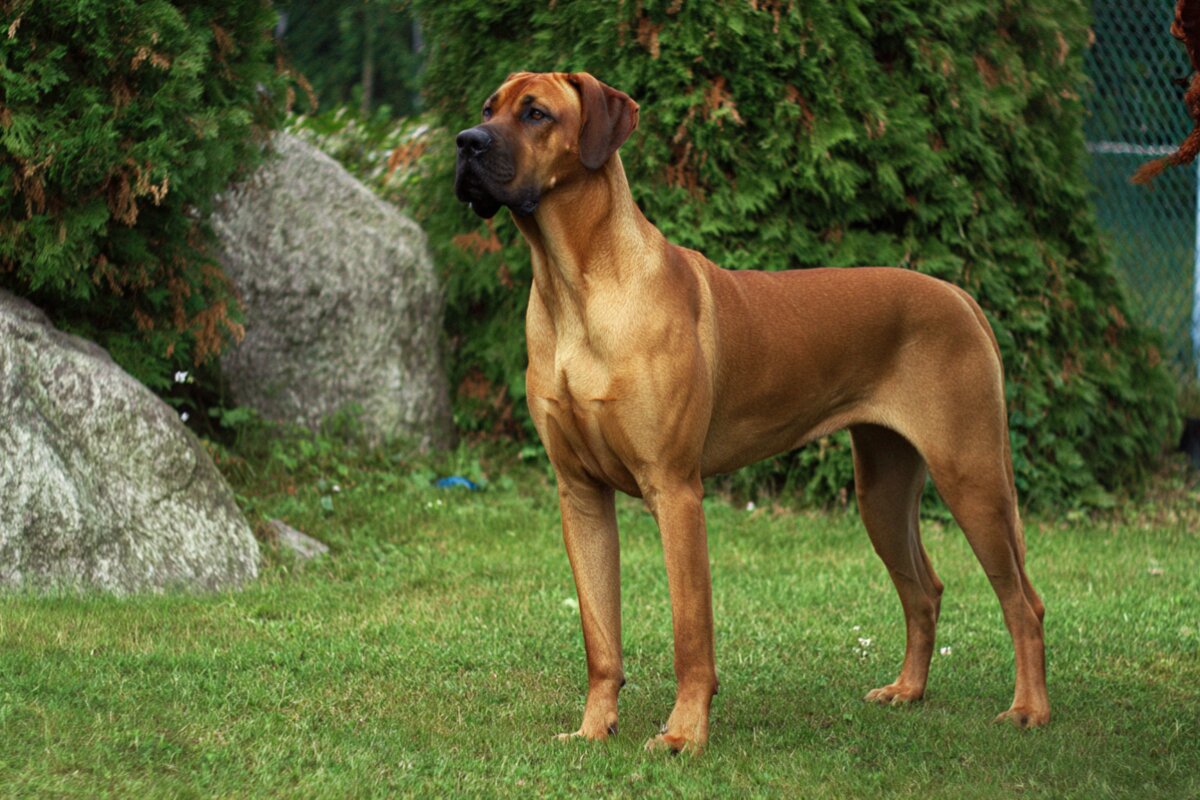

Introduction about the Tosa I n u
For thousands of years, dogs have bonded with humans. Each breed showcases the unique characteristics influenced by their history and the roles they served. Tosa I n u dogs stand apart with their origins in Japan, their majestic build, their calm temperament, and their connection with a culture that still thrives today.
The Tosa I n u is one of the most unique dog breeds that Japan has to offer. Developed for a dog that could work, be disciplined, and be loyal, their calm and powerful nature draws attention. Learning about their history and the type of care they need adds to the appreciation of this wonderful breed.
The goal of this detailed guide is to teach you about the Tosa I n u dog breed’s history, personality, and training, along with the characteristics that make them unique.
The Origins of Tosa I n u
As the name suggests, the Tosa I n u has its origins in Japan, and specifically in the Tosa region, located on Shikoku Island.
At the start of the 19th century, the goal of Japanese breeders was to construct a breed of dog that was more athletic and stronger by crossing the native dogs with various Western dog breeds, while still keeping in mind everything that the Japanese held in high regard.
As breed development continued, a variety of dogs influenced the development of the Tosa I n u, such as:
European mastiff-type dogs
Bulldogs
Bull terriers
Various other large working breeds
The power and discipline of the Tosa I n u began to flourish and they became a dog of great Japanese pride and identity.
Appearance and Physical Characteristics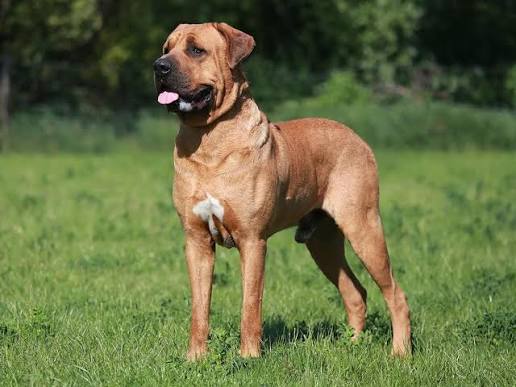
The Tosa I n u is a dog breed with a strong and athletic body. Working dogs typically have bodies that reflect their purpose and Tosa I n u are no exception. Many of their physical body characteristics include:
A large and muscular body
A broad head
A strong jaw
A short and dense coat
A powerful build with an alert expression
Depending on the genetics and breeding lines, Tosa I n u can vary in size. The Tosa I n u that are bred in Japan are usually smaller than the Tosa I n u that are bred in other countries, and the dogs that are bred in other countries can be larger than the ones bred in Japan.
Even with their size, Tosa I n u that are well trained tend to have a behavior that is very controlled and balanced.
Personality and Temperament
If you are interested in getting a Tosa I n u, you must know their personality.
The Tosa I n u is described by many as being:
Loyal
Patient
Calm
Intelligent
Protective
Confident
They form strong bonds with their owners and with the proper training and socialization, can be family members.
They can be serious and reserved, but many of the Tosa I n u are gentle and trusting towards people that are close.
Intelligence and Learning Ability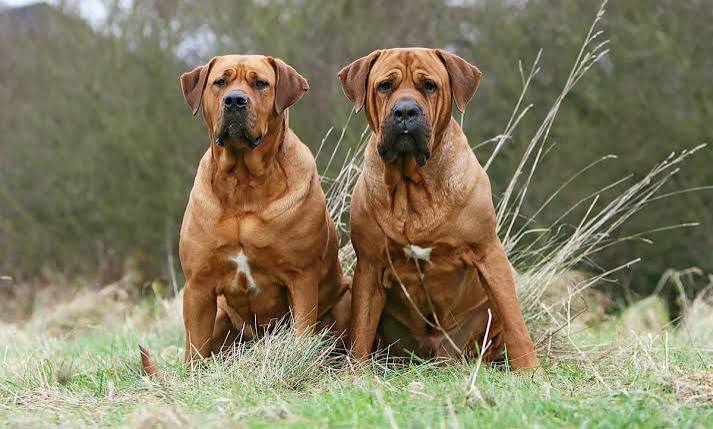
A good attribute about the Tosa I n u is that they are a very intelligent breed able to learn commands. They are very independent, so training requires a lot of patience.
In order for the training to be successful, it must be positive, early, and practiced. It is very important to note that Tosa I n u are a confident breed, so the training must start as early as possible. Training a Tosa I n u is very important as they are a large breed.
Owners should focus on:
Early Socialization
Confidence in a Tosa I n u grows positive with socialization in varying environments and with different people and experiences.
Consistent Leadership
Clear and firm directions allow a Tosa Inu to understand and accept boundaries.
Obedience Training
Due to the size and strength of a Tosa Inu, basic obedience is a primary concern.
Training should emphasize the needs of the dog over the use of harsh treatment.
Exercise and Activity Needs
Despite its calm nature indoors, the Tosa Inu needs sufficient exercise.
An adequate regime of exercise includes:
Walks
Outdoor exercise
Training
Activities needing mental focus
Balance both physical and mental health with adequate exercise.
Grooming and Care Requirements
Tosa Inus have short coats that need little upkeep.
Basic grooming includes:
Brushing
Baths
Trimming nails
Cleaning ears
Caring for teeth
The large size of the Tosa Inu calls for consideration of their nutrition and joints, as well as routine check-ups.
Living With a Tosa Inu
Given the right owners, a Tosa Inu is a magnificent and loyal companion.
This breed is most suited to those with knowledge of:
Large dog ownership
Training
Socialization
The breed
Providing a nurturing and stable environment along with experienced management is essential for the Tosa Inu.
Cultural Importance of Tosa I n u
The Tosa Inu is an integral element of both the history and culture of Japan.
Discipline, patience, and tradition come to mind with this breed. It comes to the credit of Japan’s long history and traditions of valuing their carefully bred working dogs.
TheTosa Inu connects modern dog ownership to Japan’s dog breeding traditions.
Tosa Inu Once bred to dominate, these dogs carry unique qualities.
Calm and Confident
Breeds with daily calm assertive personalities.
Strong Loyalty
Tosa I n u Have dogs that are deeply attached to the owners.
Impressive Presence
They are one of the most largest and most Japanese dog breeds.
Intelligent Nature
They can easily adapt as well as learn training.
Conclusion
A powerful appearance and a loyal personality make the Tosa I n u a breed with rich Japanese heritage fascinating. While the breed requires a well and thoughtful ownership, it can become a devoted and impressive companion.
The history and the nature and traits of the Tosa I n u help understand that this breed has a long tradition of dogs that go beyond their physical strength of discipline, loyalty, patience and traditions of the deep relations between humans and dogs to understand.