

Introduction
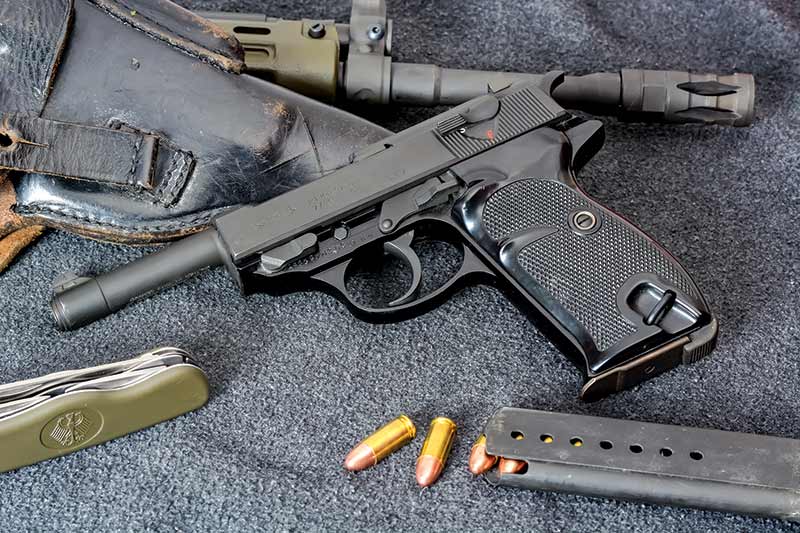
The P38 is a sophisticated piece of design that showcases innovative mechanical principles and design aesthetics. For this reason, it stands amongst the other innovative designs. This German pistol is one of the most important pieces of the narrative surrounding the design of modern firearms.
The P38 is a landmark piece of the history of 20th century firearms, and its legacy will continue to be of interest to the historian, firearms collector, and technology enthusiast alike.
In this guide, we will cover the history, design, and features of the Walther P38 as well as its significance.
The Development of the Walther P38
In the 1930s, the German Army replaced its standard sidearms and began looking for a modern replacement. The new sidearm had to be an advanced design heavily based in the principles of mechanical reliability.
Carl Walther GmbH began the development of the P38 in 1938 (hence the designation P38).
The P38 had a radically different design from its predecessors, and through its development, its design principles and features won it the title of standard sidearm of the German Armed Forces of WWII.
Development and Purpose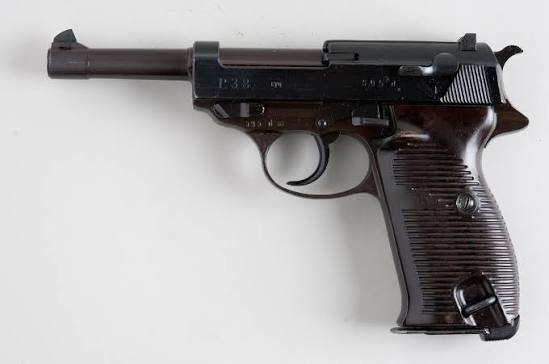
Development of the Walther P38 aimed to add to the reliability and safety of firearms, while making them easier to use. At the time of its development, military organizations demanded a pistol that was the product of modern engineering, and that would deliver:
Dependability
Ease of use
Quick manufacture
The P38 was designed to meet all of these criteria, and allowed the designers to incorporate new ideas and concepts that had not been utilized in the design and manufacture of previous handguns.
Its design and development innovatively advanced the design of semi-automatic handguns.
Design and Engineering Features
The P38 is historically significant because of its innovative design and the engineering concepts that the designers incorporated, which influenced later designs of firearms.
Double-Action Mechanism
The P38 was one of the first service pistols to design and incorporate a double action mechanism that allowed the pistol to be fired after being loaded without having to set the mechanism as was done for many of the earlier service pistols.
This is a feature that is now designed into most semi-automatic pistols.
Locked-Breech System
The P38 used a locked-breech operating system, which was designed to enhance the reliability of the system and the control of the operating forces. This system was designed to control the operating forces of the system.
This system was designed to control the operating forces of the system.
Safety Features
In addition to the safety features that minimize the risk of the pistol being accidentally fired were designed to enhance the control of the pistol. This was a design feature that was advanced for its time.
Production and Historical Use
Following its adoption as the standard military sidearm of the German military, the P38 became associated with World War II.
Many of these pistols were made during the war. Even after the war, with continued production, the design continued to play a vital role in military and historical discourses.
The pistol was adopted by different organizations during different times and came to be regarded as a major milestone of German engineering.
Post-War Legacy of Walther P38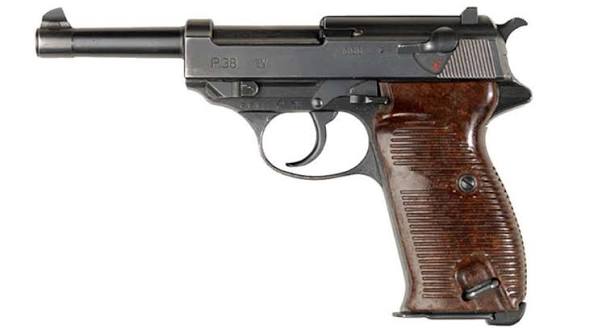
The Walther P38 continued to have post-World War II influence.
The design of the P38 has helped influence the design of subsequent semi-automatic pistols. The engineering design of the P38 demonstrated how a design can integrate mechanisms with a high level of practicality and be of great utility.
In the world of collecting, the P38 has also been very valuable since it relates to the history of the 20th century and the development of modern firearms.
Collecting and Historical Interest
Walther P38s are, today, very important to people interested in the history of warfare and people who enjoy collecting pieces of history and engineering.
Prospective collectors often consider aspects such as:
Condition
Era of production
Manufacturer
Historical inscriptions
Documentation
In addition to being a very important collectible, the P38 is the subject of considerable research since it played a role in the evolution of handgun design.
Influence on Modern Firearm Design
The legacy of the Walther P38 is not limited to the period of time in which it was manufactured. The P38 was the first to use
Advanced safety features
Double-action systems
Contemporary designs
The period during which the P38 was developed and manufactured also saw further refinements and development of design concepts for pistols.
The P38 also set the benchmark for what modern service pistols should be able to offer.
Cultural and Historical Significance
The Walther P38 integrates an innovative mechanism and reinforces a strong connection with historical events that punctuated the 20th century.
Its historical importance intertwined with the technological domain earned it a place in the studies of Military History, the History of Technology and Industry, and the History of Engineering.
It tells the story of the relationship between technology and the changing times and the problems that the times posed.
Conclusion
The Walther P38 is a design that stands out in the history of semi-automatic pistols. The engineering and design of the P38 left a mark on the History of Firearms.
The P38 is the result of an intelligent design and engineering work that began in the late 1930s and is still present today due to the interest shown by historians and collectors. Its history is a testimony of its influence in the Field of Technology and its Historical Importance.