
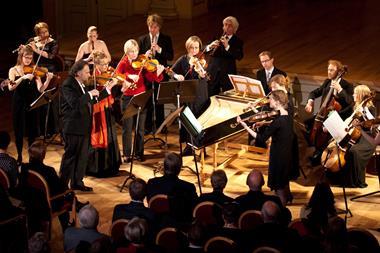

Introduction the Historically Informed Performance
Music evolves and changes over time, and so do the traditions and practices of the culture that creates it. Those changes and practices affect the technologies that join the process of music making and the sounds that are produced. Over the course of music history, styles and ways of interpreting music have changed. Enter historically informed performance. Those who engage in historically informed performance seek to understand the practices and techniques of the era in which the music was created, and re-present music as it would have been done in that period.
- Introduction the Historically Informed Performance
- Old or current artworks displays of musical practices
- The Origins of Historically Informed Performance
- The Importance of Historical Research
- Musical Systems
- Performance Systems
- Instruments of the Time
- The Context of the Music
- Use of Period Instruments
- Techniques Applied in Historically Informed Performance
- Historically Informed Performance and Authenticity
- Impacting Classical Music Today
- Why Is Historically Informed Performance Important?
- Keeping old paths
Historically informed performance is a musically creative practice that embraces the use of historical techniques and practices, as well as research and original instruments, to make old music in the way it was meant to be done in that period, past, and gone.
What Is Historically Informed Performance?
Historically informed performance is a practice that performs historical pieces of music in a way that suggests the style of that original era through the conditions of that original era.
The participants of historically informed performance study different and various historical sources such as:
Old musical manuscripts
Old performance writings
Old period instruments
Old performance writings
Old or current artworks displays of musical practices
The intention is to develop an interpretation grounded in evidence of that time period, and the time and place of the composer, as best one can, since it is impossible to recreate an original.
The Origins of Historically Informed Performance
Historically informed performance started to develop in the 19th and early 20th centuries when the older musical traditions began to attract the attention of musicians and musicologists alike.
Usually, historical compositions were played with modern-day techniques and instruments. It became questionable if those techniques Foley’s played at the time were accurate to what the composer had in mind.
In the 20th century, the movement gained even greater popularity as attempts to recover Renaissance, Baroque, and Classical music performance gained traction.
Original instruments, historical tuning, and old performance methodologies were all used. This sparked a new methodology and changed audiences’ appreciation of early music.
The Importance of Historical Research
Historically informed performance relies heavily on research. Musicians look beyond modern-day interpretations and customarily examine and locate music within its context.
The investigation of the following is essential for performing historical music:
Musical Systems
Composers from history often wrote music with a particular system of notation that would require the musician to know what the symbols meant.
Performance Systems
There were different approaches and methodologies for rhythm, expression, and phrasing that varied throughout the different time periods.
Instruments of the Time
Composers of the past had custom instruments and historically informed performance attempts to use instruments that resemble those to recreate the quality of sound.
The Context of the Music
Researching the time in which the piece was written aids in determining what may have significantly impacted the piece.
Use of Period Instruments
Using instruments from the specified time in history is one of the most distinguishing aspects of historically informed practice.
Historical instruments often show notable differences when compared to their modern counterparts as they relate to:
Tone quality
Volume
Techniques
Musical expression
Baroque violins, historical keyboards, and natural horns sound different to modern ears. Playing these instruments gives performers a closer to modern audiences view of what can be offered to bygone audiences.
Techniques Applied in Historically Informed Performance
HIP practitioners employ a number of techniques when attempting a historically correct interpretation of a piece.
Historical Articulation
Musical expression can be greatly altered by the way in which notes are started, connected, and separated. Performance study places a significant focus on historical approaches to articulation.
Ornamentation
Musical forms of the past often placed the responsibility of added decorations and variations on the performer. Identifying the correct ornamentation is a key factor for HIP.
Historically informed performance examines expression of musical form and style as outline by historical texts.
Tempo and Rhythm
In a number of historical texts, indications and suggestions of how music is to be performed determine its tempo and rhythm and how freely it may be executed.
Vocal Style
Research is done concerning early vocal performance in relation to a historically accurate technique of expressive vocal utterance.
Historically Informed Performance and Authenticity
Of all the aspects of historically informed performance, authenticity is the most debated.
Some argue that authenticity entails true to history replication of sound. For most musicians however, HIP is a means of pursuing informed interpretations as opposed to historically accurate forgeries.
Due to the fragmentary nature of the past, an informed artistic judgment is essential. It is not the aim to recreate the past. It is the intention to engender a work of art that accurately documents history while having significance to today.
Impacting Classical Music Today
Historically informed performance has greatly influenced classical music.
It has transformed the audience’s experience of the works of composers like:
Johann Sebastian Bach
George Frideric Handel
Wolfgang Amadeus Mozart
Claudio Monteverdi
An array of orchestras and ensembles now apply historically informed methods in their performances, recordings, and teaching.
The movement has inspired musicians to investigate unknown composers and explore neglected musical practices.
Why Is Historically Informed Performance Important?
Historically informed performance is important for more than just reviving old sound worlds. It assists contemporary audiences in stimulating the ways of thinking artistically that were used in the past to construct the framework of the music.
It supports:
More knowledge of composers
More love for fragments of and for the history of music
More ways to look at old compositions
Keeping old paths
The past can assist musicians in finding new modalities of experiencing and communicating the music of all times.
Historically Informed Performance is the ultimate connection of the past, history, research, and the imagination of the musicians. It combines old instruments and methods of old cultures to lend new meaning to old music.
What is now referred to as traditionally informed music, stems from the retrieval of the past sounds and artistic intentions. Today, traditionally informed music has the largest impact on Classical music, allowing audiences to connect and listen in ways that they never were able to before.