

Exploring the Response Boat-Small
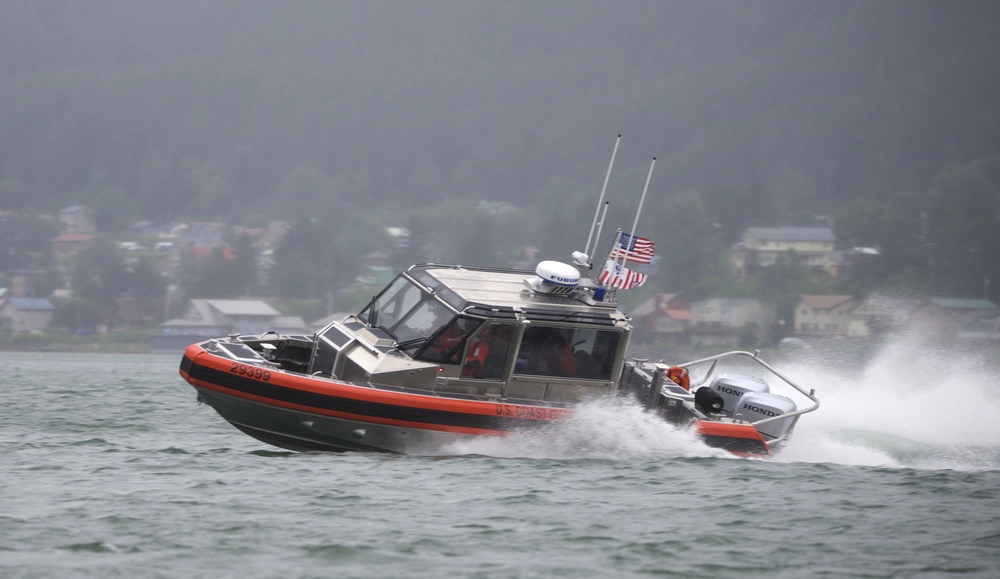
Today’s maritime operations call for fast, reliable, specially designed vessels. The Response Boat-Small is one of those vessels, and it plays an essential role in search and rescue operations, as well as law enforcement and coastal security operations.
- Exploring the Response Boat-Small
- Response Boat-Small Development and History
- As maritime challenges evolved, agencies required boats that could:
- Design and Construction
- Flexibility and Size
- Speed
- Reliability of Construction
- Crew Centric Design
- Response Boat-Small Features
- Search and Rescue Operations
- The Response Boat-Small can assist in operations for:
- Environmental Response
- Advantages of Response Boat-Small
- Fast Emergency Response
- Operational Flexibility
- Cost Efficiency
- Response Boat-Small’s Safety Response
- Importance of Response Boat-Small in Contemporary Maritime Operations
- Response Boat-Small Technology of the Future
- Final Thoughts
Many maritime agencies have begun to rely on Response Boat-Small vessels, and for good reason. Response-Boat-Small vessels are designed to be flexible and efficient, and of compact design, servicing areas where larger vessels cannot.
This guide will provide analysis on the Response Boat-Small’s history, design, features, missions, and importance to the maritime domain.
Response Boat-Small Defined
Specialized small patrol and response vessels, such as the Response Boat-Small, are purpose built, compact vessels that are designed for special safety and security maritime operations.
As the name suggests, larger ships have the capacity to sustain lengthy missions that are less time critical. The Response Boat-Small was built for short, time-critical missions that sustain rapid, frequent coastal operations.
These vessels are built to support professionals who need a dependable platform for emergency response, enforcement activities, and public safety missions.
Response Boat-Small Development and History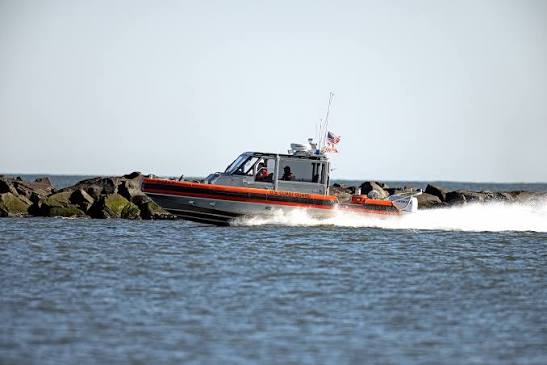
The Response Boat-Small was developed in order to replace aging, less capable small craft that designed for the same maritime operations.
As maritime challenges evolved, agencies required boats that could:
Respond faster
Be easier to maneuver
Keep the crew safer
Be more flexible
Engineering innovations allowed designers to develop smaller, faster boats.
The Response-Boat-Small builds on the engineering innovations allowing speed in smaller vessels, and the modern maritime need for rapid and reliable action.
Design and Construction
The Response Boat-Small is designed to be tough and perform well, while still being flexible and easily maneuvered.
Flexibility and Size
The Response Boat-Small’s compact design is one of its biggest benefits. The Response-Boat-Small is able to navigate areas that other, larger vessels cannot, like narrow waterways and many harbors.
This design feature is important because it allows the crew to respond very quickly to time-critical situations.
Speed
The Response Boat-Small’s high-speed performance is important for the boat’s ability to meet the demands of both rescue and security missions. The design of the Response-Boat-Small allows for fast acceleration and movement to cover large distances quickly.
Reliability of Construction
The Response-Boat-Small is designed to be tough and withstand the many challenges of the maritime environment. The Response-Boat-Small’s construction focuses on strong materials and advanced construction techniques to improve the Response-Boat-Small’s reliability for tough conditions.
Crew Centric Design
The design of the Response-Boat-Small is crew-centric and focuses on how the crew can best complete their operational tasks. This design feature is accomplished by the intentional design of equipment, seating, and controls.
Response Boat-Small Features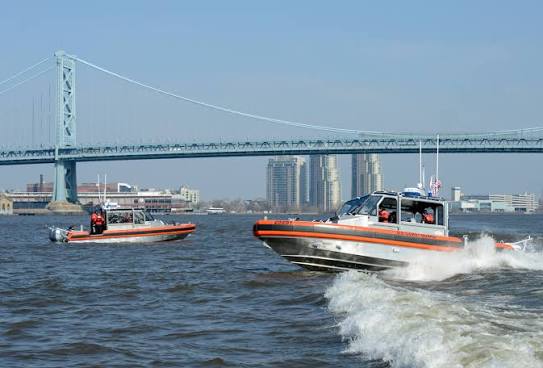
The Response Boat-Small has many features that support the many complex requirements of professional maritime operations.
Some of these features include:
Advanced navigational aids
Communication equipment
High-performance propulsion systems
Emergency response gear
Enhanced visibility
Adjustable deck space
The Response-Boat-Small is designed to allow for many flexible mission profiles.
Missions and Applications
The Response-Boat-Small’s multifunctionality allows it to support a variety of maritime missions.
Search and Rescue Operations
Response-Boat-Small’s primary function is its use in assistive rescue operations. The speed and agility of the Response-Boat-Small allows rescue operations to reach and aid the necessary individuals in the rescue of assistive operations.
The Response Boat-Small can assist in operations for:
Distressed boaters
Water emergency situations
Coastal emergencies
Maritime Transportation Emergencies
Maritime Law Enforcement
The Response Boat-Small is a vessel that can be utilized for security and law enforcement operations. The ability and capacity of the Response-Boat-Small allows law enforcement to patrol and monitor the waterways and be the first responders to an incident.
Environmental Response
The Response-Boat-Small is also able to assist in environmental incidents that may require a swift response to impacted areas.
Advantages of Response Boat-Small
The Response-Boat-Small is popular due to many significant benefits.
Fast Emergency Response
The speed and agility of the Response-Boat-Small and its crew allows and can aid response operations quickly.
Operational Flexibility
Response-Boat-Small’s small size allows and aids it to perform missions and operations in locations that may be inaccessible to larger vessels.
Cost Efficiency
In comparison to larger maritime vessels and Response-Boat-Small, larger response boats demand and require a greater economic and resource commitment.
Response Boat-Small’s Safety Response
The modern focus of vessel architecture and design is of high concern and focus for crew protection and safety, response time, stability, and efficient performance of the Response-Boat-Small.
Importance of Response Boat-Small in Contemporary Maritime Operations
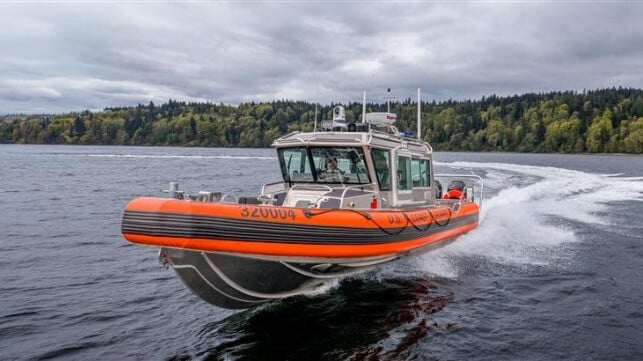
The Response Boat-Small meets the needs of most maritime operations for safety, security, and rapid response of and for the Support Services and Operations that the Response-Boat-Small is designed for.
Speed, technology, and flexibility are necessary in modern naval operations. This combination is one of the reasons why this technology is so important.
The boats have the capabilities needed to respond to emergencies, assist with law enforcement, and enforce the protection of borders.
Response Boat-Small Technology of the Future
The Response Boat-Small of the future may be outfitted with further advanced navigation, communication, and safety technology features, and may be more fuel efficient.
Marine technology continues to develop the most efficient means of transportation.
Final Thoughts
The Response-Boat-Small is an example of the advancement of technology to respond. The flexibility of the Response Boat-Small is catered to a variety of operations: rapid response, rescue, enforcement, and security.
The Response-Boat-Small is a critical asset in a first responder’s operational arsenal. It reinforces the fact that with the introduction of specialized vessels to modern operations, maritime technology improves safety and response to critical situations.