
Introduction the Electroslag Remelting
In modern manufacturing, producing high-quality metals with exceptional strength, durability, and reliability is essential for industries such as aerospace, energy, automotive, and engineering. One advanced technology that helps achieve these demanding standards is electroslag remelting (ESR).
- Introduction the Electroslag Remelting
- How Does the Electroslag Remelting Process Work?
- 1. Preparation of the Electrode
- 2. Formation of Molten Slag
- 3. Controlled Metal Solidification
- 4. Final Refinement
- Benefits of Electroslag Remelting
- Improved Metal Purity
- Enhanced Mechanical Properties
- Better Surface Quality
- Increased Structural Uniformity
- Reduced Defects
- Industrial Applications of Electroslag Remelting
- Aerospace Industry
- Power Generation Industry
- Tool and Die Manufacturing
- Automotive Industry
- Medical Equipment Manufacturing
- Electroslag Remelting vs Traditional Metal Processing
- Future of Electroslag Remelting Technology
- Conclusion
Electroslag remelting is a specialized refining process used to improve the quality of steel and other metal alloys. It removes unwanted impurities, enhances material properties, and produces cleaner metals with better mechanical performance. Because of its ability to create premium-grade materials, ESR has become an important process in industries where safety and precision are critical.
What Is Electroslag Remelting?
Electroslag remelting is a secondary melting process used to refine metals after their initial production. In this process, a previously manufactured metal electrode is melted again through a controlled process using electrical energy and a molten slag layer.
The main purpose of ESR is to improve the chemical composition, cleanliness, and structural quality of metals. During remelting, impurities are separated and removed, resulting in a more uniform and high-performance material.
Unlike traditional melting methods, electroslag remelting provides greater control over the final properties of the metal, making it suitable for producing specialized alloys used in challenging environments.
How Does the Electroslag Remelting Process Work?
The electroslag remelting process involves several important steps to achieve high-quality metal production.
1. Preparation of the Electrode
The process begins with a metal electrode created through conventional melting methods. This electrode contains the alloy composition that needs further refinement.
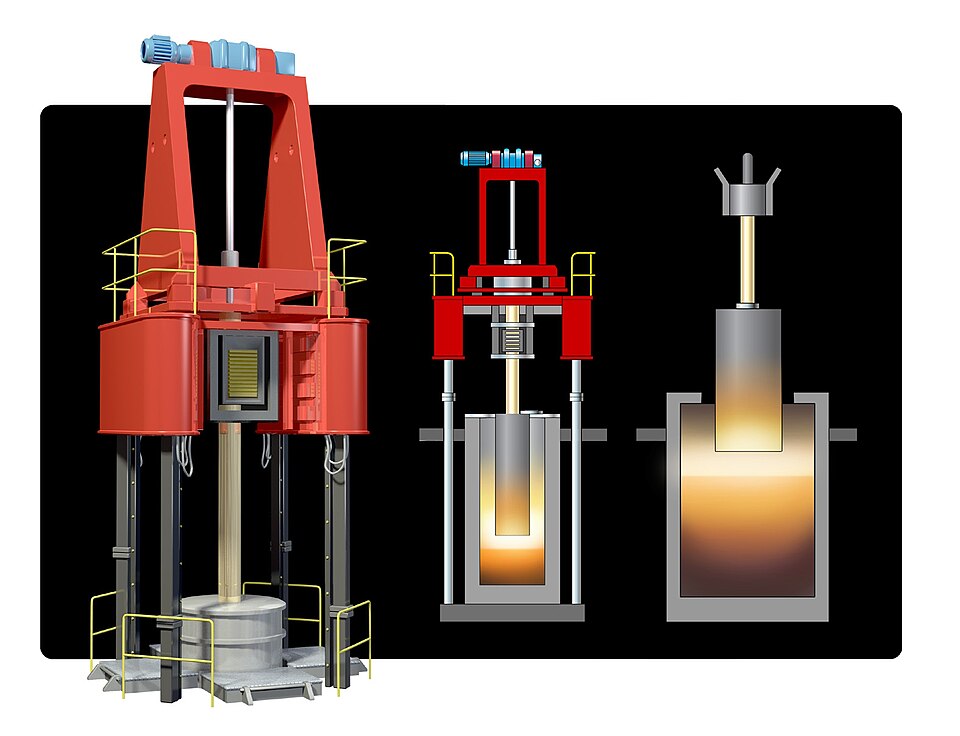
The electrode is positioned vertically above a water-cooled copper mold, where the remelting process takes place.
2. Formation of Molten Slag
A layer of specially selected slag material is placed inside the mold. When an electric current passes through the slag, it generates heat and melts the electrode.
The molten slag acts as both a heating medium and a refining agent. It absorbs impurities from the melting metal and helps improve the overall quality of the alloy.
3. Controlled Metal Solidification
As the electrode melts, droplets of refined metal pass through the molten slag and collect at the bottom of the mold. The metal gradually solidifies into a new ingot.
The controlled cooling process creates a dense and uniform structure with improved mechanical properties.
4. Final Refinement
After cooling, the newly formed ingot contains fewer defects, reduced impurities, and improved consistency compared to the original material.
Benefits of Electroslag Remelting
The popularity of electroslag remelting comes from the many advantages it provides over conventional metal production methods.
Improved Metal Purity
One of the biggest benefits of ESR is its ability to remove harmful impurities and non-metallic inclusions. Cleaner metal results in better strength, reliability, and resistance to failure.
Enhanced Mechanical Properties
Metals produced through ESR often have improved toughness, fatigue resistance, ductility, and overall performance. These properties are especially important for components exposed to extreme conditions.
Better Surface Quality
Electroslag remelting produces ingots with excellent surface quality and fewer internal defects. This reduces the need for additional processing and improves manufacturing efficiency.
Increased Structural Uniformity
The controlled melting and cooling process creates a consistent grain structure throughout the material. This uniformity improves the durability and predictability of the final product.
Reduced Defects
ESR helps minimize problems such as cracks, segregation, and unwanted inclusions, making the material more reliable for critical applications.
Industrial Applications of Electroslag Remelting
Because of its ability to produce high-performance metals, electroslag remelting is widely used across several industries.
Aerospace Industry
Aircraft components require materials that can withstand extreme temperatures, pressure, and mechanical stress. ESR-produced alloys are used in critical aerospace parts where reliability is essential.
Power Generation Industry
Power plants, including nuclear and thermal facilities, require strong materials for turbines, pressure vessels, and other high-stress components. ESR helps produce metals capable of operating safely under demanding conditions.
Tool and Die Manufacturing
High-quality tool steels created through ESR offer improved wear resistance and longer service life, making them valuable for manufacturing tools, molds, and industrial equipment.
Automotive Industry
Advanced automotive components often require lightweight yet strong materials. ESR technology helps produce alloys with improved performance and durability.
Medical Equipment Manufacturing
Certain medical devices and surgical instruments require high-quality stainless steels and specialty alloys. Electroslag remelting helps ensure these materials meet strict quality standards.
Electroslag Remelting vs Traditional Metal Processing
Traditional metal production methods can leave behind impurities and structural weaknesses. Electroslag remelting provides an additional refining stage that improves the quality of the final material.
While ESR may involve higher processing costs, the improved performance, reliability, and longer service life of the resulting materials make it valuable for industries where failure is not acceptable.
Future of Electroslag Remelting Technology
As industries continue to demand stronger and more reliable materials, the importance of electroslag remelting is expected to grow. Advances in automation, process control, and material science are helping make ESR more efficient and precise.
With increasing requirements for high-performance alloys in aerospace, energy, and engineering applications, ESR will continue to play an important role in modern metallurgy.
Conclusion
Electroslag remelting is a powerful metallurgical process that improves the quality, strength, and reliability of metals used in critical industries. By removing impurities, refining alloy structures, and creating superior materials, ESR helps manufacturers meet demanding performance requirements.
From aerospace components to industrial tools and power generation equipment, electroslag remelting continues to support the development of safer, stronger, and more advanced metal products. Its combination of precision, efficiency, and quality improvement makes it one of the most valuable technologies in modern metal manufacturing.