
Yukata Meaning, History & Cultural Importance
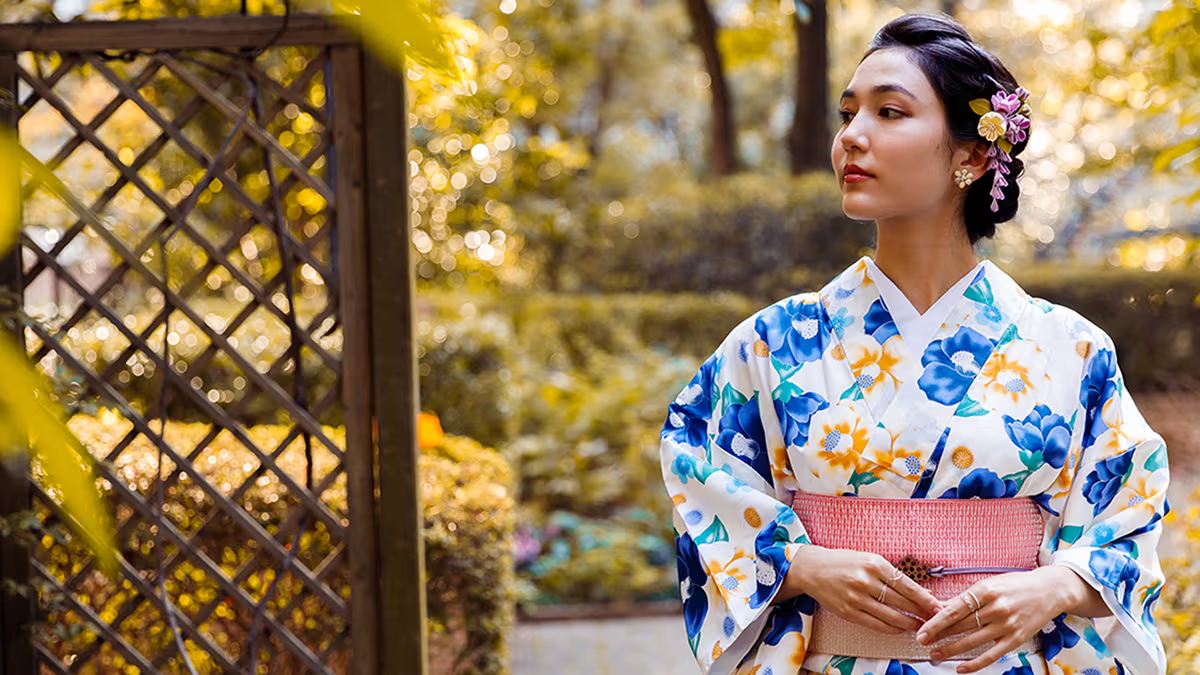
This dress is an essential feature of summer-style traditional Japanese clothing. Easy to wear, comfortable and lightweight, this casual traditional garment is now popular among both locals and tourists who wish to engage with Japanese culture in a fashionable way.
What is a Yukata?
Yukata (浴衣), like a summer kimono, is usually constructed of lightweight cotton or synthetic fabric. The translation of the word “yuketa,” literally stands for “bath clothes.” This name is a reflection of the initial use for this garment, which was to cover the body post bathing at public bathhouses.
Unlike the formal kimono, yukata are unlined, lightweight, simpler to wear, and are therefore less expensive, casual, and more commonly worn. Summertime yuketa are now most often worn during festive occasions, seasonal activities, and leisure.
History of the Yukata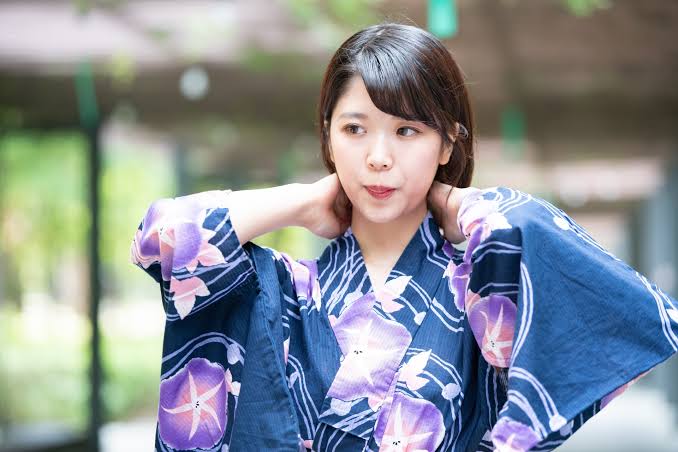
The yukata has its origins in the Heian period (794-1185) of Japanese history. Simple garments made of linen, which could be worn after bathing, were the privilege of aristocrats and steams baths. This custom spread to the Samurai, and eventually to the rest of the population. By the Edo period (1603-1868), all classes of society had access to cotton yuketa, which had become popular summer wear.
Today, yuketa are prominent cultural symbols in regard to traditional Japanese summer activities.
Yukata vs Kimono
First, yuketa are often confused with kimonos. Why is this?
Yukata are made from cotton; kimonos are made from silk and other heavy fabrics.
Yuketa are casual; kimonos are formal.
Yukata are unlined; kimonos usually have multiple layers.
yuketa are made for summer festivals; kimonos are made for formal ceremonies.
Yuketa are more contemporary and relaxed versus formal Japanese clothing.
Wearing a Yukata
At first, yuketa may appear complicated to wear, but after some practice, is fairly simple.
Step 1: Put on Yuketa
When putting on, one side should be wrapped over the other side. The left side must be wrapped over the right side. Is this done in any other way, the clothing is for burial.
Step 2: Adjust Length
Pull the fabric up so that the yuketa falls at the ankle.
Step 3: Tie Obi
The Obi, or a sash, is to be tied around the waist to secure the yuketa in place.
Step 4: Adjust yuketa
Make sure an even distribution of fabric and adjust folds.
When is Yukata Worn?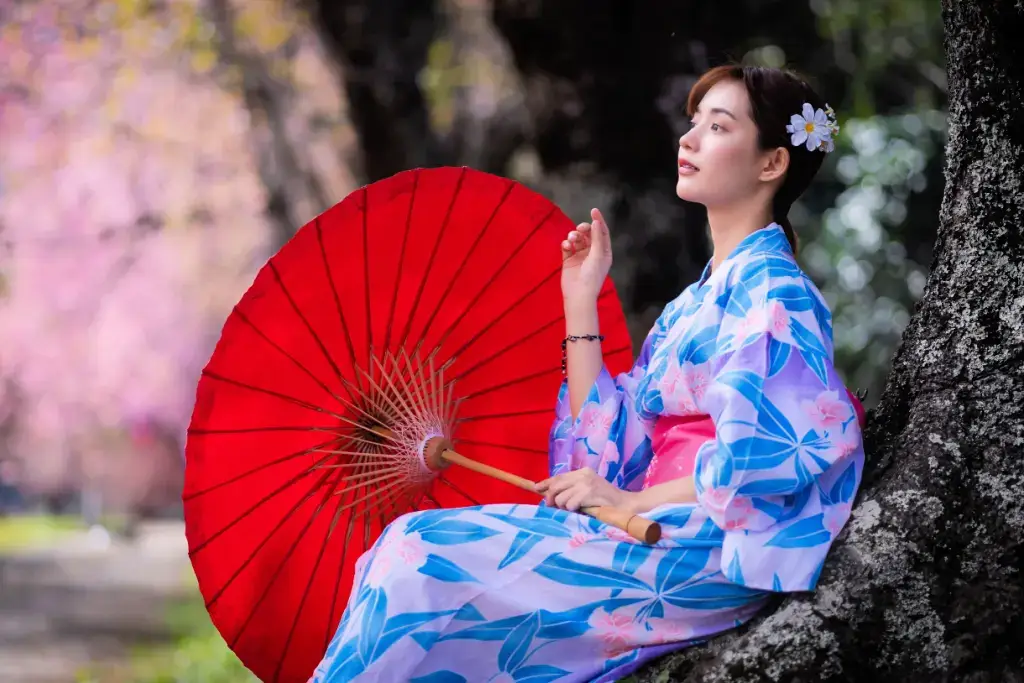
Yuketa are typically worn for:
Summer festivals (matsuri) Firework displays
Traditional street events
Hot spring resorts (onsen towns)
Cultural tourism experiences
Yukata are especially popular during the summer evenings.
Popular Yukata Designs
Yukata come in many designs, and many are inspired by seasonal and nature themes.
Common patterns include:
– Cherry blossoms (sakura)
– Waves and water
– Fireworks
– General floral patterns
– Geometric patterns common in traditional designs
For styles, colors can be light pastels or darker shades of blue, purple and red.
Cultural Significance of Yukata
Yuketa are a representation of simplicity, tradition and celebration of the seasons in Japanese culture. They express appreciation of nature and summer festivals.
For many people in Japan, yuketa bring back memories of summer nights and a sense of community and joy.
For foreigners, yuketa rental is a culturally immersive experience and a way to appreciate Japanese culture.
Modern Popularity of Yukata
Currently, yuketa are beyond a traditional garment, but a part of modern fashion. Many young people are wearing modern designs with different patterns, pastel colors and added accessories.
Many tourists are also renting yuketa in Japan especially in Kyoto and Tokyo, to take part in Japanese culture and to take photos.
Conclusion
Yuketa are a representation of Japanese summer culture. They are elegant yet simple and blend tradition and comfort for modern use. They will continue being used in celebrations and festivals across Japan.
If you appreciate Japanese culture or want to celebrate a summer festival, renting or wearing a yuketa is a fun way to appreciate traditional Japanese culture.