


Introduction The Home Information Pack (HIP) explained
Contracts to buy and sell a house need more than a financial agreement. Houses are sold and bought in an environment of documentary trust and transaction transparency. One of the tools for accomplishing this is the Home Information Pack.
The Home Information Pack (HIP) will be the focus of the guide to explain it, describe what is in it, and discuss its importance in property transactions. First time purchasers and seasoned property owners alike can benefit from this knowledge.
What is a Home Information Pack (HIP)?
A Home Information Pack is a set of documents which, collectively, establishes the details of a house which is for sale. It is designed to provide prospective purchasers with pre-decisional information.
Through the Home Information Pack, prospective purchasers do not have to independently search the multitude of documents, verging on the unmanageable, from disparate sources. This aids the buying process and leads to less frustration from the potential purchasers.
While the particulars differ from jurisdiction to jurisdiction, the rationale is the same: efficiency in the conveyancing of real estate.
What Is in a Home Information Pack?
Several essential documents can be found in a typical home information pack. These include:
Property Information Form – Basic details about the property, ownership, and boundaries
Title Deeds – Legal documents proving ownership
Energy Performance Certificate (EPC) – Energy efficiency information
Local Authority Searches – Planning permission and local development information
Fixtures and Fittings List – Appliances, furniture, and other items included in the sale
Leasehold Information (if relevant) – Lease and service charge information
Each of these documents helps the buyer clarify the property and reduces negotiation uncertainty.
Importance of the Home Information Pack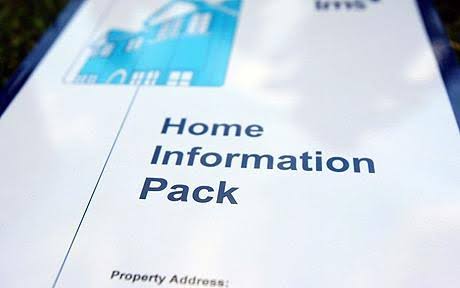
Real estate transaction transparency is improved with the home information pack. Buyers are able to make more comprehensive decisions when clear information is provided to them.
The home information pack benefits the buyer in the following ways:
1. Transparency
The buyer knows the property they are buying.
2. Quick Transactions
The buying process can be completed more rapidly because of the documents being prepared.
3. Fewer Surprises
Details like legal and structural issues are disclosed.
4. Confident Buyer
The more information a buyer has, the more likely they are to complete the purchase.
Benefits to the Seller
The home information pack was designed to benefit the buyer, but it also benefits the seller. Preparing the documentation means the seller will also avoid delays when a buyer has shown interest.
It strengthens the seller’s position in more competitive markets. Offering a home-information pack makes the seller look organized and creates trust and reliability with the potential buyers. It may even expedite the home selling process because of less communication back and forth.
Transparency’s Role in Property Sales
One of the pillars in selling real estate is transparency. Buyers do not want to be in the dark about important information. This may even cause a buyer to cancel the offer. The home information pack is one of the solutions to this problem. By making documentation and information succinct, the home information-pack reduces ambiguity. This makes the real estate transaction and the market as a whole more efficient.
Limitations/Challenges
The home information pack is useful, but it is not perfect. Sometimes they are optional, which means that not all sellers will have one. There also may be costs to the seller in preparing a pack, especially if surveys or certifications are done. Pack maintenance is important, but it may be inconvenient. In spite of that, it is considered one of the best solutions to facilitate real estate transactions.
Home Information Pack Usage Today
Most home information-packs are used digitally now. Because of this, information and documentation are more easily accessible now to potential buyers, sellers, and agents.
Digital formats eliminate much of the paperwork and improve the communication of everyone involved in the sale. The continued development of technology will make the packs both more efficient and easier for the user.
Conclusion
The home information pack is vital to contemporary property transactions. Its compilation of necessary documents helps to improve transparency and facilitates the buyer and seller’s decision-making.
The Home Information Pack: A Complete Guide allows us to see the benefits of the pack in the buying process, especially the way it minimizes uncertainty in the property market, and the buying and selling process.
A home information pack prepared to a high standard will, without question, help to build confidence in the process and the market, and it will minimize the time taken for all parties to achieve their property transaction.