
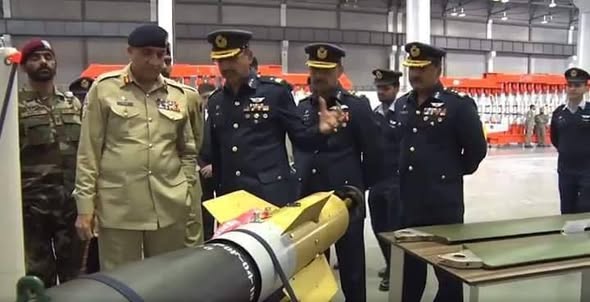

Introduction to Air Weapon Complex
The air weapon complex is a great example of the engineering and strategic thinking that goes into systems and devices that are essential for defense modern. The air weapon complex is an integrated system of technologies and tactical capabilities that combine to harness the power of the air.
- Introduction to Air Weapon Complex
- The Progress of Air Systems of War
- The air weapons complex consists of several integrated systems. These include:
- These elements integrate detection and action and form the air weapons complex.
- Adaptability in Contemporary Combat
- Collaboration and Network-Centric Operations
- Conclusion
The air weapon complex illustrates an important reality of modern defense systems. It shows that contemporary protection is no longer just about physical power. It is about the intelligent coordination of systems that can be adjusted at a moments notice.
What is the Air Weapon Complex?
The term air weapon complex describes the systems and technologies that are networked to design and control systems of air offense and air defense. It describes the integrated systems of aircraft, drones, missiles, radars, communications, and commands.
Although these systems may look like they are acting alone, in reality they are functioning as a coordinated complex.
The air weapon complex is a modern version of the “brain and body” of air power.
The Progress of Air Systems of War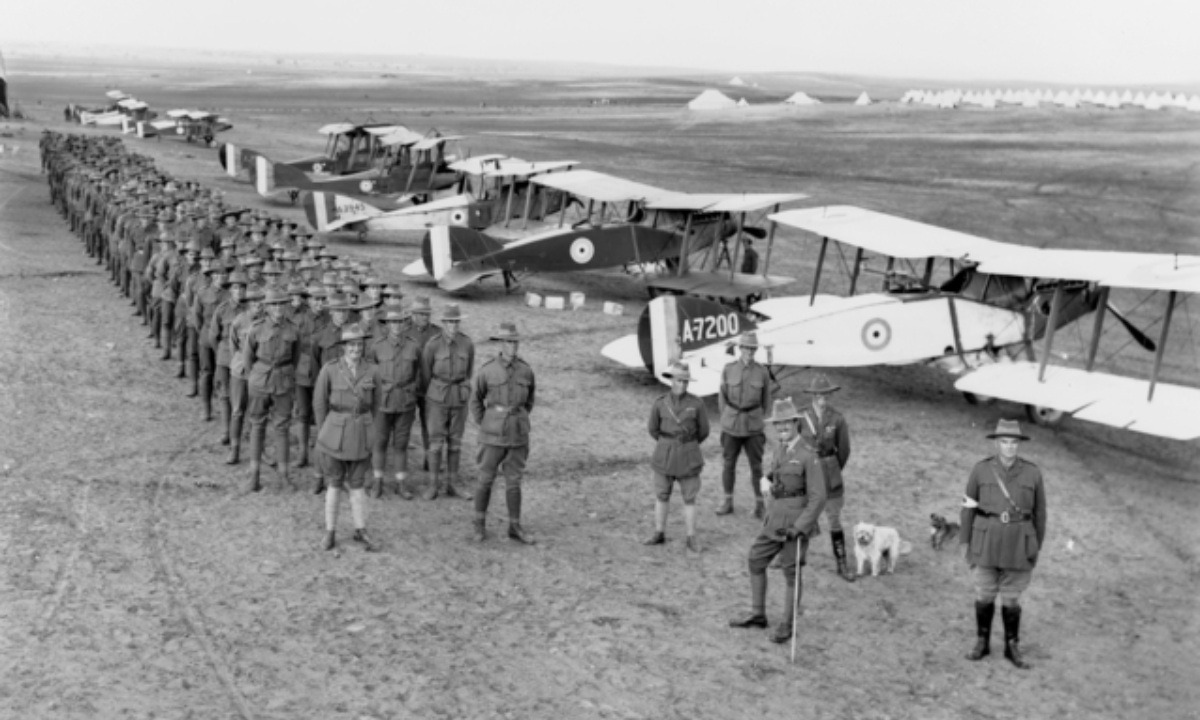
Air defense systems of today are a vast improvement over systems of basic radar and early fighter aircraft. The air weapon complex shows that the defense of air space systems are as advanced as systems that have speed and accuracy combined with high technology.
Previously, air power primarily dealt with the performance and the firepower of aircraft. Contemporary air power integrates sophisticated digital technologies that deal with massive data streams in real time. Consequently, aerial operations became networked activities as opposed to standalone operations.
Modern systems increasingly depend on automation, satellites, and real-time communications. This makes the air weapon complex significantly more sophisticated than traditional air combat.
The air weapons complex consists of several integrated systems. These include:
First, there are aerial platforms (e.g. aircraft, UAVs). These are the operational systems that conduct missions.
Second, there are weapons systems (e.g. missiles, precision-guided munitions, and countermeasure systems). These systems are designed to be precise and flexible.
Third, there are detection and surveillance systems (e.g. radar and tracking satellites). These provide awareness of the operational environment and continually scan for danger.
Finally, there are command and control centers that serve as the decision-making systems. These systems integrate and process data and execute commands to the system.
These elements integrate detection and action and form the air weapons complex.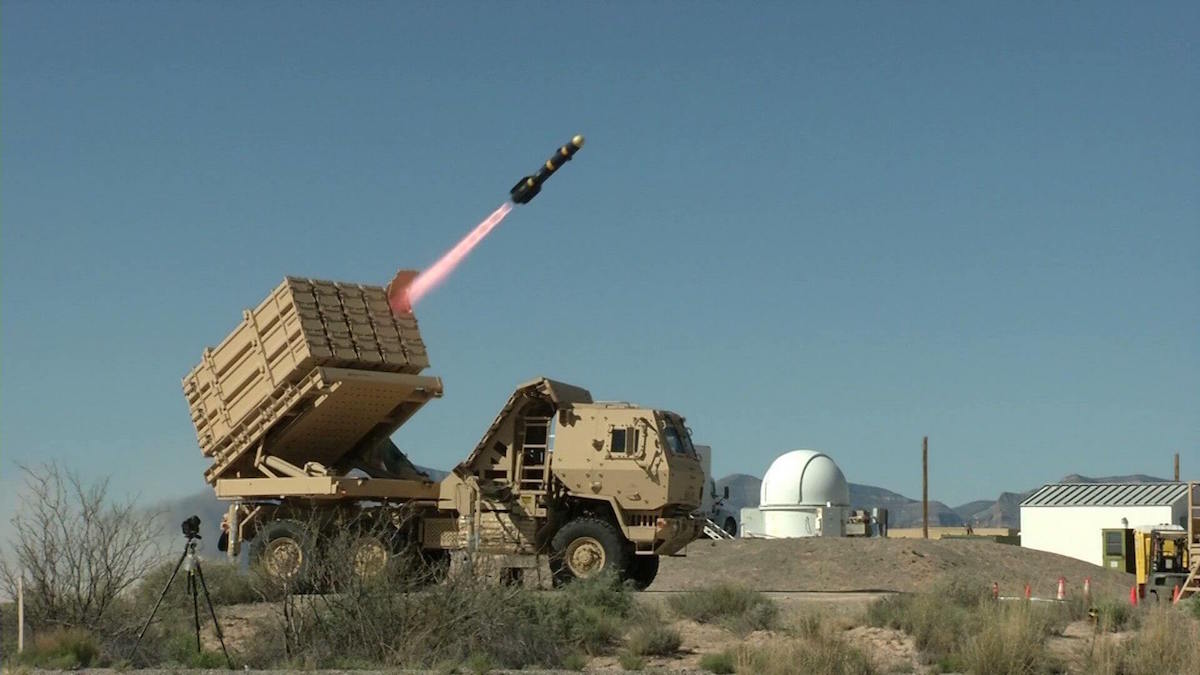
Technology is the foundation of the air weapon complex. The advance of computing, sensors, and communications has made modern air operations possible.
The incorporation of Artificial Intelligence and Machine Learning on the air weapon systems assist with the automation of functions along the spectrum of tactical operations and with the processing of data, thereby improving the speed of response as well as mission success rates.
The need for extremely rapid data transport guarantees that aircraft, satellites, and ground stations communicate and collaborate in an instant. This rapid integration of individual systems is what provides the supporting elements with a cohesive tactical capability.
The air weapon complex, therefore, is a fully functioning digital network.
Adaptability in Contemporary Combat
The air weapon complex system is vital for a number of contemporary national and global security systems. It enables defense forces to dominate and monitor extensive portions of airspace, counter developing threats, and secure and control critical and space.
It’s value lies in its flexibility. Whether surveillance, defensive interception, or offensive, precision engagement, the air weapon complex can adapt to a myriad of requirements.
This flexibility illustrates the importance of the air weapon complex within national defense systems.
Collaboration and Network-Centric Operations
A prime component of the air weapon complex is its focus on network-centric operations. This system can no longer be viewed in isolation. All systems are interlinked.
This encompasses air, land, and sea systems and facilitates the rapid exchange of information, and the subsequent elimination of lag.
Within contemporary defense systems, the air weapon complex is as vital as the ability to generate fire.
The air weapon complex is designed to counter the complexity of modern warfare, and the main threats within it. Stuxnet, and similar threats will play an ongoing role.
The next generation of the air weapon complex may increase design integration, especially regarding the use of autonomous systems in aerial operations.
Conclusion
The air weapon complex is the point of merger between engineering, intelligence, and strategy. This system is engineered for not only the power but the precision and the coordination.
With the combination of the highest of technologies merged with the highest of tactics, it has reshaped the framework of modern air operations and air defenses. In the air weapon complex, the modern military system has a centerpiece.
From the perspective of modern warfare, it is not only systems that are able to project power from the air. It is systems that are able to integrate all elements that are in the air, on the surface, and in the virtual space.