
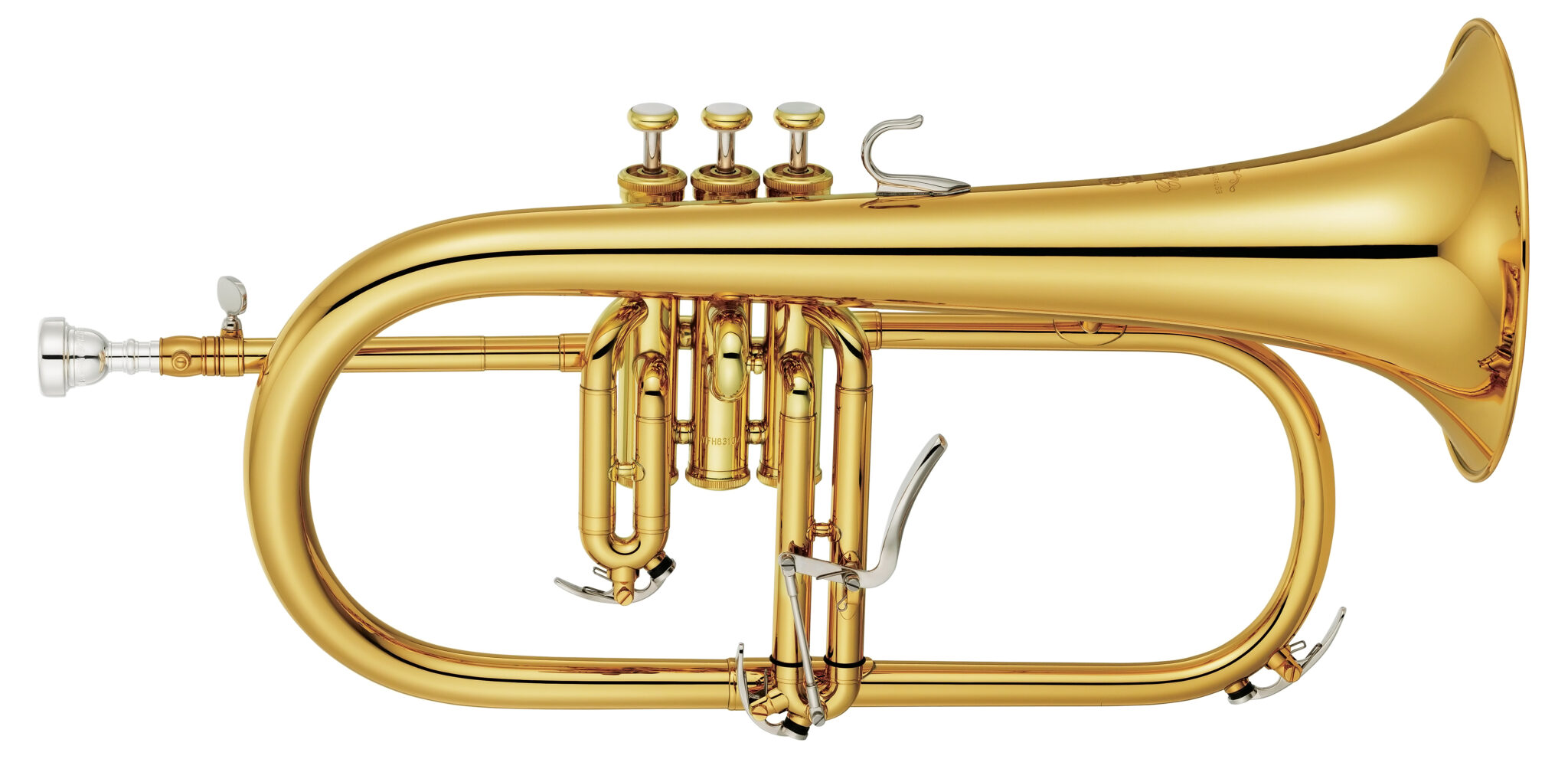

Exploring the Allure of the Flugelhorn
The warm, smooth tones produced by the flugelhorn, a member of the brass family, tend to surprise and delight the audience. This instrument, which combines elements of the cornet and the trumpet, has a distinctive voice that is ideal for many types of musical ensembles, including brass bands, orchestras, and jazz groups. The flugel horn combines the ability to play advanced, seamless legato phrasing and expressiveness. This instrument is versatile and has the ability to play both fast, cheerful, and syncopated jazz, as well as, soft and melancholic jazz.
The flugel horn has a special presence and appeal both to the audience and to the performer. Since the flugelhorn has a softer and rounder tone, the attack and sound is not as harsh and piercing, as that of the trumpet. For this reason, the flugel horn is great for both emotional and deep solos as well as for playing in a group.
The Flugelhorn Family Tree
The flugelhorn instrument family has an interesting and rich history that can be traced back to Europe. The first flugel horn were created in Germany, in the 18th century, and were descendants of the military signaling and fanfare instruments called the flügel horn. The word “flugel horn ” is actually derived from the German word “Flügel” which means “wing,” and is a reference to the instrument’s position in the side of military bands.
By the 19th century, civilian bands began using the flugelhorn. We can see the mellow tone of the flugel horn being a result of the instrument’s wide and conical bore, as compared to that of the trumpet. Its ability to provide a lyrical and mellower counterbalance to the other brighter brass instruments began to endear this instrument to composers and conductors of concert bands and later orchestral and jazz arrangements.
Anatomy and Design
Distinctive design helps separates the flugel horn from similar instruments. Unlike the cornet and trumpet, it has a conical bore, a large bell, and three valves. Upper airflow creates a softer, warmer tone. Thus, the flugel horn is ideal for expressive playing and melodies.
Standard flugelhorns use valves. However, some older or specialty flugel horn use piston or rotary valves. These valves can be interchanged based on the preferences of the performer or the music. Unlike other brass instruments, the flugelhorn’s small size and light weight makes it easy to use, even for novice players.
Sound and Musical Applications
Rich, dark, and smooth describes the flugelhorn sound. It has the power of a trumpet but the subtlety and sweetness of a cornet. Because flugel horn is the ideal instrument to express mid and low range emotions, it is frequently the featured instrument for softer, emotive jazz pieces.
Many classical and brass bands choose the flugel horn for its versatility. Because of the tonality, the flugelhorn can play many different musical roles. It can even be featured in an orchestral setting to add a color to the otherwise full sound and harmonies. Most musicians choose the flugel horn when they want a rich sound with more expression without the sharp quality of a trumpet.
Notable Flugelhorn Players
Usage of the flugelhorn has expanded to a number of projects and collaborations around the world. Many musicians from different genres can be identified as skilled flugel horn players. Some of the most noted flugelhorn players are Chuck Mangione and Art Farmer. Mangione and Farmer are credited with playing flugel horn with a lyrical and soulfully sonorous expression. Playing flugel horn in classical and brass band genres has shown how versatile the flugelhorn can be.
The Flugelhorn in a Nutshell
The transition to a brass instrument like the flugel horn can be a positive and fruitful experience. The flugel horn is seen to have a more coaxial expression of tone compared with the trumpet, which is helpful to novice players. The flugelhorn can easily be tamed merely with an understanding of breath, support, and embouchure, with the dynamic range also having an effect. These can be drawn to a more melodic and less intrusive expression.
Take Care of Your Flugelhorn
The flugelhorn is a brass instrument and, like the trumpet, the maintenance needed to preserve them is critical. Regular care to the flugel horn is ear maintenance, cleaning, and oiling the valves. Actually playing the flugel horn, as with any brass instrument, requires the flugelhorn to be warmed up first and can help develop the flugel horn player’s embouchure.
Conclusion
Much more than just another brass instrument, the flugelhorn binds history, design, and musical expression together. With a favored warm, lyric tone, flugel horn are often used in brass bands, orchestras, and jazz ensembles. From European military traditions to contemporary music, the modern flugel horn has captivated audiences and musicians across the world. This versatile instrument is a musical monument to the power of expression in brass, whether utilized for solo, or group, performances.